AI Executive Summary
"This article analyzes the strategic pivot from thermal-mediated energy and chemical-based agriculture toward direct energy application via fusion and plasma. It highlights the convergence of high-energy physics and biotechnology to enhance operational efficiency and mitigate systemic health risks."
Direct Energy Application
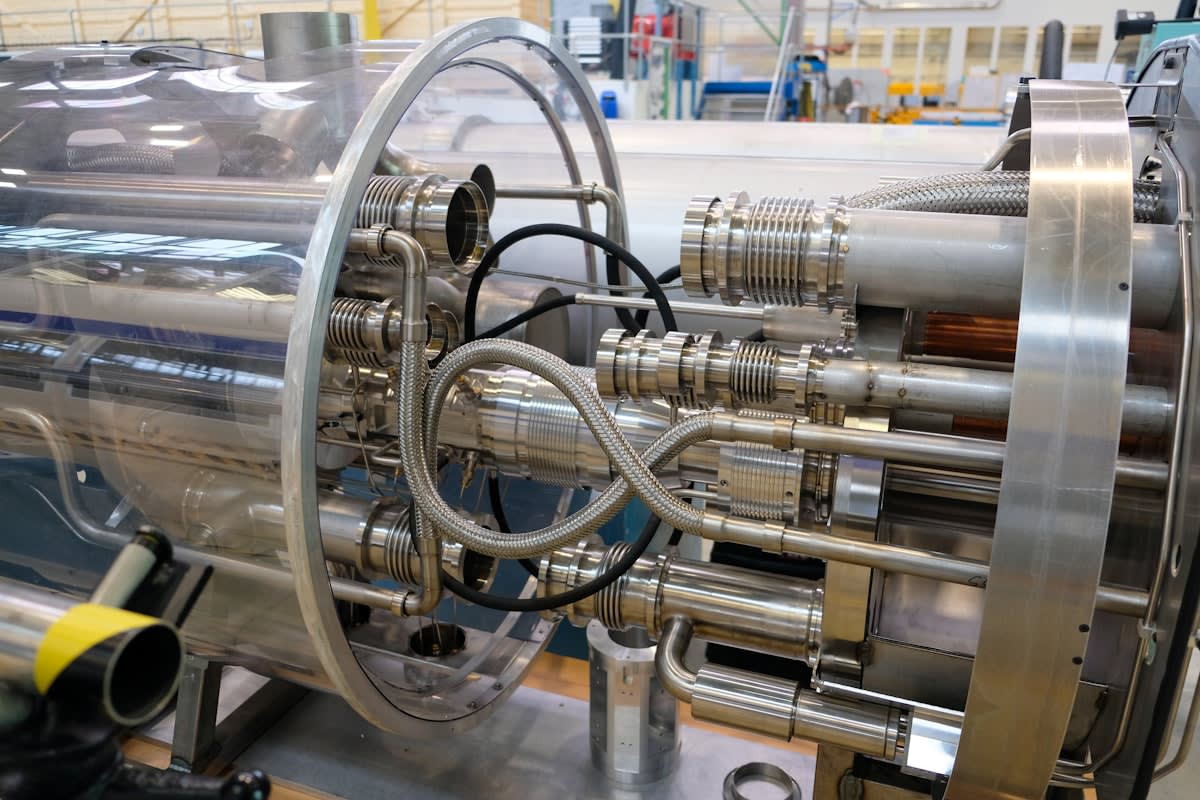
Realta Fusion bypassed the thermal stage this week. This achievement converts fusion energy directly into electric current, eliminating the inefficient heat-to-power lag.
China's CRAFT project just passed final tests on its superconducting magnets. These components, specifically the toroidal-field magnet and central solenoid, provide the magnetic cage necessary for plasma confinement in Hefei. While US startups chase the electric flywheel effect, Chinese engineers are securing the physical cage for the BEST reactor, scheduled for 2027.
The Direct Current Edge
Realta Fusion utilizes an electric flywheel mechanism where a portion of the generated current is redirected to heat the reactor plasma, maximizing net energy output.
Energy efficiency is no longer a theoretical goal. It is now a matter of bypassing the boiler.
Biological Plasma Scaling
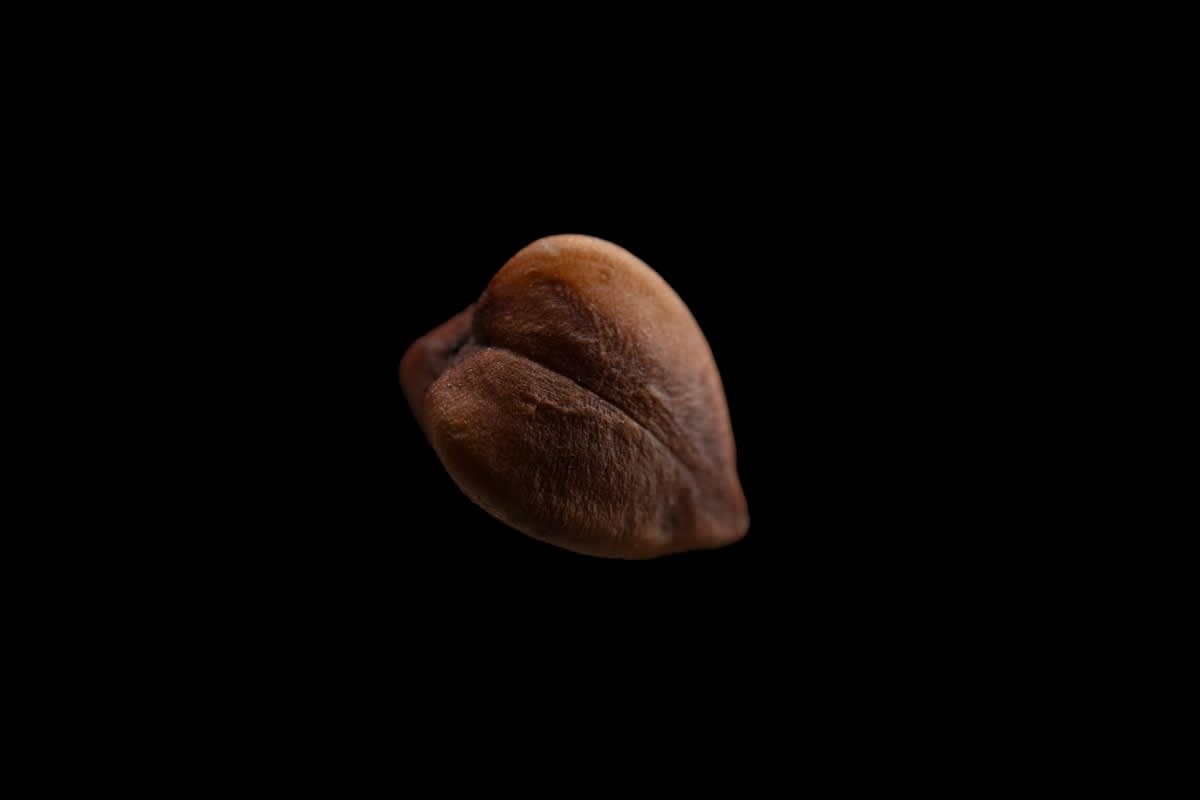
Sylvarum has scaled non-thermal plasma for broadacre seed treatment. Its reactor improves hydrophilicity, allowing seeds to absorb water faster and germinate quicker.
- Control of seed-borne pathogens
- Enhanced water absorption via hydrophilicity
- Hormonal triggering for accelerated germination
Agricultural inputs are moving toward high-energy physics. This transition reduces reliance on chemical coatings that degrade soil health.
| Metric | Current Value | 2035 Projection | Growth (CAGR) |
|---|---|---|---|
| Global Agriculture Films Market | USD 13.96 Billion | USD 29.30 Billion | 7.69% |
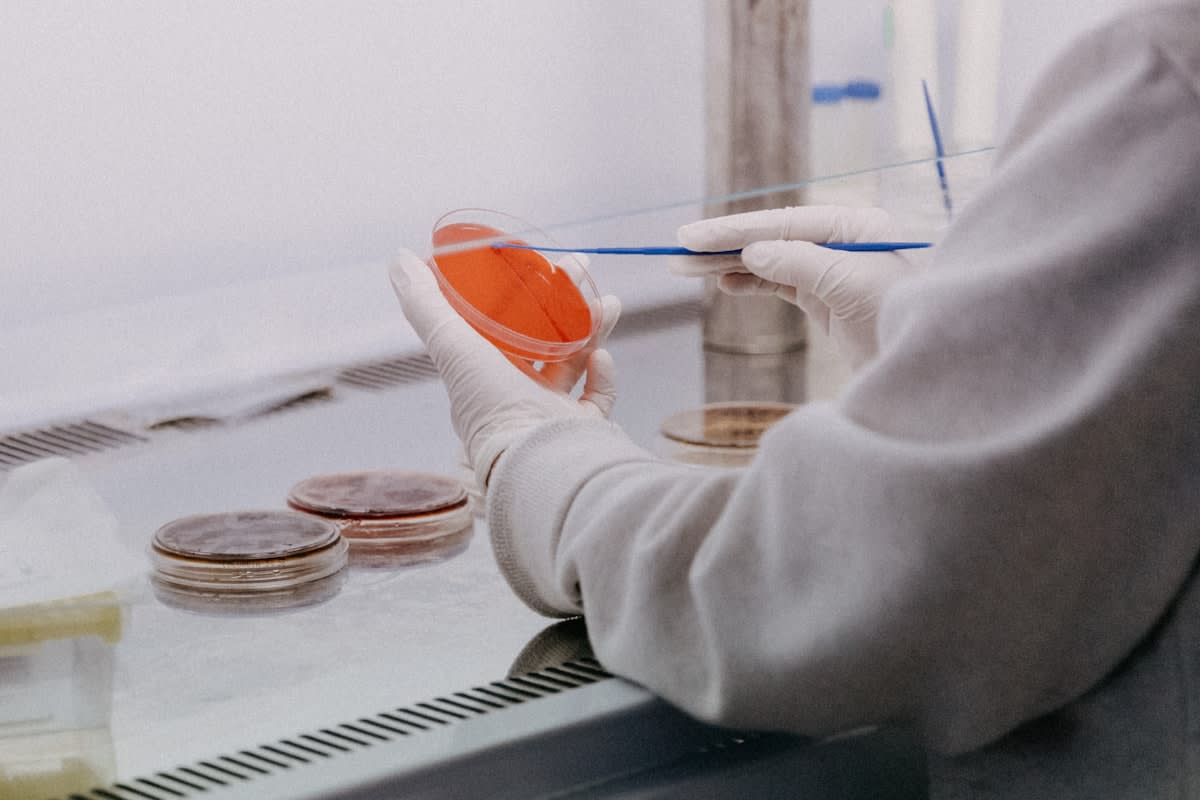
Market demand for biodegradable films in Asia is accelerating. Such demand coincides with the arrival of plasma-treated seeds that require fewer chemical additives.
The Chemical Penalty
Preservative consumption is now linked to cardiovascular failure. Research involving 112,000 adults in the European Heart Journal shows non-antioxidant additives increase hypertension risk by 29%.
"High consumption of non-antioxidant preservatives, such as sodium nitrite and sorbates... was associated with a 29% higher risk of hypertension and a 16% higher risk of cardiovascular disease."— European Heart Journal Study
Sodium nitrite and sorbates drive these risks. This data creates a vacuum that plasma-based, non-chemical seed and food treatments are positioned to fill.