
AI Executive Summary
"This article analyzes the primacy of physical infrastructure over software in maintaining pharmaceutical cold chains during extreme thermal events. It highlights strategic investments in CDMO capacity and hub certification as essential for global health security."
Prerequisites for Cold Chain Hardening
Heat kills. When the mercury pushes heat index values to 115F in the eastern US, your cooling systems are the only thing preventing total product loss. This is not a software problem. It is a physics problem.
- IATA CEIV Pharma certification for hub validation
- Purpose-built sterile fill-finish capacity (e.g., cartridge filling)
- Cold-storage hardware modifications for autonomous mobile robots
- Demand-forecasting AI for low-data environments
The Hardware Truth
Forget the digital twin. If the compressor fails in a 105F heatwave, the data doesn't matter.
The Hardened Implementation Workflow
- Secure sterile manufacturing. Partner with specialized firms like Shantha Biologics to handle cartridge fill-finish services for biologics, as seen in their June 30, 2026, agreement with Novo Nordisk.
- Certify the transit hub. Validate the site through IATA CEIV Pharma standards to ensure international handling levels, a move GEODIS completed for its Hyderabad site on July 2, 2026.
- Modify the robotics. Install cold-storage mods on platforms like Locus Origin to expand chilled SKU capacity, mirroring the HelloFresh rollout that jumped from 100 to 500 SKUs.
- Solve for the last mile. Deploy low-cost AI decision-support systems to forecast demand and allocate medicines in regions with missing data, such as the Wharton-led initiative in Sierra Leone.
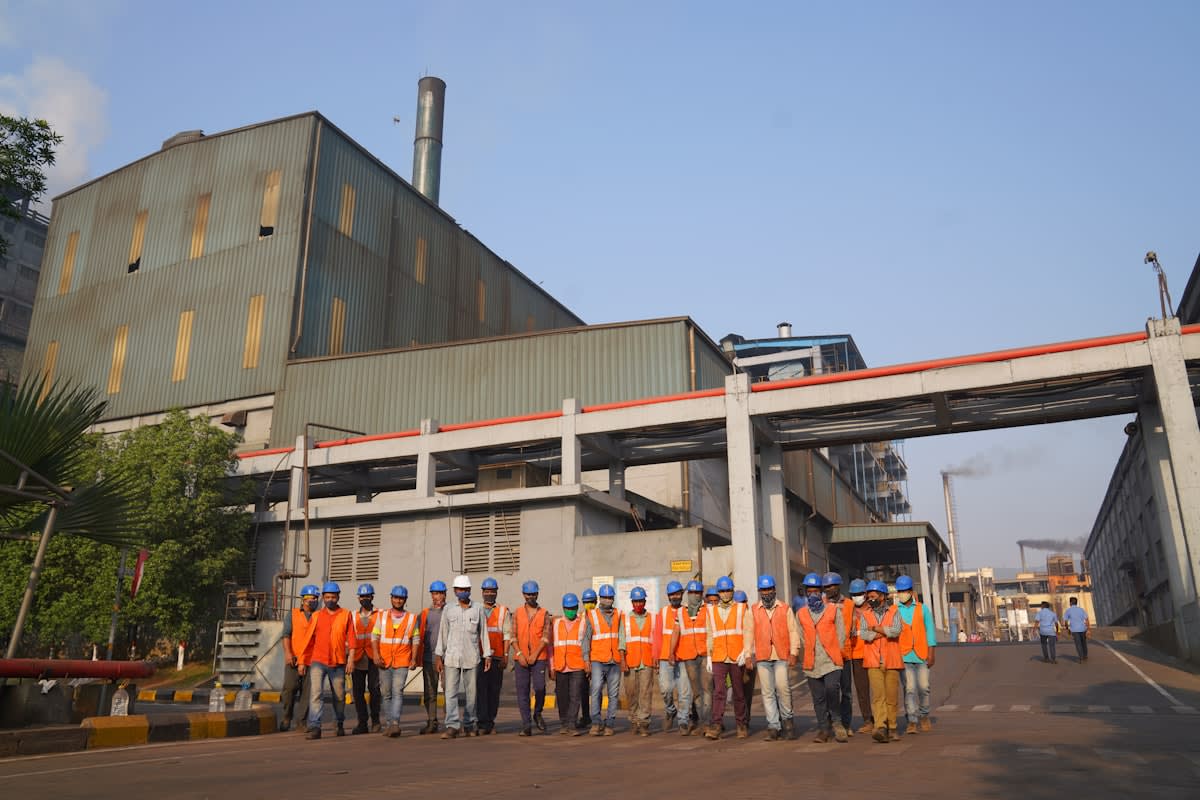
Hyderabad dominates the life sciences landscape. GEODIS recently solidified this by certifying its site to manage high-stakes pharmaceutical shipments. Such certifications are the baseline for entry, not the goal.
Managing Thermal Loads and SKU Density
Hardware matters. Locus Robotics proved this by modifying their bots for HelloFresh. These changes allowed a fivefold increase in chilled fulfillment capacity.
| Metric | Baseline | Hardened State |
|---|---|---|
| Chilled SKU Capacity | 100 SKUs | 500 SKUs |
| US Heat Index (Max) | Standard | 115F (July 2026) |
| Hub Status | Standard Logistics | IATA CEIV Pharma Certified |
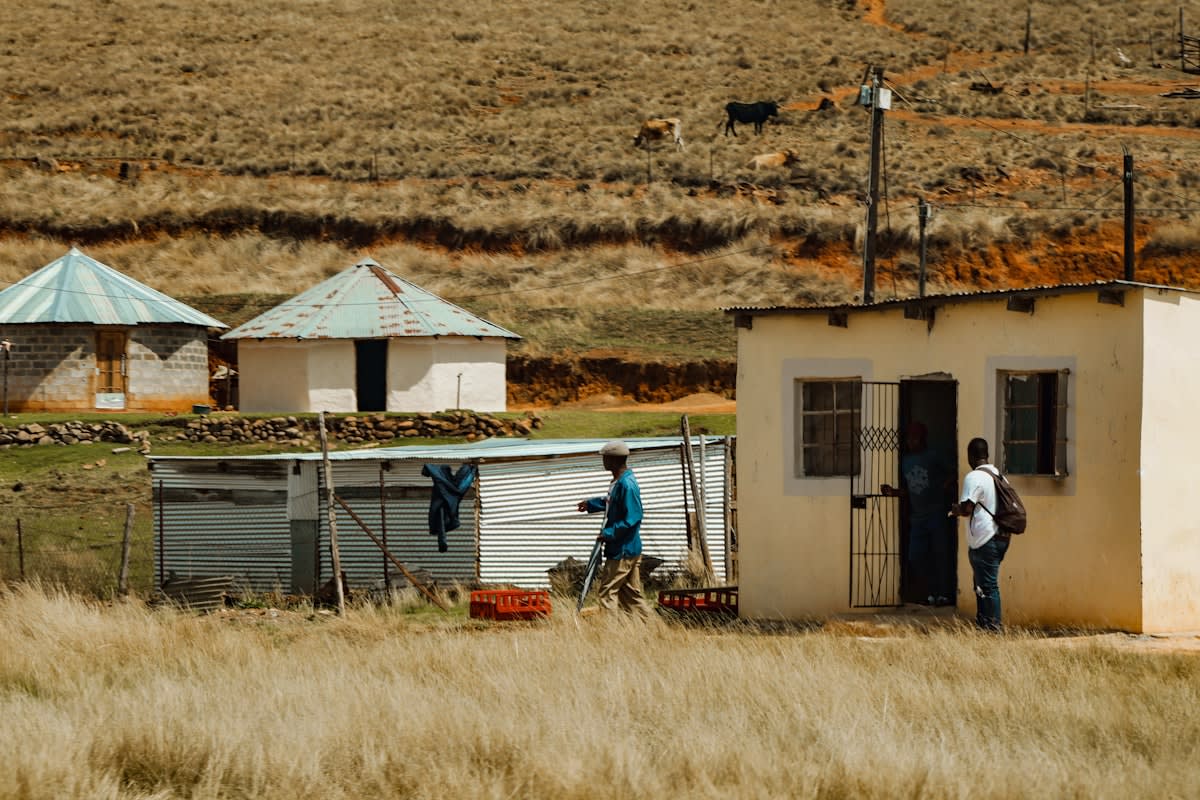
Logistics in Sierra Leone is a different beast. Researchers from Wharton and Penn Engineering are fighting a maternal mortality rate of 717 deaths per 100,000 live births. Their tool fixes the mismatch between medicine availability and actual location.
Common Pitfalls
Overestimating software is a fatal error. Field-tested reality shows that AI can forecast demand, but it cannot cool a pallet. Operational friction in the last mile often outweighs any algorithmic optimization.
- Ignoring the heat index: Planning for 95F when the reality is 115F
- Software reliance: Assuming AI solves the physical absence of medicine
- Scaling without mods: Trying to increase SKU variety without hardware upgrades
"Hyderabad is one of the world's most important pharmaceutical manufacturing and export hubs, making it a strategic location for our healthcare logistics network."— Chris Cahill, Managing Director, GEODIS