AI Executive Summary
"This article provides a strategic blueprint for transitioning from passive health monitoring to active clinical intervention. It bridges the gap between consumer wearables and professional medicine, highlighting the role of AI triage and the future of molecular precision."
The Dashboard Trap: Why Data is Not Care
The modern health consumer is drowning in data but starving for insight. We have entered an era where smart rings, performance vests, and screen-free trackers provide a constant stream of heart rate variability, sleep stages, and skin temperature. Yet, for the vast majority, this information remains a curiosity—a digital mirror that reflects the current state without offering a map for improvement. The gap between seeing a dip in recovery and knowing exactly which clinical or behavioral lever to pull is where most health journeys stall. To move beyond the dashboard, one must stop treating wearables as a scoreboard and start treating them as a diagnostic trigger.
Consider the approach taken by elite athletes at the World Cup. They do not simply glance at a WHOOP strap or an Oura Ring to see if they slept poorly; they use these data points to follow specific trends that signal when recovery is suffering. As noted by experts like Mullner, this allows for immediate intervention to change behaviors and get back on track before a performance dip becomes an injury. This is the fundamental shift required for clinical action: moving from the observation of a metric to the execution of a pre-defined protocol based on that metric's deviation from a baseline.
Prerequisites for Clinical Integration
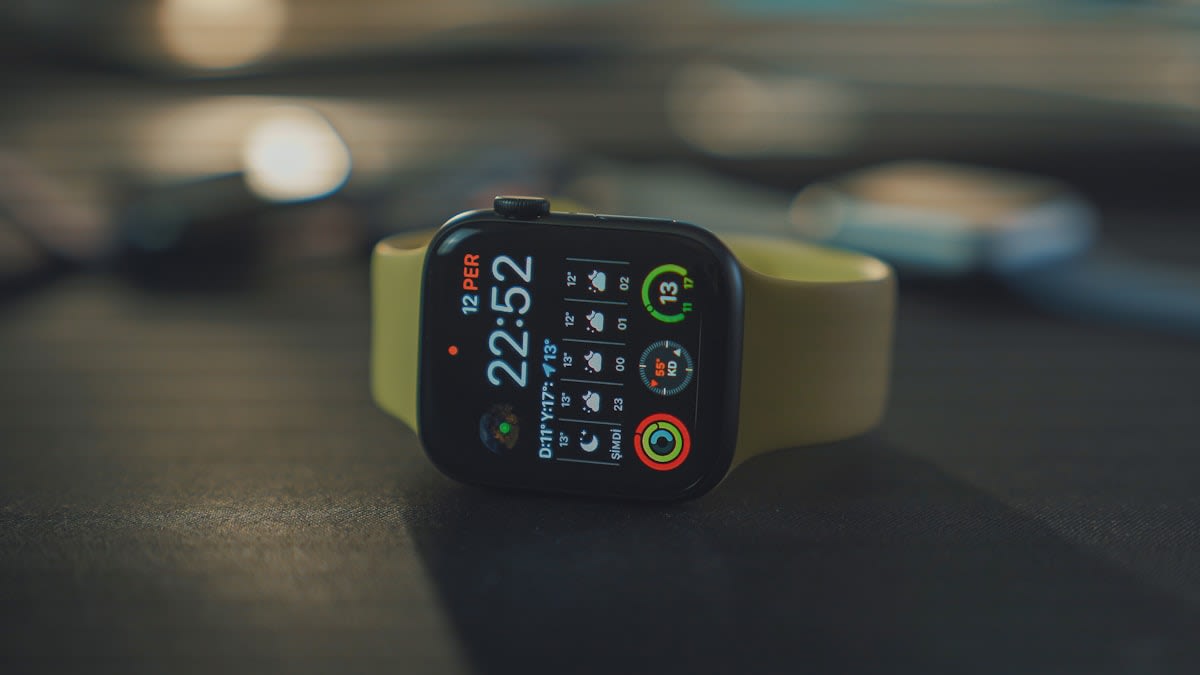
Before attempting to turn data into action, you must establish a high-fidelity hardware and software stack. The market has bifurcated into low-friction entry points and high-subscription elite tools. For those seeking a lean entry, devices like the Fitbit Air offer a screen-free experience at a $100 price point, removing the distraction of notifications while maintaining core health tracking. Conversely, those requiring deeper recovery analytics often opt for the Oura Ring or Whoop band, which typically range from $200 to $400. The choice of hardware is less important than the consistency of the data stream; a clinical action is only as good as the longitudinal data supporting it.
- A consistent biometric capture device (e.g., Fitbit Air, Oura, or WHOOP).
- An analytical layer for trend interpretation (e.g., Google Health Premium AI coach).
- A defined clinical pathway or triage system (e.g., NHS-style AI triage or a primary care physician).
- A baseline period of 14 to 30 days of uninterrupted data collection.
Beyond hardware, the software layer is where the synthesis happens. The introduction of AI health coaches, such as the $100-a-year Google Health Premium upgrade, represents a move toward automated data analysis. These tools are designed to teach users about smarter training and recovery by identifying patterns that a human might miss in a raw spreadsheet. However, the ultimate goal is to integrate this with systemic health services, mirroring the NHS's move toward using AI triage tools to direct patients to the most appropriate service—be it a GP, pharmacy, or A&E—based on a series of targeted questions and data inputs.
The Operational Framework: 5 Steps to Clinical Action
- Establish a Longitudinal Baseline: Record 30 days of data to define your personal 'normal'.
- Identify the Deviation Trigger: Set specific thresholds for metrics like HRV or sleep quality that signal a systemic shift.
- Apply AI-Driven Triage: Use analytical tools to determine if the deviation is behavioral or clinical.
- Execute Clinical Escalation: Move from self-care to professional intervention based on the triage output.
- Close the Feedback Loop: Adjust the baseline and triggers based on the clinical outcome.
Step one is the most overlooked: the establishment of a baseline. A heart rate of 60 bpm may be athletic for one person and bradycardic for another. Without a 30-day window of data, any single reading is a snapshot, not a trend. By establishing a personal 'normal,' you create a benchmark against which all future deviations are measured. This is how World Cup athletes utilize sweat patches and performance vests; they aren't looking for a universal number, but for a deviation from their own peak performance state.
Once the baseline is set, you must define your deviation triggers. This means deciding, in advance, what a 'bad' metric looks like. For instance, if your resting heart rate rises by 10% over three consecutive days while your sleep quality drops, this is no longer a 'bad night'—it is a trigger. This systematic approach removes the emotional guesswork from health management. Instead of wondering if you feel tired, you are responding to a data-driven signal that your recovery is compromised.

The third step involves AI-driven triage. This is where the NHS's new strategy becomes a blueprint for the individual. By using AI to ask a series of clarifying questions and analyzing the biometric data, the system can determine if a deviation requires a simple change in behavior—like more sleep or hydration—or a clinical appointment. The goal is to ensure the patient reaches the best service for their needs the first time. For the individual, this means using AI coaches to filter out the noise before escalating to a human doctor.
Clinical escalation is the critical bridge. When the AI triage or the trend analysis indicates a persistent issue, the data must be presented to a clinician not as a list of numbers, but as a trend report. Instead of telling a doctor 'I feel tired,' the patient presents a report showing a 15% decline in HRV over two weeks coinciding with a rise in body temperature. This transforms the clinical encounter from a subjective conversation into a data-driven diagnostic session, significantly accelerating the path to treatment.
Finally, you must close the feedback loop. Once a clinical intervention occurs—perhaps a change in medication or a new physical therapy regimen—the wearable data serves as the primary tool for validating the treatment's efficacy. If the metrics return to the baseline, the intervention is working. If they remain deviated, the data provides the evidence needed to pivot the clinical strategy. This iterative cycle is the essence of precision medicine.
"Patient safety and confidentiality must be at the heart of any AI triage system, with a guarantee that a health professional will be the one making decisions at key points in that process."— Sir Jim Mackey, Chief Executive of NHS England
The Horizon: From Wearables to Molecular Intervention
While we currently focus on macro-metrics like sleep and heart rate, the next frontier is the integration of wearables with molecular biology. We are seeing a convergence where AI is not just analyzing the data from a wristband, but the very proteins that drive our health. In Israel, researchers from Technion and Tel Aviv University have developed BetaDescribe, an AI system that translates protein sequences into natural-language descriptions. This ability to infer protein function could eventually allow wearables to trigger not just a doctor's visit, but a specific, AI-designed drug intervention.
This shift is already being pursued by frontier AI companies. Anthropic, for example, is moving beyond coding tools to actively develop drugs, aiming to accelerate the pace of scientific discovery and healthcare interventions. When the data from a consumer wearable can be linked to the protein-level analysis provided by tools like BetaDescribe, we will move from 'clinical action' to 'molecular precision.' The wearable will no longer just tell you that you are sick; it will help identify the specific protein malfunction and the corresponding AI-developed compound to fix it.
Common Pitfalls in Wearable Integration
The most common failure in this process is 'data obsession,' where the user reacts to every single fluctuation. Biometric data is noisy. A single night of poor sleep does not necessitate a clinical intervention; it necessitates a nap. The master practitioner ignores the snapshot and focuses on the trend. Reacting to daily volatility leads to anxiety and unnecessary medical consultations, which strains the healthcare system and creates a psychological dependency on the device.
Privacy and data exploitation present another significant risk. As we integrate more personal data into AI systems, the potential for surveillance pricing or data misuse grows. We see a precedent for this in New Jersey, which recently became the second US state to ban surveillance pricing, preventing retailers from using personal behavioral data to increase prices for essential food. In a health context, the risk is that biometric data could be used to penalize individuals via insurance premiums or employment terms. Maintaining ownership of your data and using encrypted, professional-grade platforms is non-negotiable.
Pro Tip: Data Sovereignty
Always ensure your wearable data is exported in a portable format (like CSV or JSON). Do not let your health history be locked within a proprietary ecosystem where you lack the ownership to share it with multiple clinical providers.
Ultimately, the most dangerous pitfall is the abdication of human judgment. AI triage tools and biometric dashboards are decision-support systems, not decision-makers. As emphasized by the NHS leadership, a health professional must remain the final arbiter at key points in the process. The goal of this guide is to empower the user to bring better data to the table, not to replace the clinical expertise of the physician with an algorithm.