
AI Executive Summary
"This article provides a strategic framework for transitioning from subjective health tracking to objective, longitudinal biometric analysis. It emphasizes the critical role of CNS recovery and EEG technology in preventing injury and maximizing athletic output."
The gap between amateur fitness and professional athleticism is no longer just about effort or genetics; it is about the precision of the feedback loop. For decades, training was governed by the subjective feeling of fatigue, a metric prone to psychological bias and delayed physiological signaling. Today, as seen in the deployment of tech at the World Cup, elite players are integrating commercial devices—WHOOPs, Oura Rings, and performance vests—not as novelties, but as critical infrastructure. These tools transform the body into a data source, allowing for a clinical approach to training load and recovery that minimizes the risk of injury while maximizing output.
Professionalism in biometrics requires a shift in perspective: moving from the 'snapshot' mentality to the 'trend' mentality. Most users check their sleep score in the morning and decide if they feel tired. A professional analyst, however, looks at the longitudinal trend of heart rate variability and body temperature to identify a downward trajectory before the athlete even feels the onset of fatigue. This predictive capability allows for behavioral intervention—adjusting intensity or prioritizing sleep—before a physical breakdown occurs. The goal is not to achieve a perfect score every day, but to maintain a stable baseline that supports peak performance.
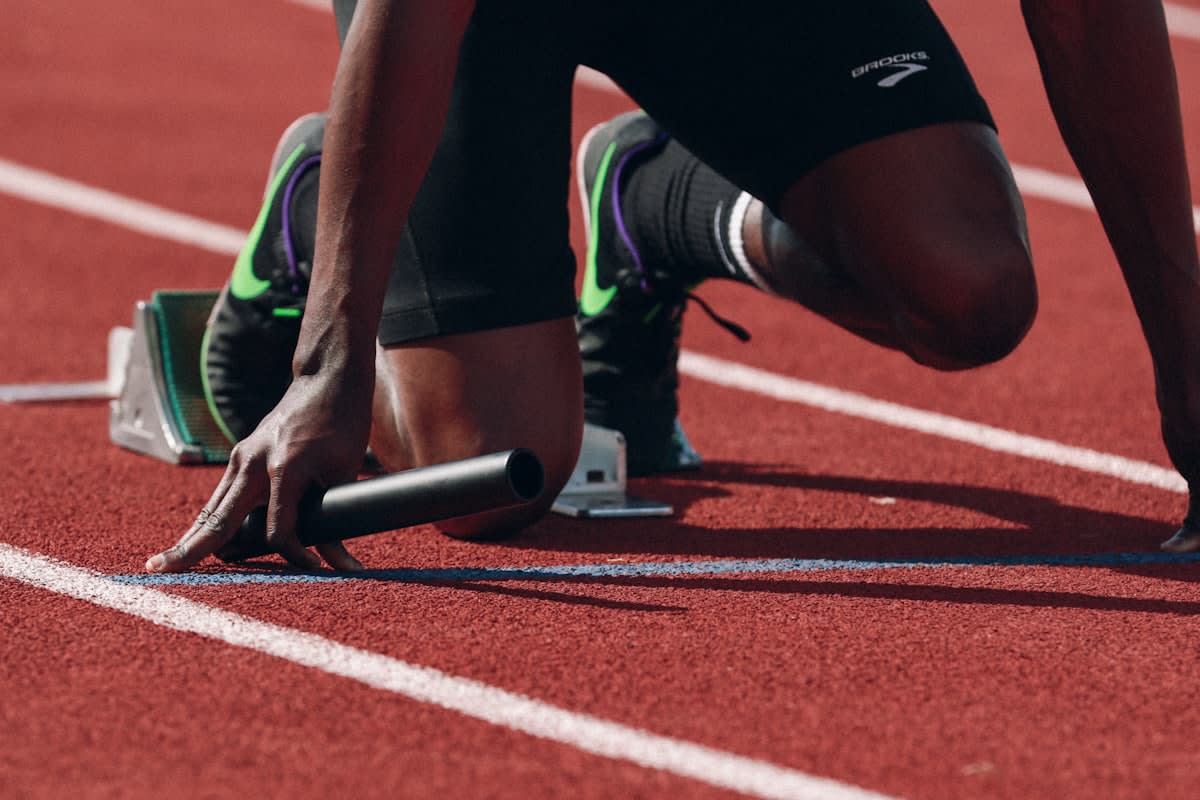
Prerequisites for Biometric Integration
To train like a professional, you must first establish a hardware stack that covers the three pillars of performance: exertion, recovery, and neurological state. Relying on a single device often creates a data blind spot. For instance, while a smart ring might track resting heart rate, it cannot capture the real-time metabolic stress of a high-intensity interval session. A comprehensive stack ensures that every physiological shift is captured, providing the multimodal context necessary for accurate decision-making.
- Recovery Trackers: Devices such as the WHOOP MG or Oura Ring for continuous heart rate and sleep monitoring.
- Activity Monitors: Performance vests or the Fitbit Air for contextualizing daily movement and workout intensity.
- Biochemical Sensors: Sweat patches to monitor electrolyte loss and metabolic markers in real-time.
- Neurological Tools: EEG-based headbands, specifically the Muse S Athena, to capture objective brain-based sleep architecture.
The Professional Biometric Protocol
- Establish a 14-Day Baseline: Wear your chosen devices (e.g., Fitbit Air or Whoop MG) consistently for two weeks without altering your training. This period is critical to define your 'normal' ranges for sleep, resting heart rate, and recovery, ensuring that future deviations are statistically significant rather than random noise.
- Monitor Longitudinal Trends: Shift your focus from daily scores to weekly averages. As noted by experts like Mullner, the value of these data points lies in following trends. If your sleep quality is suffering over a three-day period, it is a signal to intervene, even if you feel subjectively fine.
- Integrate Objective Sleep Architecture: Move beyond inferred sleep data. Use EEG technology, such as the Muse S Athena, to capture actual brain signals. This allows you to distinguish between mere stillness and actual stages of sleep, providing a more direct measurement of central nervous system recovery than heart rate alone.
- Execute Behavioral Interventions: Use the data to trigger specific changes. If the data indicates poor recovery, shift a high-intensity session to a mobility or active recovery day. The data is not a suggestion; it is a directive to change behaviors to get back on track.
The Precision Gap
The critical distinction in elite training is the move from 'inferred' data to 'objective' data. Most wearables guess sleep stages based on movement; EEG measures the brain's electrical activity directly.
The Science of Neurological Recovery
While heart rate and body temperature are useful proxies, the central nervous system (CNS) is the ultimate governor of performance. This is why the collaboration between Cumulus Neuroscience and Muse is so pivotal. By integrating the Muse S Athena EEG headband into a multimodal suite, researchers can now capture sleep architecture—the actual stages of sleep—outside of a clinical lab. This removes the burden of in-lab polysomnography while providing a level of detail that traditional wearables cannot match.
When an athlete's brain signals indicate a lack of deep sleep or disrupted REM cycles, the risk of cognitive decline and physical injury increases. Traditional wearables often infer sleep from movement or heart rate, which can be misleading if an athlete is still but not actually asleep. Objective brain-based measurement allows for a precise understanding of whether the CNS has actually recovered, enabling a more aggressive training schedule when the brain is primed and a necessary pullback when it is fatigued.
| Metric Type | Consumer Wearable (Inferred) | Professional EEG (Objective) |
|---|---|---|
| Sleep Stages | Estimated via Heart Rate/Movement | Measured via Brain Signals |
| Recovery Signal | Proxied by HRV/RHR | Direct CNS Architecture |
| Context | General Wellness | Clinical-Grade Performance |
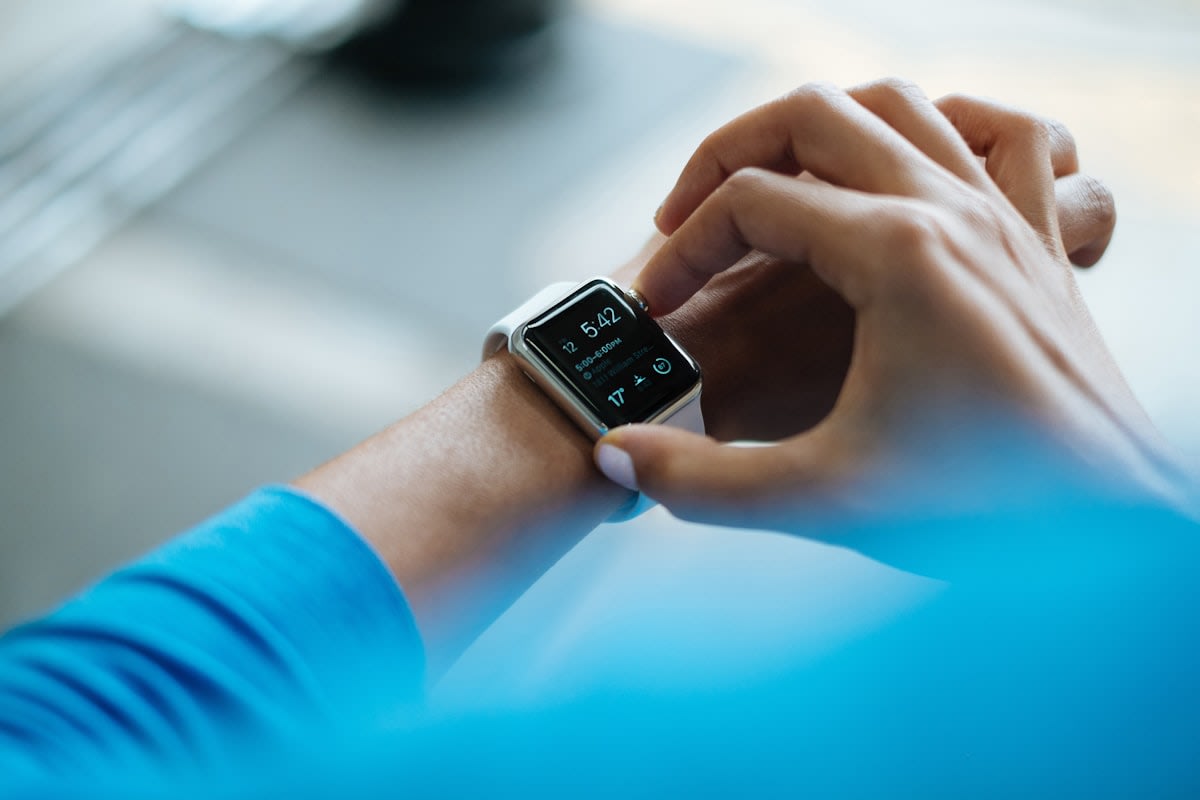
Common Pitfalls in Biometric Training
The most dangerous mistake an athlete can make is treating a biometric device as a source of absolute truth rather than a source of relative trends. Over-reliance on a single 'readiness score' can lead to psychological distress or unnecessary training avoidance. The data should be used to augment intuition, not replace it. If the data says you are recovered but your joints are screaming, the physical sensation takes precedence.
- The Snapshot Trap: Making drastic training changes based on a single night of poor sleep rather than a weekly trend.
- Ignoring the CNS: Relying solely on heart rate while ignoring neurological markers of fatigue.
- Data Hoarding: Collecting metrics without a predefined plan for behavioral intervention.
- Device Tunnel Vision: Trusting one brand's proprietary algorithm without cross-referencing with other objective data points.
Ultimately, the goal of biometric integration is sustainability. By mimicking the protocols of World Cup athletes—using a combination of sweat patches, performance vests, and EEG headbands—you move away from the gamble of 'pushing through the pain' and toward a strategic model of performance. The result is a body that is pushed to its absolute limit, but never beyond the point of systemic failure.