
AI Executive Summary
"This article analyzes the strategic transition from static training schedules to dynamic, biometric-driven interventions in elite sports. It highlights how the integration of wearable tech and precision loading maximizes athlete longevity and competitive advantage."
The era of the prescribed recovery schedule is collapsing. For decades, elite athletes followed a rigid calendar of ice baths and sleep windows based on generalized physiological norms. Now, a systemic shift is occurring where the individual biomarker dictates the training load. This transition is most visible at the highest levels of competition, such as the World Cup, where athletes are no longer just wearing trackers for curiosity but are utilizing sweat patches, WHOOP straps, and Oura Rings to map their internal state in real-time. The goal is no longer to follow a plan, but to intervene the moment the data indicates a deviation from the athlete's baseline.
This shift represents a critical delta in sports science. Twelve months ago, the primary goal of wearable tech was retrospective analysis—looking at how an athlete slept after a game. Today, the focus has pivoted to proactive intervention. According to insights from Mullner, these data points allow staff to identify exactly when sleep is suffering or when recovery is lagging, enabling immediate behavioral changes to get the athlete back on track. This is not about general wellness; it is about the clinical precision of maintaining a peak performance state by treating the human body as a variable system that requires constant calibration.
The Mechanics of Biometric-First Intervention
The integration of biometric data is fundamentally changing how training loads are calculated. We are seeing a move away from 'maximum effort' toward 'optimal load.' A recent meta-analysis published in Nature highlights this precision. The study focused on plyometric training, specifically comparing externally loaded versus unloaded movements to optimize jump and sprint performance. The findings provide a blueprint for this new precision: medium-load plyometric training, defined as 5% to 15% of an athlete's body weight, is the most effective for improving vertical jump performance. This specific range replaces the traditional 'more is better' mentality with a mathematically defined window of efficacy.
When you combine this load specificity with real-time biometrics, the result is a training loop that is almost entirely autonomous. If an athlete's Oura ring indicates a low recovery score and their sweat patch shows electrolyte depletion, the 5-15% medium-load plyometric session is either scaled back or replaced entirely. This eliminates the risk of overtraining and injury that comes from adhering to a static training plan. The athlete is no longer fighting their body to meet a schedule; the schedule is bending to the body's current physiological capacity.
The Core Pivot
The shift is from retrospective reporting (what happened) to predictive intervention (what needs to change now).
This precision is not limited to physical exertion. The rise of gamified and virtual sports demonstrates a broader appetite for tech-integrated performance. In Southeast Asia, virtual taekwondo has surged, with athletes like Nguyen Thanh Hien Linh transitioning from national championships to gold medals in virtual arenas. This transition requires a complete overhaul of strategy and skill, proving that the modern athlete must be as proficient with the technology of their sport as they are with the physical requirements. The ability to adapt to digital interfaces and data-driven environments is becoming a core competency of the elite performer.
The Eastern European Driver: A Culture of Systemic Upgrade
Why is this trend accelerating in Eastern Europe? The answer lies in a broader regional obsession with systemic modernization and resilience. Looking at the geopolitical landscape, nations like Poland are demonstrating a willingness to invest aggressively in modernization to meet external threats, with Poland spending 4.48% of its GDP on defense—a share higher than that of the United States. This institutional mindset of 'upping their game' to meet the most rigorous standards is bleeding into their sports academies. There is a cultural drive to leapfrog traditional Western methodologies by adopting the most aggressive, data-centric versions of performance science.
Eastern European academies are treating athlete development with the same strategic urgency as national security. By abandoning traditional recovery—which was often based on anecdotal evidence or outdated Soviet-era volume training—they are implementing a biometric-first protocol. This allows them to maximize the output of their talent pool with clinical efficiency. They are not just adopting tools; they are restructuring the entire philosophy of the academy around the data stream.
| Metric | Traditional Recovery Model | Biometric-First Model |
|---|---|---|
| Scheduling | Fixed Calendar (Weekly/Monthly) | Dynamic (Daily/Hourly) |
| Load Determination | Coach's Intuition / Fixed % | Biomarker-Adjusted (e.g., 5-15% BW) |
| Recovery Trigger | Post-Session Routine | Real-time Deviation Alerts |
| Primary Tooling | Manual Logs / Heart Rate | WHOOP, Oura, Sweat Patches |
The implementation of these systems is not without friction. The broader European experience with biometric rollouts, such as the Entry/Exit System (EES) at borders, shows that technical problems and rollout delays are common when scaling complex biometric systems. However, in the controlled environment of a sports academy, these frictions are managed through tight feedback loops. The urgency for performance outweighs the discomfort of the technical learning curve.
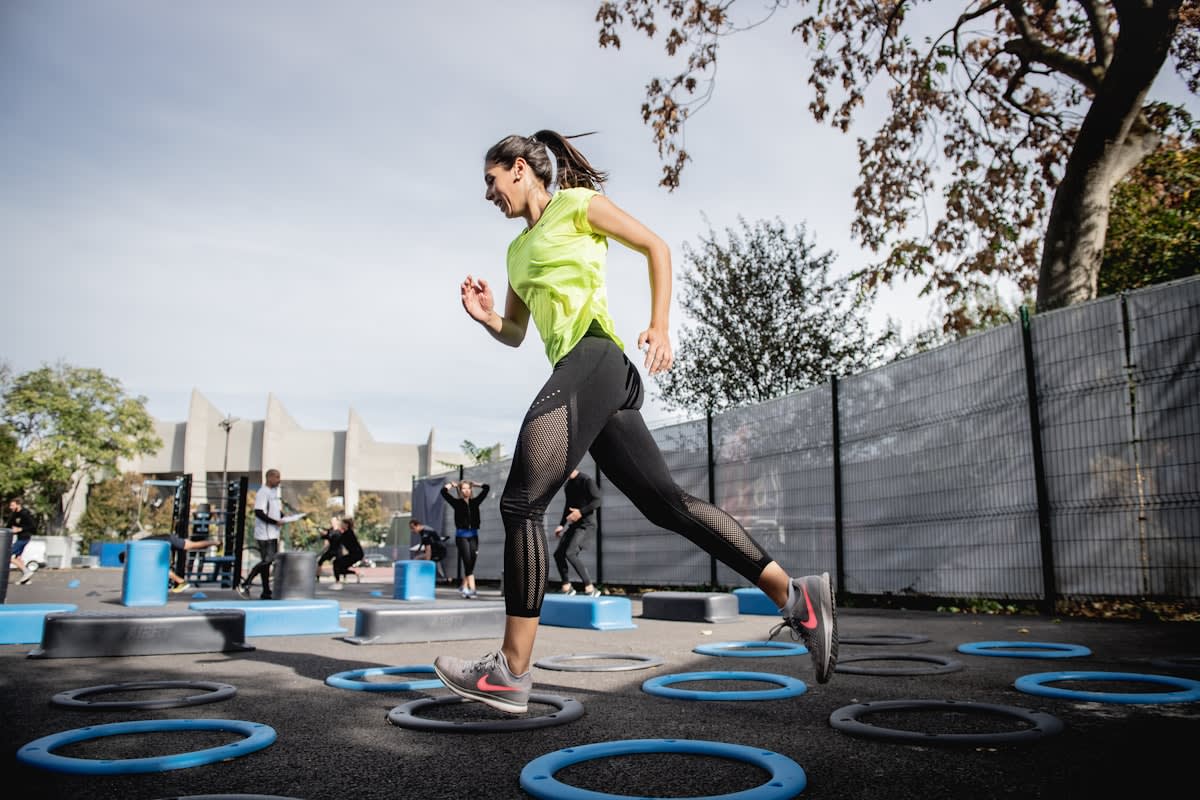
We are witnessing the death of the 'average' athlete. When training is tailored to the micro-fluctuations of a person's biology, the concept of a standard training program becomes obsolete. The competitive advantage now belongs to the organizations that can process the most data and turn it into the fastest intervention. Whether it is a football player at the World Cup or a taekwondo athlete in a virtual arena, the winner is the one whose recovery is a science, not a guess.
Ultimately, the abandonment of traditional recovery is a move toward intellectual honesty in sports. It acknowledges that no two athletes recover at the same rate and that the most dangerous moment for an athlete is when they feel 'fine' but their biomarkers indicate a state of systemic fatigue. By prioritizing the biometric signal over the athlete's subjective feeling or the coach's intuition, academies are building a more resilient, durable, and higher-performing class of athlete.