AI Executive Summary
"This article analyzes the intersection of geopolitical restructuring and sports science in Central Asia. It explains how Kazakhstan's strategic shift toward the EU creates a unique logistical and environmental ecosystem for elite athletes."
The global map of athletic excellence is shifting. For decades, the path to sporting glory ran through established hubs in North America, Western Europe, or the high-altitude camps of East Africa. However, a new gravitational pull is emerging from the steppes of Central Asia. This is not a random surge of talent but the result of a calculated systemic pivot. As Kazakhstan transitions from a transit state to a strategic global partner, the infrastructure of power is being repurposed for the pursuit of peak human performance.
The most visible evidence of this shift arrived on the grass courts of Wimbledon in July 2026. Elena Rybakina, the 2022 champion and No. 2 seed, entered the tournament not merely as an individual competitor but as a symbol of Kazakhstani capability. Although her run ended in the third round on July 4, 2026, in a hard-fought battle against Elise Mertens, her presence at the top of the rankings confirms a critical trend. The region is no longer just exporting raw materials; it is exporting world-class technical mastery and athletic resilience.

The Geopolitical Engine of Performance
To understand why Central Asia is becoming a focal point for elite sport, one must look at the macroeconomic restructuring described by analysts like Alona Lebedieva. Kazakhstan is currently moving away from being a simple transit point and toward a comprehensive strategic partnership with the European Union. This shift involves the development of the Trans-Caspian International Transport Route, better known as the Middle Corridor. When a nation optimizes its logistics for supply chain resilience and industrial value chains, it inadvertently builds the perfect framework for elite sports logistics.
"It is no longer only about trade or transit, but about forming a broader economic partnership in which Central Asia is becoming an important part of Europe’s diversification strategy."— Alona Lebedieva
This strategic diversification extends beyond oil and gas. By positioning itself as an aviation hub and an investment platform between Europe and Asia, Kazakhstan is creating the necessary connectivity for elite athletes to access global coaching, recovery technology, and competition. The ability to move talent and equipment seamlessly across the Middle Corridor allows for a hybrid training model: the isolation and discipline of the steppe combined with the cutting-edge sports science of the EU. This is the secret sauce fueling the region's current athletic ascent.
| Metric | Transit Era (Pre-2025) | Strategic Era (2026+) |
|---|---|---|
| Regional Role | Logistics Waypoint | Strategic Partner/Hub |
| Primary Export | Raw Materials | Industrial Value/Talent |
| EU Relationship | Trade-Based | Diversification Partnership |
| Sports Profile | Regional Competitors | Global Seed-Leaders |
The transition is not without its frictions, but the results are undeniable. The infrastructure being built for the Middle Corridor is not just for shipping containers; it is for the rapid deployment of human capital. When a country optimizes its railway links and aviation partnerships, it reduces the friction of international competition. For an athlete like Rybakina, this means the ability to maintain a world-class training regimen while remaining tethered to a home base that is increasingly integrated into the global economic core.
The Environmental Edge: Beyond the Baseline
Elite performance is often a game of environmental adaptation. We see this in the current World Cup cycle, where teams like England are struggling to navigate the hostile atmosphere and high altitude of the Estadio Azteca in Mexico. Marc Guéhi's admission that Mexico are the favorites due to these factors highlights a universal truth in sports: the environment is a weapon. Central Asia offers a similar, albeit different, environmental advantage. The vast, varied terrain and climatic extremes of Kazakhstan provide a natural laboratory for building cardiovascular resilience and mental toughness.
While the Mexico example demonstrates the danger of unpreparedness, the Central Asian model uses its geography as a strategic asset. The region's shift toward becoming an aviation and transport hub means that these natural advantages can now be paired with precision timing. Athletes can oscillate between high-stress environmental training and high-tech recovery centers, a luxury that was previously reserved for the wealthiest nations in the West.
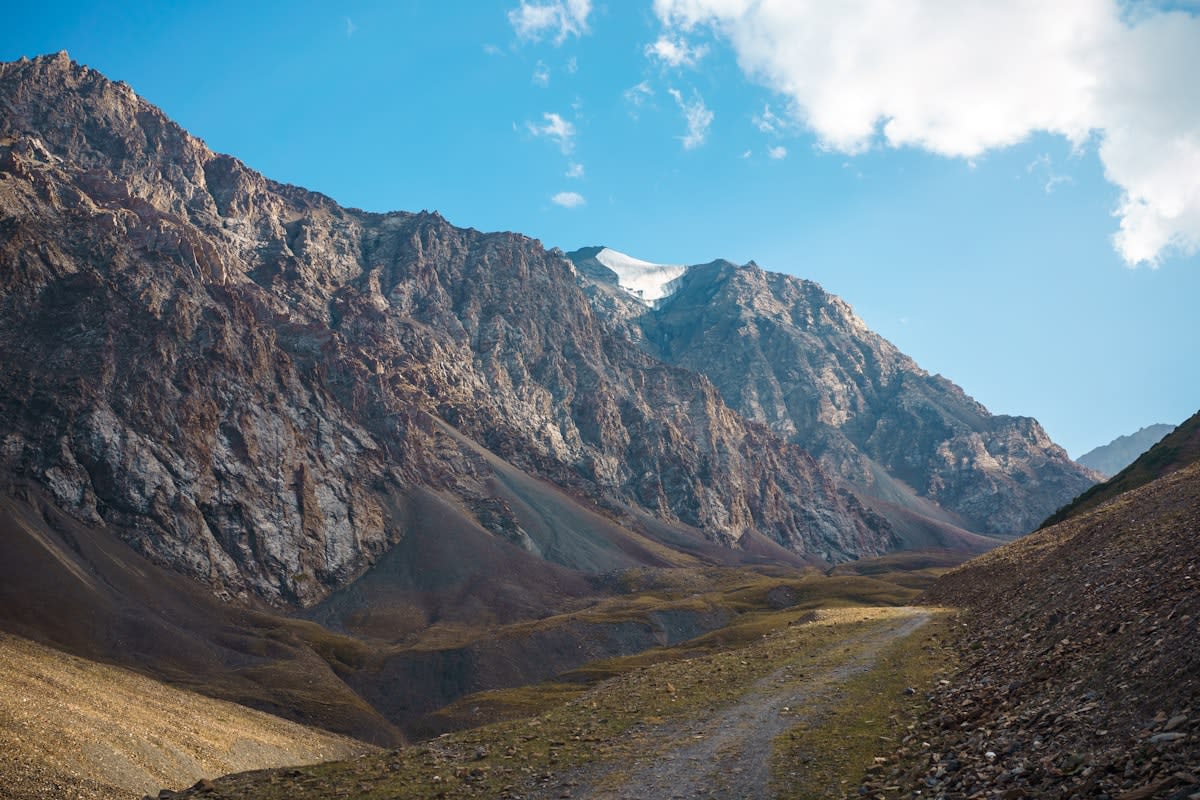
This synthesis of nature and strategy is what makes the current trend so potent. We are seeing a convergence of geopolitical ambition and athletic potential. When the state decides to move from a transit role to a strategic partner role, it invests in the quality of its citizens. The result is a new breed of athlete who is as comfortable in the high-pressure environment of a Grand Slam as they are in the rigorous conditions of the Kazakh steppe.
Strategic Insight
The Middle Corridor is more than a trade route; it is a pipeline for prestige. By integrating into the EU's diversification strategy, Kazakhstan is effectively importing the standards of excellence required to sustain a top-10 global athletic presence.
The Delta: Why Now?
The difference between the sporting landscape of 2024 and 2026 is the delta of institutional support. Twelve months ago, a Kazakhstani athlete's success was often viewed as an outlier. Today, it is viewed as a blueprint. The formalization of the strategic partnership with the EU has provided a framework for investment that goes beyond the surface. We are seeing a move toward industrial value chains that include the 'industry' of sports science and high-performance management.
This timing is critical. As Western hubs become saturated and prohibitively expensive, the efficiency of the Central Asian model becomes attractive. The region offers a combination of untapped human potential, strategic location, and a government eager to use sports as a vehicle for international legitimacy. The result is a quiet migration of expertise and a loud emergence of talent on the world stage.
Growth of Strategic Integration (Index)
Executive Insight
+18.4%
YTD Growth
The trajectory is clear. The loss of Rybakina at Wimbledon 2026 is a momentary setback in a larger upward trend. The fact that she remains a top seed and a global focal point proves that the system is working. Central Asia is no longer waiting for the world to notice it; it is building the infrastructure to ensure it cannot be ignored.
Ultimately, the rise of the region as a training ground is a byproduct of its desire for resilience. Just as the EU seeks supply chain resilience through the Middle Corridor, athletes are seeking performance resilience through the unique conditions and emerging support systems of Central Asia. The secret is out: the steppe is the new frontier of elite sport.