
AI Executive Summary
"This article reframes recovery as a precision engineering process rather than a passive state, providing a framework for elite physiological adaptation. It offers strategic insights into managing atmospheric, structural, and metabolic stressors to maximize human performance and longevity."
Most athletes view recovery as a passive state—a period of doing nothing until the soreness fades. That is a fundamental error. True recovery is an active engineering process. Whether you are battling the thin air of a high-altitude stadium or rebuilding a joint after a catastrophic tear, the goal is not to return to baseline, but to evolve beyond it. If you are not intentionally designing your downtime, you are simply waiting for your body to decide when it is ready. Why leave your longevity to chance when you can dictate the terms of your adaptation?
Prerequisites for High-Performance Recovery
Before implementing the protocol, you must possess the right framework. Recovery requires a shift in identity from a 'worker' to a 'practitioner.' You need a rigorous tracking system for fatigue and a willingness to embrace the boredom of slow, methodical progress. You cannot shortcut biological timelines. Whether it is the four-month window following an ACL surgery or the weeks required to acclimate to high altitudes, the biological clock dictates the pace, not your ambition.
- A baseline metric for cognitive and physical fatigue.
- Environmental awareness (specifically atmospheric pressure and oxygen availability).
- A structured stimulus-to-rest ratio based on workout intensity.
- Psychological resilience to handle the 'plateau' phases of rehabilitation.
The Master's Axiom
Recovery is where the actual growth happens. The workout is merely the signal; the recovery is the execution of the upgrade.
Step 1: Atmospheric Adaptation and Oxygen Management
When performance shifts to high-altitude environments, the rules of recovery change instantly. Consider the challenge faced by athletes at Azteca Stadium, which sits at more than 7,300 feet (2,200 meters) above sea level. At this height, lower atmospheric pressure and reduced oxygen availability create a systemic fatigue that cannot be 'powered through.' If you attempt peak performance without a dedicated adaptation period, you are fighting a losing battle against your own physiology.
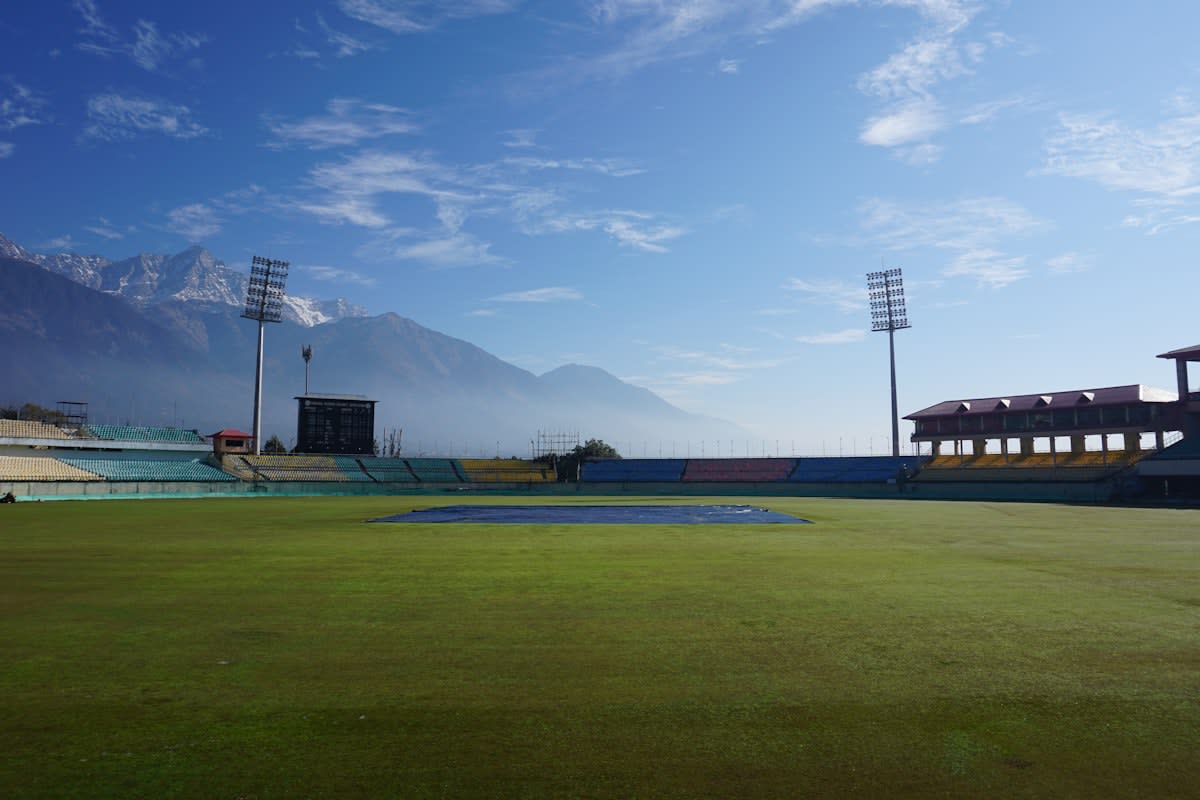
The protocol for altitude recovery focuses on reducing the fatigue caused by this oxygen deficit. This is not about resting more, but about resting smarter. You must allow the body to increase its red blood cell count and optimize oxygen transport. This adaptation period is the difference between an elite athlete who can maintain intensity in the 80th minute of a match and one who collapses under the weight of the thin air. Do not mistake the lethargy of altitude for a lack of fitness; it is a signal that your system is recalibrating.
Step 2: Structural Rehabilitation and Psychological Re-entry
Recovering from major surgery, such as an ACL tear, is as much a mental game as a physical one. Take the example of Jimmy Butler, who, nearly four months after ACL surgery on his right knee, maintained an unwavering confidence in his return to an elite level. This psychological edge is a critical component of the recovery protocol. The belief that you will return 'better than ever' is not mere optimism—it is a driver of the adherence required for grueling physical therapy.
"I’m right back to who I’ve always been."— Jimmy Butler, NBA Star
To engineer this type of recovery, you must focus on the transition from medical clearance to athletic performance. The four-month mark is often a pivotal juncture where the focus shifts from basic mobility to championship-level contention. The protocol here involves a gradual ramp-up of load, ensuring that the joint can handle the explosive demands of professional sport without triggering a relapse. You are not just healing a ligament; you are rebuilding a weapon.
Step 3: Managing High-Intensity Metabolic Stimuli
Not all workouts require the same recovery profile. A 'brutal' format like the 21-15-9 rep scheme—a signature of CrossFit—creates a specific type of metabolic stress. This format is designed to humble even elite athletes, providing a meaningful stimulus for both strength and size. Because the volume drops (from 21 to 15 to 9), the intensity typically spikes. This creates a massive debt in the body's energy stores that must be precisely repaid.

To recover from such a stimulus, the protocol demands a focus on muscle protein synthesis and nervous system downregulation. If you treat a 21-15-9 session like a light cardio day, you miss the window for muscle growth. The goal is to leverage the 'brutality' of the workout to drive hypertrophy. This requires a strategic increase in caloric intake and a strict adherence to sleep cycles immediately following the session to ensure the stimulus translates into actual tissue growth.
The Recovery Implementation Sequence
- Assess the Stimulus: Determine if the fatigue is atmospheric (altitude), structural (injury), or metabolic (high-rep training).
- Establish the Adaptation Window: Allocate a specific timeframe for the body to respond (e.g., the 4-month ACL window or the altitude acclimation period).
- Implement Active Modulation: Use targeted movements to maintain mobility without adding to the systemic fatigue load.
- Monitor Cognitive Flexibility: Ensure that mental fatigue is not masking physical readiness; a sharp mind is a prerequisite for a sharp body.
- Validate and Scale: Test the recovery through a controlled return to intensity, ensuring the 'better than ever' trajectory is being met.
Common Pitfalls in the Recovery Process
The most dangerous mistake an athlete can make is ignoring the environment. Attempting to perform at 7,300 feet without an adaptation period is a recipe for premature fatigue and failure. Similarly, rushing the structural recovery of a joint like the ACL because of a desire to return to 'championship contention' can lead to permanent setbacks. The ego is the enemy of the protocol.
Another common error is the misapplication of recovery to the workout type. Using a 'conditioning' recovery mindset for a 21-15-9 workout—which is actually a potent driver of muscle growth—will leave you underdeveloped. You must match the recovery intensity to the stimulus intensity. If the workout was designed to humble you, the recovery must be designed to rebuild you.
| Stress Type | Primary Trigger | Critical Recovery Metric | Target Outcome |
|---|---|---|---|
| Environmental | 7,300ft+ Altitude | Oxygen Saturation/Fatigue | Atmospheric Adaptation |
| Structural | ACL Surgery | Joint Stability/Confidence | Elite Level Return |
| Metabolic | 21-15-9 Rep Scheme | Muscle Soreness/Glycogen | Hypertrophy & Strength |