AI Executive Summary
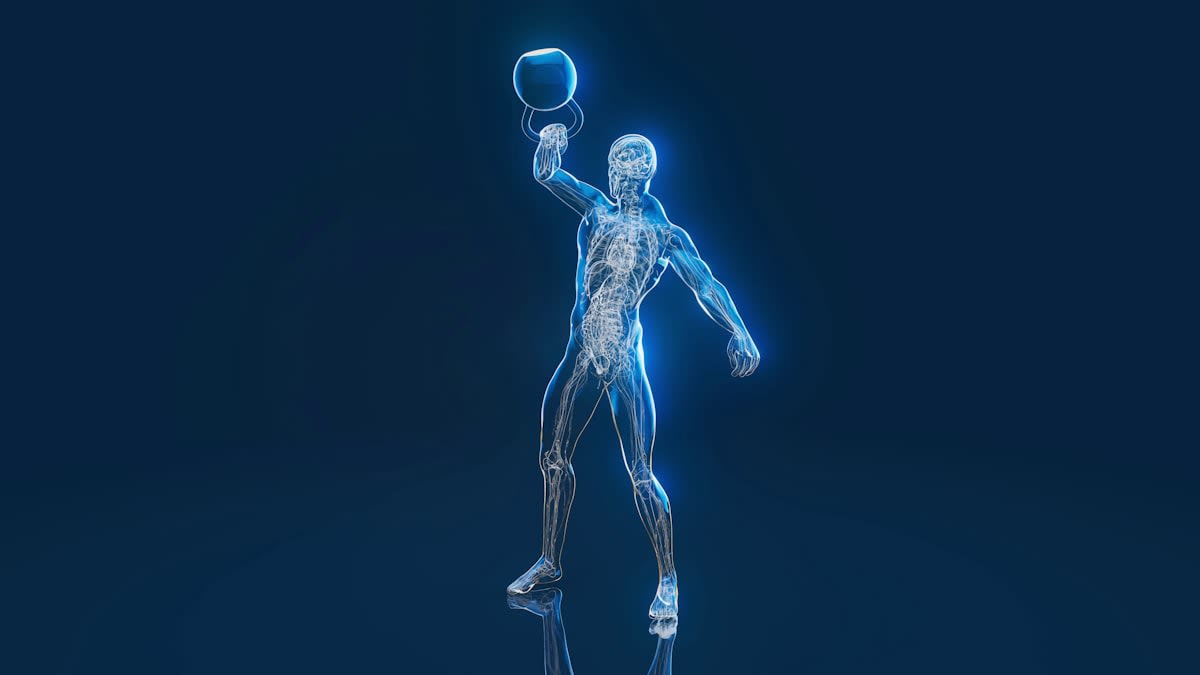
"This article provides a strategic framework for transitioning from generalized athletic training to high-precision, data-driven performance optimization. It integrates wearable tech, gender-specific biomarkers, and computational medicine to maximize both immediate athletic output and long-term healthspan."
The End of the Average Athlete
For decades, athletic training operated on a model of generalized averages. Coaches prescribed volumes based on what worked for the majority, ignoring the biological variance that separates a podium finish from a mediocre performance. This era of guesswork is ending. At the World Cup, athletes are no longer relying on perceived exertion alone; they are integrating sweat patches, WHOOP straps, Oura Rings, and performance vests to quantify the invisible. These tools transform subjective feelings of fatigue into objective data points, allowing for immediate behavioral interventions to rectify sleep deficits or recovery failures before they manifest as injuries.
Why does this matter for the non-professional? The democratization of this technology means the precision once reserved for national teams is now accessible. The goal is no longer just to train harder, but to train with a level of biometric precision that aligns with one's specific biological peak. When we track heart rate, body temperature, and sleep quality, we are not just gathering numbers; we are mapping the systemic response of the human body to stress. This allows an athlete to know exactly when to push for a personal best and when to pivot toward active recovery to avoid systemic collapse.
Prerequisites for Biometric Precision
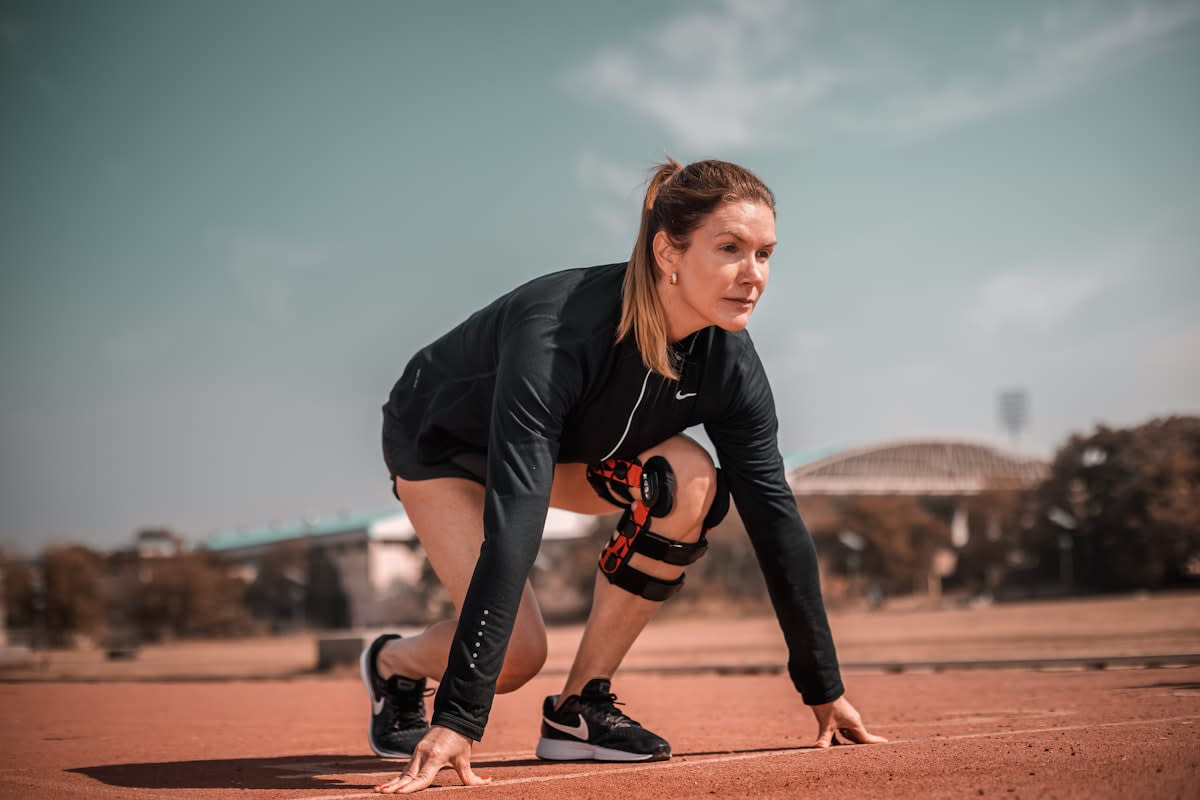
Before attempting to map a biological peak, you must establish a technological and physiological baseline. You cannot optimize what you do not measure. Precision requires a consistent stream of data that captures both the exertion phase and the recovery phase. Without a baseline, any adjustment to your training is merely another form of guessing.
- Biometric Hardware: A combination of a smart ring (e.g., Oura) for sleep and temperature, and a performance wearable (e.g., WHOOP) for heart rate and strain.
- Recovery Tracking: A dedicated system to monitor sleep architecture and resting heart rate (RHR).
- Strength Baseline: A documented record of current 1-rep maxes or standard rep-maxes across primary compound movements.
- Healthspan Markers: Access to basic blood panels to monitor longevity biomarkers, particularly for those over 40.
The Blueprint for Biological Mapping
- Establish Biometric Baselines: Track sleep, heart rate, and body temperature for 14 days to identify your unique recovery signature.
- Implement High-Density Strength Protocols: Execute a structured phase of muscle building or body recomposition based on your specific biological age and goals.
- Monitor Gender-Specific Biomarkers: Adjust training intensity based on healthspan markers and chronic pain indicators, particularly for women's health optimization.
- Iterate via Computational Feedback: Use AI-driven data trends to adjust training volume, aiming for the intersection of maximum output and sustainable longevity.
Once baselines are established, the focus shifts to high-density execution. For those pursuing body recomposition—the simultaneous loss of fat and gain of muscle—the approach must be clinical. A three-workout-a-week strength plan is often sufficient, provided the exercises are compound and the intensity is managed. For women over 40, this requires a specific focus on maintaining muscle mass to support healthspan, utilizing movements that challenge the posterior chain and upper body stability.
| Exercise | Sets | Reps |
|---|---|---|
| Hip thrust | 3 | 8-10 |
| Romanian deadlift | 3 | 8-10 |
| Walking lunge | 3 | 10 per leg |
| Goblet squat | 3 | 10-12 |
| Lat pulldown | 3 | 8-10 |
| Dumbbell shoulder press | 3 | 8-10 |
| Lateral raise | 3 | 12-15 |
| Dumbbell bench press | 3 | 10 |
While structured plans provide the foundation, elite conditioning often requires a shift in rep schemes to drive rapid growth. The 21-15-9 format, a staple of CrossFit, is designed to test mettle while providing a meaningful stimulus for both strength and size. By decreasing the rep count while maintaining high intensity, this format forces the body to adapt to escalating fatigue, bridging the gap between pure strength and metabolic conditioning. Does the simplicity of a Post-it note format belie its brutality? Absolutely, but that is precisely why it remains a defining fingerprint in performance training.
"The 21-15-9 rep scheme may just be the single most CrossFit thing in existence... building more muscle than you'd think."— Men's Health Analysis
Integrating these strength protocols with biometric data prevents the most common error in sports: overtraining. When a World Cup athlete sees their sleep quality dropping or their recovery metrics flagging, they intervene. They don't just push through the pain. This intervention is the essence of precision. It is the shift from 'no pain, no gain' to 'data-driven adaptation.' By aligning the 21-15-9 or 8-week recomposition plans with real-time recovery data, you ensure that every rep is contributing to growth rather than facilitating burnout.
The Longevity Variable
Biological peaking is not just about the next competition; it is about maximizing healthspan. A critical nuance often ignored is the difference in how biomarkers manifest across genders. Research published in The Lancet Public Health indicates that while women generally outlive men, they are more prone to chronic pain and mental health challenges. This suggests that the biometric map for women must prioritize inflammatory markers and mental health biomarkers to ensure that longevity does not come at the cost of quality of life.
The Precision Shift
Precision medicine is moving toward biomarker-guided designs. Whether it is treating major depressive disorder or optimizing athletic performance, the future lies in matching the intervention to the individual's unique biomarker profile.
Looking toward the horizon, the definition of a biological peak may be rewritten entirely. Futurist Ray Kurzweil predicts that by 2032, the convergence of AI, computational medicine, and molecular biology will lead us to longevity escape velocity. This is the radical concept where science adds at least one year of healthy life for every year that passes. In this context, biometric precision is the first step toward a world where aging is no longer a one-way process, but a manageable variable in a larger performance equation.
Common Pitfalls in Biometric Mapping
- Data Obsession vs. Intuition: Relying solely on a wearable while ignoring acute physical pain or mental burnout. Data is a guide, not a dictator.
- Ignoring Gender Variance: Applying male-centric recovery models to women, ignoring the chronic pain and healthspan nuances highlighted by The Lancet.
- Static Protocolism: Following an 8-week plan or a 21-15-9 scheme without adjusting volume based on daily biometric fluctuations.
- Underestimating Sleep: Treating sleep as a byproduct of training rather than the primary driver of the biological peak.
The ultimate goal of biometric precision is to remove the noise from the signal. When you align your strength protocols—whether it is a targeted recomposition for women over 40 or a brutal CrossFit scheme—with the cold, hard data of your heart rate, temperature, and biomarkers, you stop guessing. You move from a state of hoping for results to a state of engineering them. The biological peak is not a destination you reach and then leave; it is a moving target that you track, manage, and extend through the disciplined application of data.