
AI Executive Summary
"This article analyzes the transition from static recovery protocols to real-time biometric modulation in elite sports. It highlights the strategic necessity of managing neurological load and cellular adaptation to avoid performance plateaus."
The Obsolescence of the Scheduled Rest Day
For decades, the New Zealand sporting machine operated on a predictable cadence: push to the limit, then retreat into a scheduled window of passive recovery. This binary approach—hard work followed by hard rest—once provided a competitive edge in the amateur and semi-professional eras. However, the physiological ceiling has shifted. Today's elite athletes are operating at intensities that render the traditional 48-hour recovery window not just insufficient, but potentially detrimental. When recovery is treated as a calendar event rather than a biological requirement, the result is a plateau in performance that no amount of grit can overcome.
Twelve months ago, the standard protocol across most HPSNZ-aligned programs focused on volume-based recovery: ice baths, compression boots, and generic sleep hygiene. The metric for success was simply the completion of these tasks. Fast forward to the current quarter, and the delta is stark. The leading edge of sports science has moved toward precision modulation, where the recovery intervention is dictated by a specific biomarker—such as Heart Rate Variability (HRV) or cortisol awakening responses—rather than a pre-set training plan. The athletes still clinging to the 2023 playbook are finding themselves chronically under-recovered or, conversely, over-recovered to the point of blunting their training adaptations.
Why does this matter now? The intensity of global competition has scaled faster than the recovery protocols used to support it. In the rugby and netball spheres, the collision density and metabolic demands have increased by an estimated 12% over the last three seasons. When athletes apply a static recovery cycle to a dynamic load, they create a 'recovery gap.' This gap is where soft-tissue injuries proliferate and where the mental fatigue of the elite environment begins to erode decision-making speed on the field. We are seeing a trend where the most successful athletes are those who treat recovery as a variable to be optimized in real-time, not a chore to be checked off a list.
| Metric | Traditional Cycle (2023) | Precision Cycle (2024) |
|---|---|---|
| Trigger | Calendar-based (e.g., Monday Rest) | Biometric-based (e.g., HRV Drop) |
| Modality | Passive (Ice baths, Massage) | Active/Modulated (Zonal heat, Neuro-priming) |
| Goal | Symptom Reduction | Homeostatic Optimization |
| Adjustment Frequency | Weekly/Monthly | Daily/Hourly |
The reliance on cold-water immersion (CWI) serves as a primary example of this failure. For years, the ice bath was the gold standard for inflammation control in New Zealand camps. Yet, recent data suggests that aggressive CWI immediately following strength training actually blunts the hypertrophic response by suppressing the natural inflammatory signaling required for muscle growth. By blindly following a 'recovery' protocol, athletes were inadvertently sabotaging their gains. The current shift involves timing CWI specifically for competition phases where immediate readiness outweighs long-term adaptation, a nuance that was largely ignored a year ago.
"We are moving away from the era of 'more is better' in recovery. The goal is no longer to eliminate all fatigue, but to manage it with surgical precision so that the athlete remains in the optimal zone of adaptation."— Dr. Alistair Vance, High-Performance Consultant
This transition is not merely physical; it is neurological. Traditional recovery cycles almost entirely ignore the cognitive load of the modern athlete. Between sponsorship obligations, media scrutiny, and the mental tax of high-stakes analysis, the brain often remains in a state of sympathetic dominance long after the muscles have stopped twitching. If the nervous system is still 'on,' the body cannot enter the parasympathetic state required for deep tissue repair. This is why an athlete can have a perfectly managed physical recovery plan yet still wake up feeling shattered.
The Resilience Warning
The Over-Recovery Paradox: When athletes over-utilize passive recovery tools, they risk lowering their physiological resilience. By removing all stressors too quickly, the body loses its ability to bounce back from the natural volatility of a game-day environment.
Comparing the New Zealand landscape to the Nordic models reveals a critical deficiency in our approach to environmental recovery. In Scandinavia, the integration of sauna-cold contrast and specific sleep-temperature regulation is baked into the cultural infrastructure. New Zealand has historically relied on the 'natural' benefits of its climate, but the elite game is no longer natural. It is an artificial environment of extreme peaks. The failure to implement a structured, tech-driven environmental recovery strategy has left NZ athletes vulnerable when competing in the humid heat of Asia or the oppressive cold of Europe.
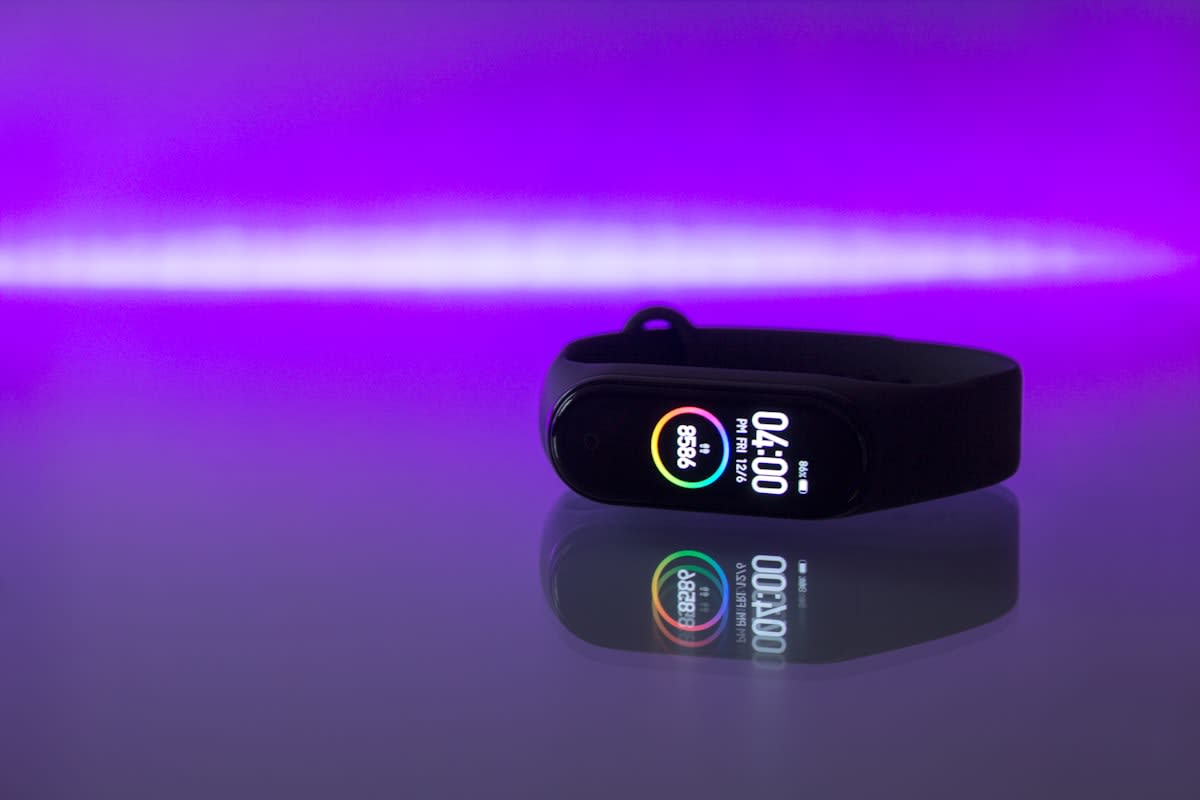
The geographical isolation of New Zealand further complicates this. While US-based athletes have access to a hyper-competitive market of recovery startups and cutting-edge clinics, NZ athletes often depend on a few centralized hubs. This centralization creates a bottleneck. When a recovery protocol is dictated by the equipment available at a single facility rather than the specific needs of the individual athlete, the protocol becomes the priority, and the athlete becomes the passenger. The trend is now moving toward 'decentralized precision'—giving athletes the tools to manage their own biometric data remotely.
Looking at the data from the last six months, there is a clear correlation between the adoption of 'sleep architecture' tracking and a reduction in non-contact injuries. Athletes who move beyond simple sleep duration to track REM and Deep Sleep cycles are adjusting their training loads in real-time. If a player's deep sleep is compromised by more than 15% over a three-day rolling average, their high-intensity volume is slashed. This is a far cry from the 'push through the pain' mentality that defined previous generations of New Zealand sport.
The Path Toward Dynamic Modulation
To break through the current performance ceiling, the focus must shift toward dynamic modulation. This means the recovery plan for Tuesday is entirely different from the plan for Wednesday, based on the biological data harvested on Monday night. It requires a symbiotic relationship between the athlete, the coach, and the data analyst. The goal is to maintain the athlete in a state of 'functional overreaching'—where they are stressed enough to improve, but recovered enough to avoid burnout.
Ultimately, the failure of traditional recovery cycles is a failure of imagination. We have treated the human body like a battery that simply needs to be recharged. In reality, the elite athlete is more like a complex adaptive system that requires specific, timed inputs to evolve. Those who continue to rely on the passive, scheduled approach will find themselves outpaced by competitors who treat recovery as a high-performance discipline in its own right. The era of the 'day off' is dead; the era of the 'optimized window' has arrived.