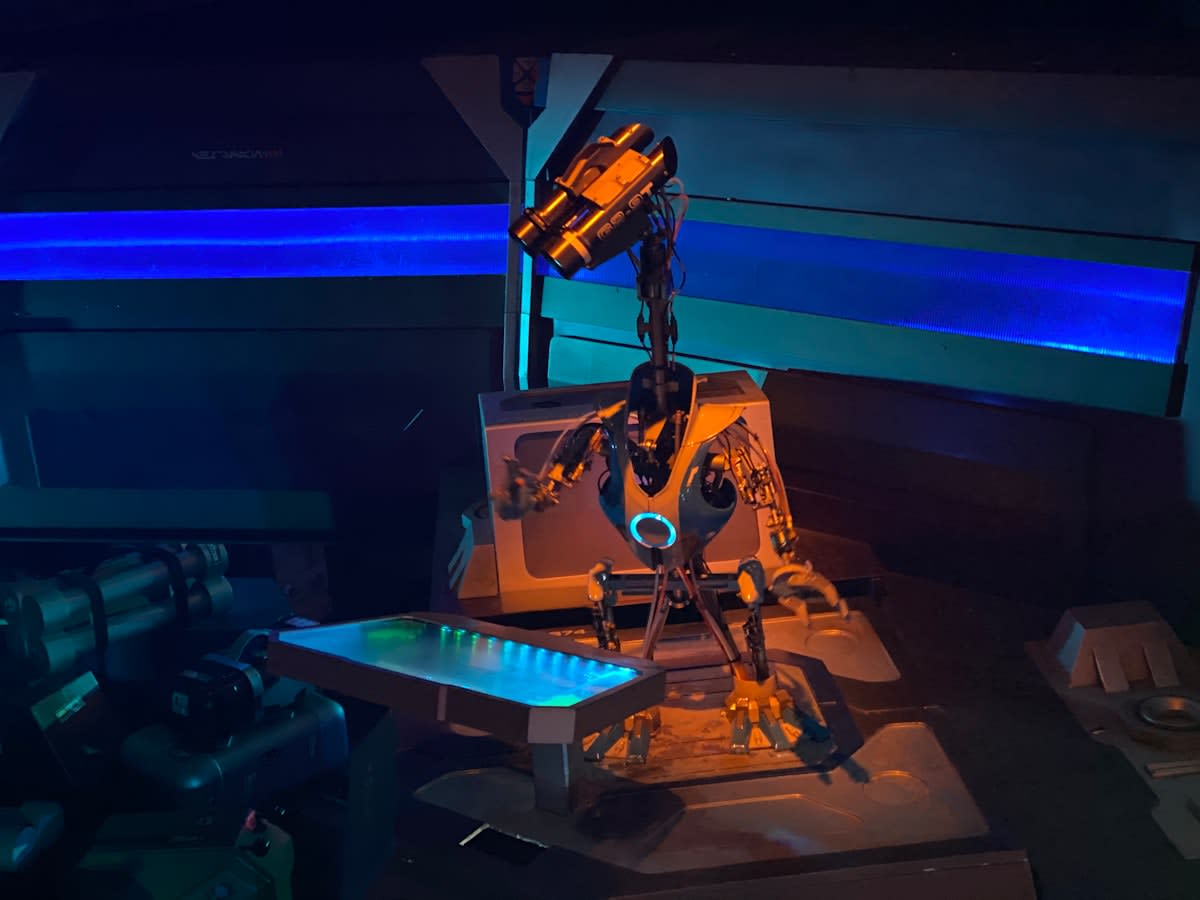
AI Executive Summary
"This article analyzes the strategic transition from prompt-based generative AI to autonomous agentic systems capable of physical state recovery. It provides empirical evidence of efficiency gains in research and critical infrastructure, marking a shift toward embodied intelligence."
The Agentic Convergence
High-signal activity spiked between June 29 and July 1, 2026. Intelligence reports indicate a decisive move toward embodied systems. Software is no longer the ceiling.
Atomathic's Physical AI 2.0 framework targets the physical state recovery bottleneck. Reasoning alone cannot manage sparse or noisy observations in the real world. This represents a critical departure from the simulation-heavy models dominant in 2025.
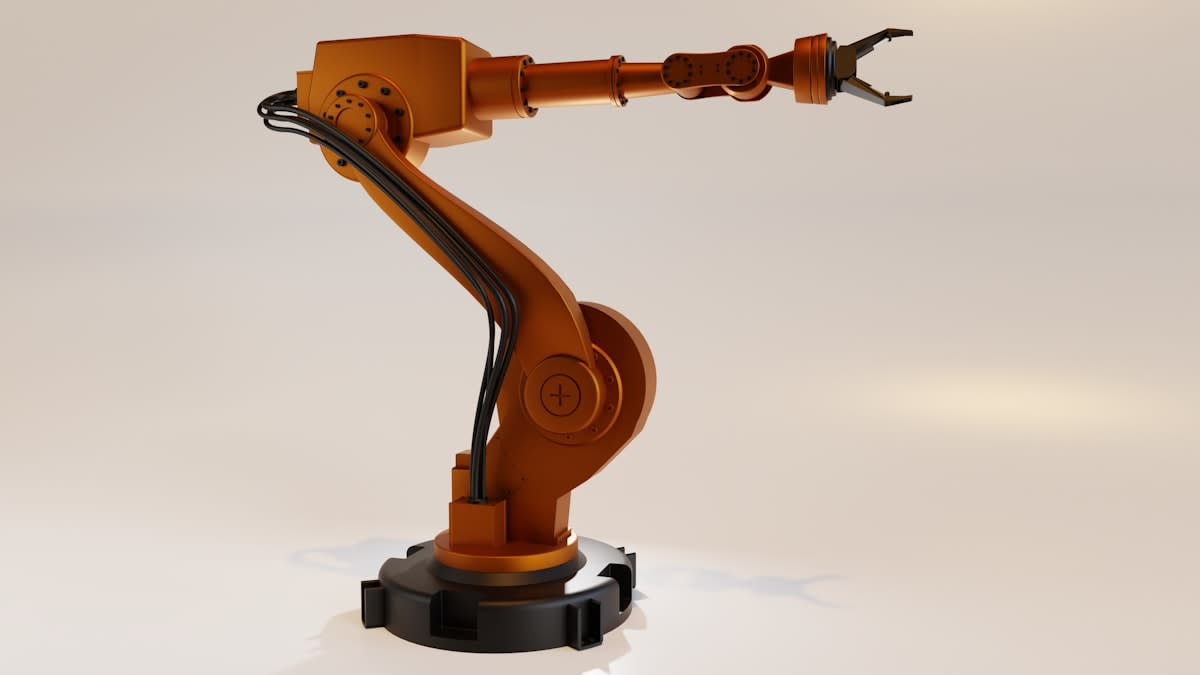
Architectural Requirement
The Physical AI 2.0 architectural sequence: World models -> Physical state recovery -> Reasoning systems -> Action.
Embodied Security and Infrastructure
Seoul-based AUTOCRYPT demonstrated a Digital Key Self-Testing Kit in Budapest on June 29. Validation is now a prerequisite for CCC-compliant systems. It is the only way to secure autonomous vehicles and EV infrastructure before mass production.
Cyient is pushing VISMON AI to bridge the gap between network engineering and cognitive operations. Clean data foundations are the only way to avoid using AI as a mere slogan. Reliability in network modernization depends on this engineering discipline.
The Efficiency Delta
Elsevier's LeapSpace is providing hard numbers on agentic research workflows. Nearly 97% of users report time savings. More than half of these researchers cut their workload by over 50%.
| Sector | Agentic Application | Measurable Outcome |
|---|---|---|
| Academic Research | End-to-end workflow automation | 97% report time savings |
| Healthcare | Care Intelligence analytics | System friction isolation |
| Performance Marketing | RFP and plan routinization | Autonomized optimization |
Hyro is solving the sentiment noise problem in healthcare. Their Care Intelligence layer distinguishes between medical distress and system friction. This precision prevents false positives in system failure alerts.
"The whole point is that AI routinizes, or basically autonomizes, routinized tasks of RFPs and plan building and optimization in flight, and it’s working."— Krishan Bhatia, Chief Business Officer at Taboola
Performance marketing is currently autonomizing plan building. Governance remains the primary friction point. Precision in outcomes is the only metric that matters now.