AI Executive Summary
"This article analyzes the critical shift in AI infrastructure investment from compute hardware (GPUs) to energy procurement and generation. It highlights the strategic emergence of 'gas-to-nuclear' models and behind-the-meter capacity as essential for maintaining AI scalability."
Silicon is solved. Electrons are the crisis. BlackRock recently flagged a massive trade movement toward the unglamorous business of getting power to data centers on time.
The Infrastructure Signal
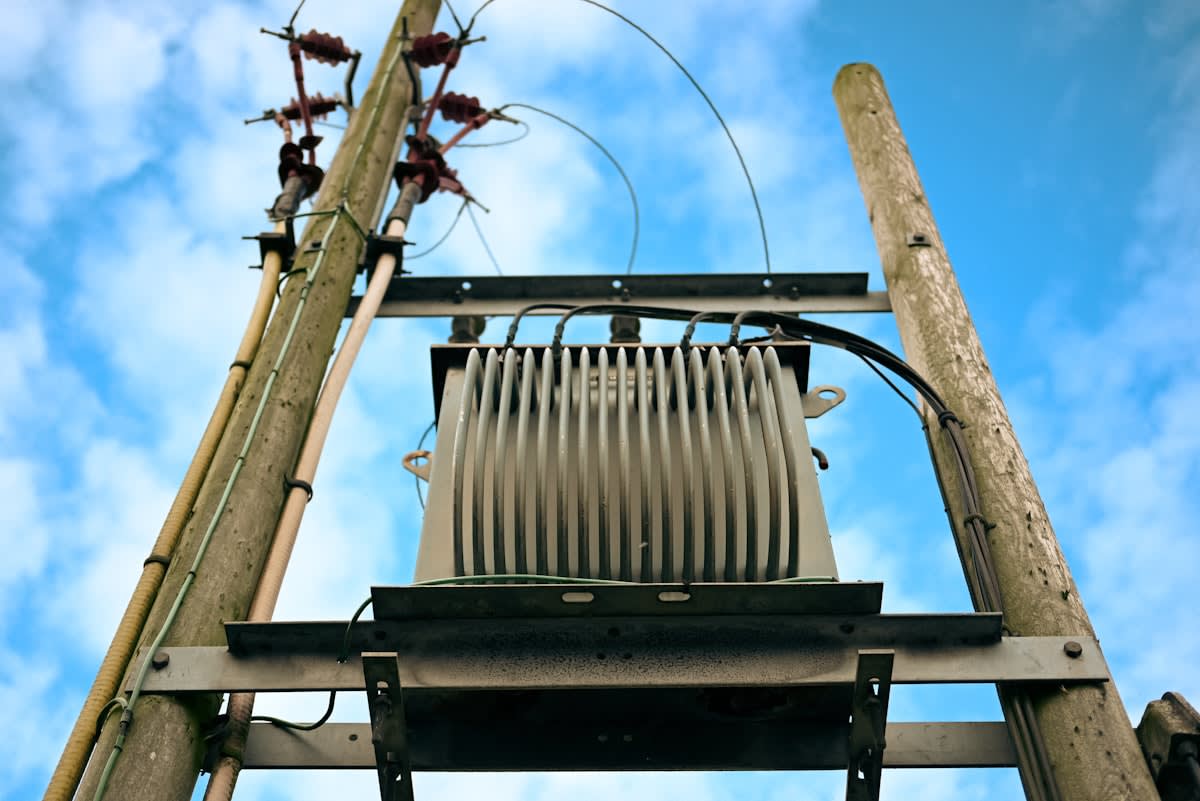
BlackRock identifies electricity, power equipment, grid connections, and transformers as the new critical bottlenecks for AI infrastructure.
U.S. electricity net generation recorded ±0 growth between 2008 and 2024. This stagnation is a systemic failure. Instead of waiting for utility upgrades, hyperscalers are generating power on-site.
| Metric | Value/Status |
|---|---|
| US Electricity Growth (2008-2024) | ±0% |
| Planned Behind-the-Meter Capacity | 55 GW |
| Texas Phased Project Total | 2.5 GW |
| Euro Zone June Inflation | 2.8% |
ING estimates that planned behind-the-meter capacity for U.S. data centers now exceeds 55 gigawatts. That figure is larger than the total installed capacity of New York state. The delta is clear: the market has moved from buying chips to buying the grid.
Hyperscalers Cut the Queue
Valar Atomics is partnering with Nvidia to deploy a small data center in Utah. This project utilizes a microreactor to minimize water consumption. Criticality for these reactors is targeted by July 4 as part of a Department of Energy pilot program.
Blue Energy is converting gas to nuclear to solve financing gridlock. Their model uses natural gas turbines for immediate revenue while Small Modular Reactors (SMRs) move through licensing. This approach compresses the nuclear timeline from a decade to roughly 48 months.
- Port of Victoria, Texas: 2.5 GW total phased project.
- 2027: Target for Final Investment Decision (FID).
- 2030: 1 GW of gas power via GE Vernova 7HA.02 turbines.
- 2032: 1.5 GW of nuclear power via five BWRX-300 SMRs.
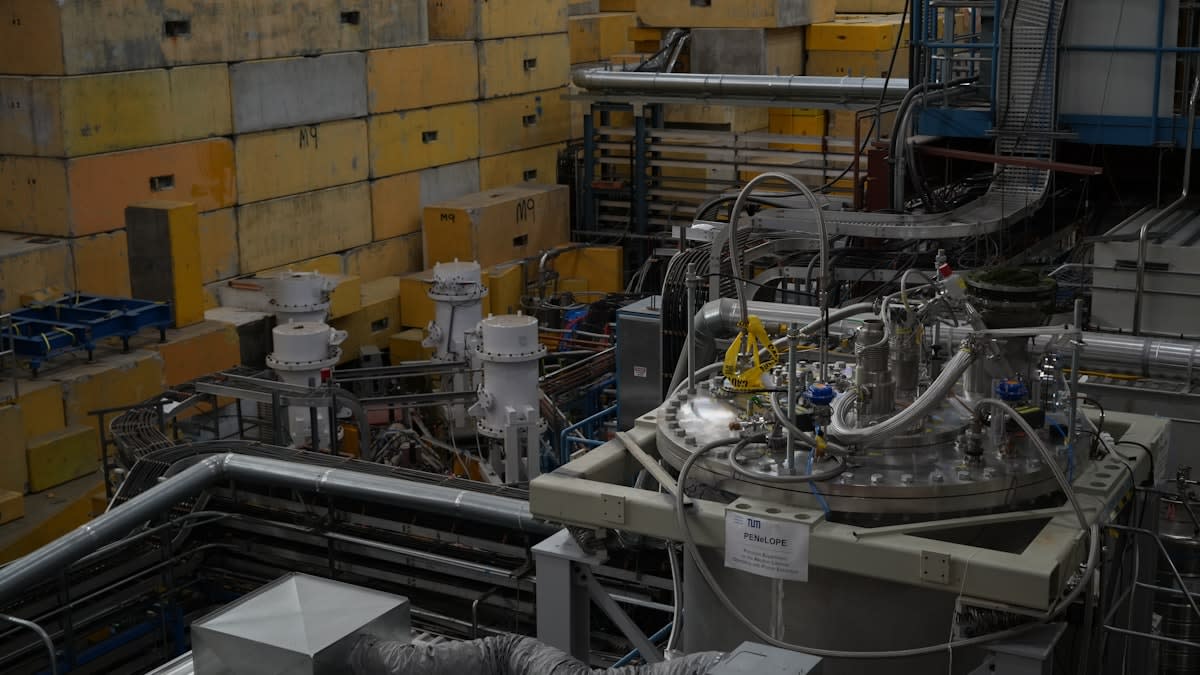
Regulatory friction is finally easing. The NRC approved a report in January 2026 allowing non-nuclear balance-of-plant construction before full licensing. This unlock makes the gas-to-nuclear model viable.
Inflation Cools as Energy Drops
Inflation peaked in May. Energy prices fell in June following the partial reopening of the Strait of Hormuz. Kalshi traders now estimate a less than 30% chance that inflation exceeds 4.2% in 2026.
Euro zone inflation slowed to 2.8% in June. Food and energy pressures eased significantly. Such cooling suggests the Fed may remain on hold, reducing the cost of capital for massive energy projects.
Precision in power sourcing is the only remaining competitive advantage. Those who control the electrons control the compute.