AI Executive Summary
"This article analyzes the critical shift from software-centric AI development to the physical infrastructure challenges of power and cooling. It provides strategic insights into the geopolitical and technical bottlenecks that will determine the winners of the AI race."
The Physical Wall of Intelligence
Stop talking about parameters and tokens. The real battle for AI supremacy is now being fought with copper, concrete, and uranium. This month, the narrative shifted from who has the best model to who can actually keep the servers running. We are seeing a brutal collision between digital ambition and physical reality.
The volatility is stark. While the United States plans a trillion-dollar energy overhaul, Tanzania suffered a nationwide blackout on June 27, 2026, following a total power grid failure. This contrast exposes the fragile bridge we are crossing: the world is attempting to build a hyper-intelligent layer on top of a power grid that, in many regions, is still fundamentally broken.
The Infrastructure Delta
Twelve months ago, the industry obsession was GPU procurement. Today, the obsession is power availability. The delta is a move from software optimization to hard-hat engineering.
New Delhi's Nuclear Gamble
India is not waiting for the grid to catch up. In a move that dismantles decades of state control, the government passed the Sustainable Harnessing and Advancement of Nuclear Energy for Transforming India (SHANTI) Act in December 2025. The goal is aggressive: mobilize $210 billion in private investment to skyrocket nuclear capacity.
| Metric | Current State | 2047 Target |
|---|---|---|
| Nuclear Capacity | 9 GW | 100 GW |
| Investment Requirement | State Funded | $210 Billion (Private) |
| Deployment Pace | Baseline | 10x Increase |
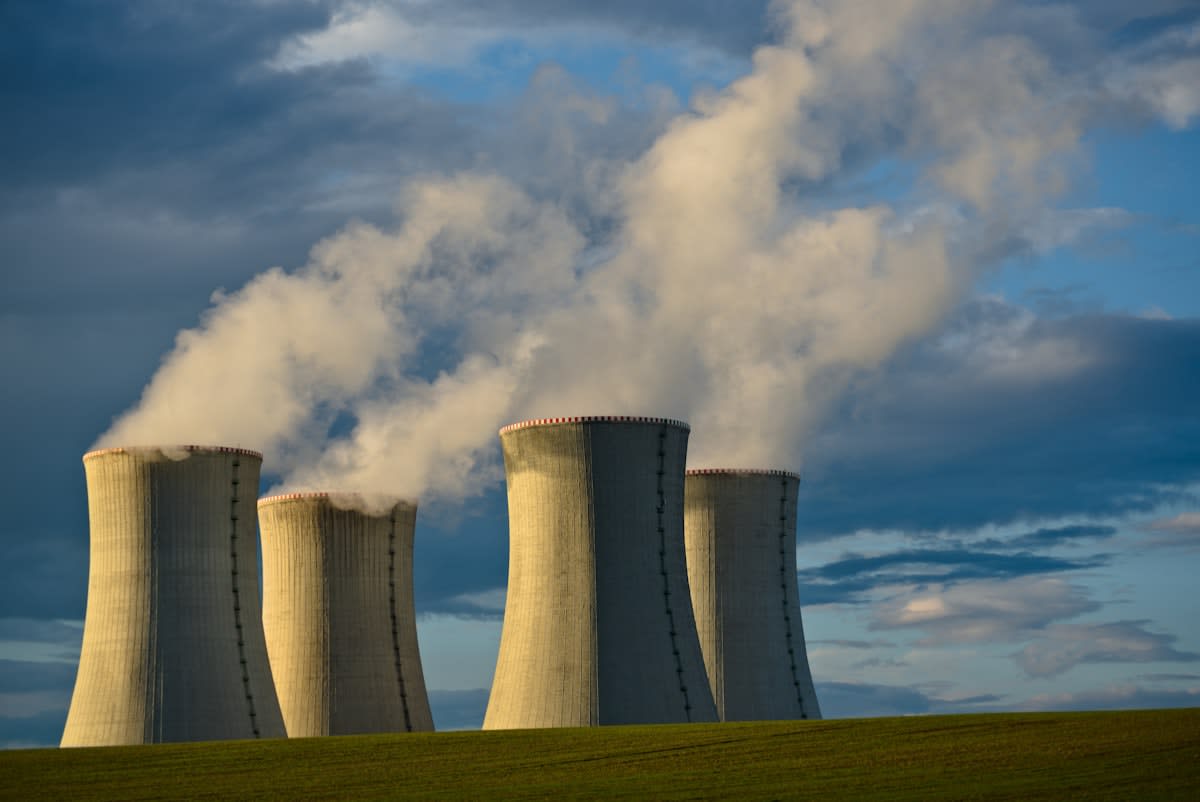
Is a tenfold increase in deployment speed realistic? The SHANTI Act opens the door, but the commercial scaffold is still being built. This is a high-stakes play to ensure that the next decade of AI growth isn't throttled by a lack of baseload power.
The Trillion-Dollar American Grid
Across the ocean, the U.S. is staring down a $10 trillion infrastructure deficit over the next decade. The American Society of Civil Engineers estimates that 20% of this—roughly $2 trillion—must go toward energy infrastructure. This isn't just about adding more wires; it is about a fundamental redesign of how power is delivered.
"Essentially, co-designing electrification and automation, deploying digital intelligence as a single integrated system at the front end of every project, not bolted on after commissioning, is what the industry should be, and in many ways already is, heading to."— Industry Expert via Forbes
The shift is so profound that founders are abandoning entirely different industries. Soenke, a former creator economy entrepreneur, left that space to launch TAR (Transformative American Resources), a startup specifically targeting data center power efficiency. He identified that the real bottleneck isn't the app—it's the electricity.
The Biology of Big Tech
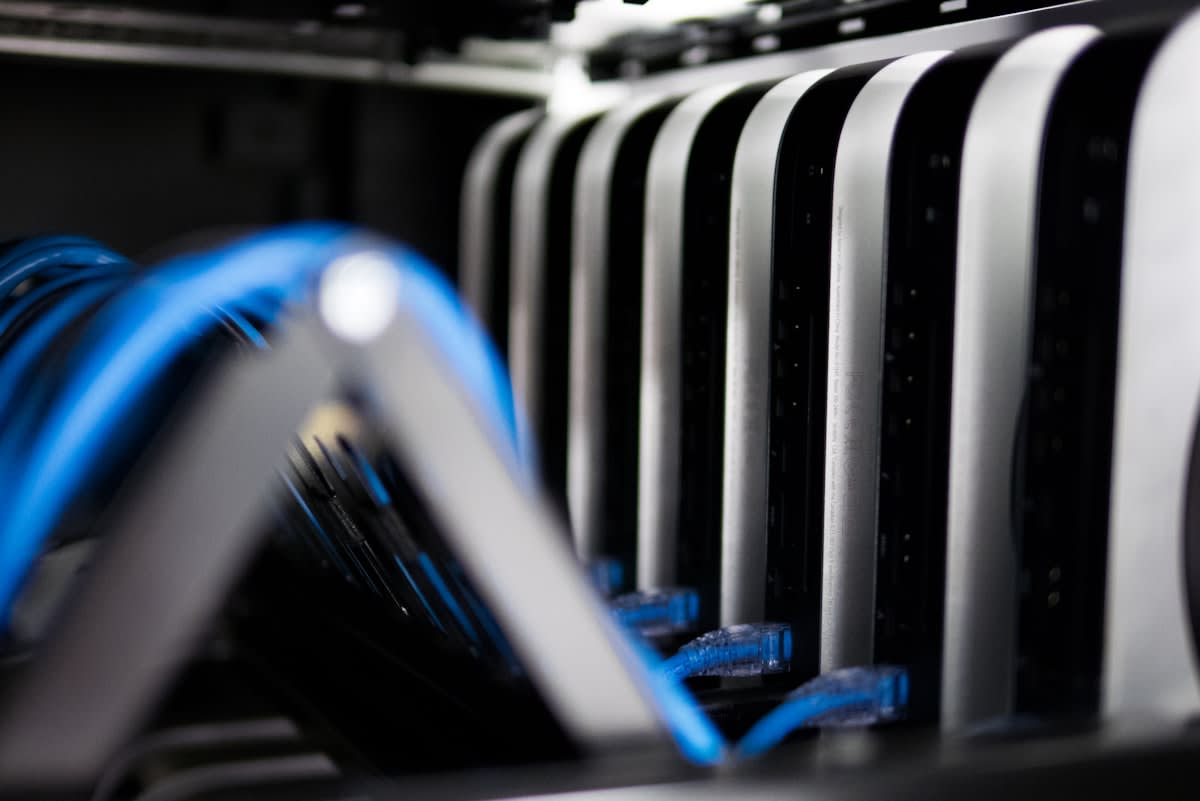
While the macro-grid struggles, the micro-environment inside the data center is producing its own nightmares. As we push NVIDIA GPUs to their limits, we've turned liquid cooling systems into petri dishes. Bacterial growth in these systems is now a critical technical failure point.
Enter Omen AI. Founded by Zach Laberge, the startup recently raised $31 million to deploy miniature spectrometers that analyze liquid composition in real time. This is the kind of granular, unglamorous problem that actually determines uptime. Even in emerging hubs like Uzbekistan, where digitalization is accelerating, these monitoring systems will be the difference between a stable IT infrastructure and a melted server rack.
We are moving past the era of theoretical AI. We are now in the era of AI maintenance. Whether it is fighting slime in a cooling pipe or deregulating nuclear energy in New Delhi, the winners will be those who can manage the physical chaos of the machine.