
AI Executive Summary
"This article provides a strategic blueprint for transitioning agriculture from fragmented manual processes to a synchronized autonomous pipeline. It highlights the critical intersection of digital identity, Physical AI, and data orchestration to drive global competitiveness."
Agricultural efficiency is no longer a matter of better soil or more fertilizer; it is a data orchestration problem. While 48 percent of farmers and ranchers in regions like Iowa already utilize AI tools such as Gemini or ChatGPT, a critical trust gap persists, with only 24 percent fully trusting AI-driven business recommendations according to MorganMyers and Ag Access. This friction between adoption and trust is where the most significant operational failures occur.
Prerequisites for Pipeline Integration
- A verified digital identity registry for all producers (e.g., the AgriStack model).
- AI-enabled crop breeding software for accelerated seed development.
- Interoperable Physical AI systems for warehouse handoffs (trailer-to-pallet).
- Integrated cold-chain logistics partnerships for cross-border transit.
- A harmonized framework for regenerative metrics to track Scope 3 emissions.
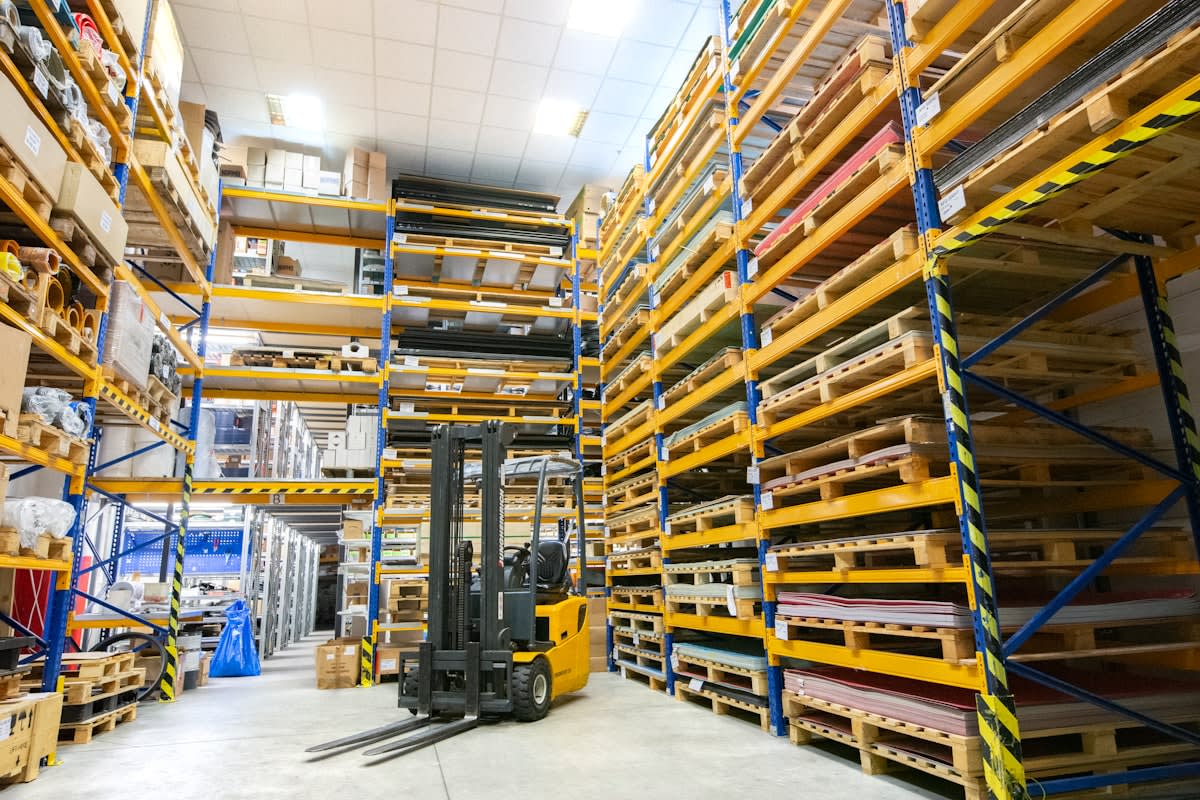
Establishing these prerequisites transforms the supply chain from a series of disconnected handoffs into a synchronized flow. The goal is to move the product from the seed stage to the global market without the typical data leakage that plagues traditional farming.
Execution Protocols for the Autonomous Pipeline
- Deploy a Digital Backbone: Implement a farmers' registry to create a single, verified digital identity. Link this registry to a lending interface, such as India's Unified Lending Interface (ULI), to allow lenders instant access to consolidated data and eliminate the reliance on self-reported claims.
- Accelerate the Biological Layer: Use AI to compress crop breeding cycles. Follow the Syngenta Group China model by integrating AI into seed technology management to increase crop resilience and yield before the seed ever hits the soil.
- Automate the Logistics Handoff: Integrate trailer-unloading robots with pallet-building systems. Deploy linked Physical AI systems, such as the integration between Pickle Robot and Ambi Robotics, to automate the movement of freight from trucks to warehouse floors without human intervention.
- Scale Regenerative Frameworks: Adopt a harmonized framework for regenerative agriculture. Use common metrics and tracking tools, similar to the Regenerating Together Programme (RTP), to ensure that 50 percent of key ingredients are sourced from regenerative practices by 2030, as targeted by Nestlé.
- Synchronize Cold-Chain Distribution: Establish integrated cold-chain logistics and global partnerships to maintain product integrity across Asia and Europe, mirroring the CP Group China operational model.
The Efficiency Benchmark
In February 2026, the Government of Maharashtra demonstrated the power of a digital backbone by disbursing over ₹14,000 crore in disaster relief for Kharif crop losses to 89 lakh farmers in just five days. This was made possible by the AgriStack registry, which replaced slow, manual verification with real-time traceability.
These steps are not suggestions; they are the operational requirements for competing in a market where China and India are aggressively digitizing their rural economies. The difference between a high-risk gamble and a data-powered engine is the presence of a verified registry.
| Metric | Farmer Adoption (Iowa) | Farmer Trust (Iowa) |
|---|---|---|
| Weekly/Daily AI Use | 48% | 24% |
| AI-Enabled Ag Platforms | 39% | Low/None (Ag Retailers) |

"Liu Linlin of McCain Foods China emphasizes that competitiveness is built over decades of working directly with farmers before establishing manufacturing bases."— Operational Insight
Common Pitfalls in Technical Implementation
- Over-reliance on generic AI: 48 percent of farmers use generic models, but these lack the domain specificity required for high-stakes business decisions.
- The 'Handoff Gap': Implementing isolated robotics (e.g., only unloading) without integrating the subsequent pallet-building phase, creating a manual bottleneck.
- Data Siloing: Creating digital registries that do not link to financial interfaces (like the RBI's ULI), rendering the data useless for credit disbursement.
- Metric Fragmentation: Attempting regenerative shifts without a harmonized framework, leading to inconsistent Scope 3 emission reporting.
Nestlé Regenerative Sourcing Target
Executive Insight
+18.4%
YTD Growth