
AI Executive Summary
"This article analyzes the strategic transition from batch to continuous bioprocessing in pharmaceuticals, highlighting the reduction in CapEx and operational risk. It underscores the shift toward modular, decentralized manufacturing as a critical driver for personalized medicine and global supply chain resilience."
Why are we still building drug factories that look like breweries from the 1950s? For decades, the biopharmaceutical industry has relied on batch processing, a clumsy sequence where ingredients are dumped into a massive stainless-steel tank, stirred, and then hauled off to another station for purification. It is a stop-and-start choreography that introduces immense risk at every handoff. When a single 20,000-liter batch fails a quality check, the loss is not just measured in millions of dollars, but in months of lost patient access. This fragility is the hidden tax of the batch era.
Continuous bioprocessing replaces this episodic chaos with a steady, uninterrupted flow. Instead of a single giant vessel, the process utilizes smaller, highly optimized perfusion bioreactors that constantly feed fresh nutrients and remove waste and product. The result is a system that operates in a steady state, producing a consistent stream of therapeutic proteins without the dramatic swings in pH or nutrient concentration seen in fed-batch systems. This is not merely an incremental improvement; it is a conceptual pivot from discrete events to a constant state of production.
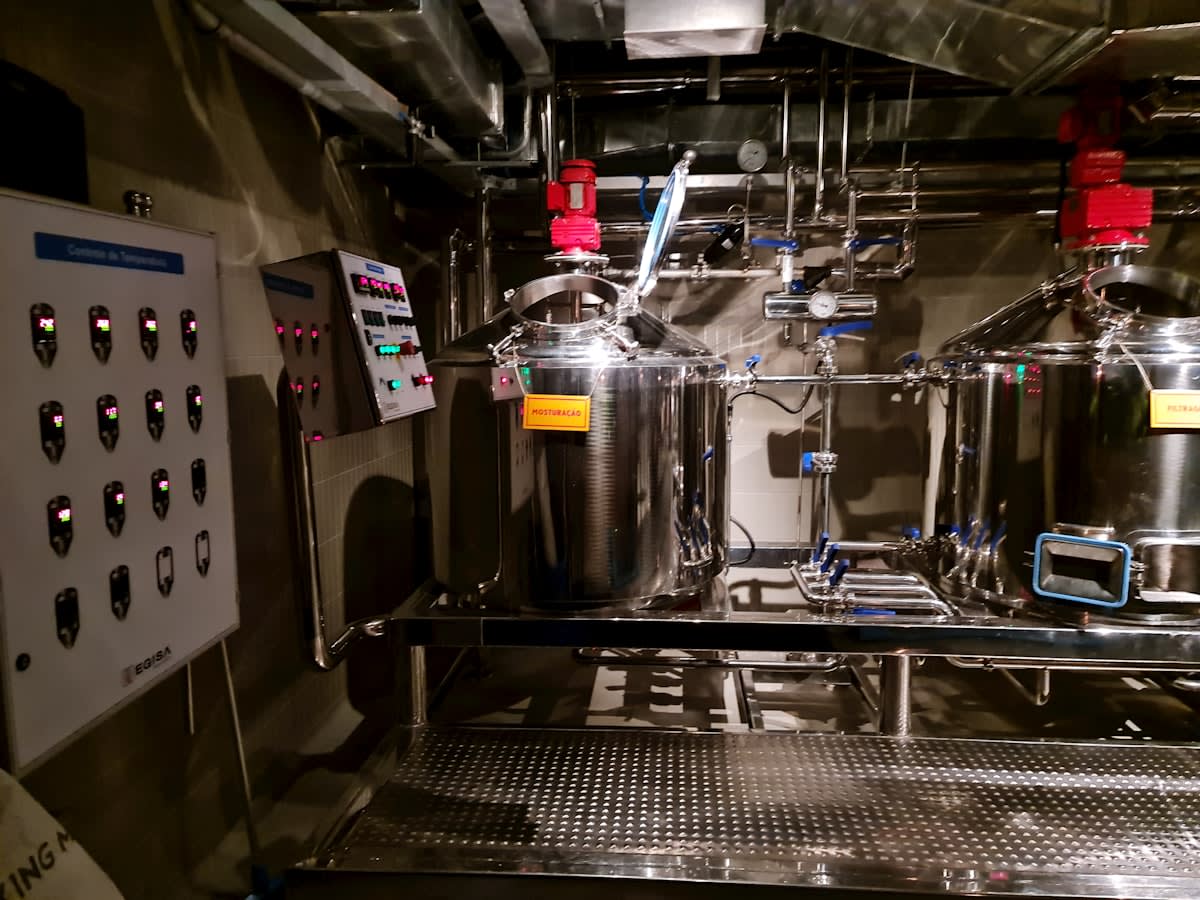
The economic argument for this shift is devastatingly simple. Traditional factories require astronomical capital expenditure (CapEx) to build the massive infrastructure needed for batch scales. In contrast, continuous lines can be housed in modular cleanrooms, often utilizing single-use technologies that eliminate the need for costly steam-in-place sterilization. By shrinking the bioreactor size while increasing the volumetric productivity, companies can achieve the same annual output in a facility that is a fraction of the size. This allows for a more agile response to market demand, moving production closer to the patient.
The Death of the Lot
In the batch world, the 'lot' is the unit of quality. You test the batch at the end, and if it passes, the whole lot is released. This creates a binary risk profile: total success or total failure. Continuous processing destroys this paradigm by introducing Process Analytical Technology (PAT). High-resolution sensors now monitor critical quality attributes (CQAs) in real-time, using Raman spectroscopy and mass spectrometry to adjust the process on the fly. If a deviation occurs, the system simply diverts a small fraction of the flow to waste, rather than scrapping a month's worth of work.
"The goal is no longer to test quality into the product at the end of the line, but to build quality into the process by design."— Industry Lead, Integrated Biomanufacturing Initiative
This transition is particularly visible in hubs like Singapore, where the focus has shifted toward 'Biopolis' style modularity. Rather than constructing monolithic plants, the region is investing in flexible shells that can be reconfigured as drug pipelines evolve. This approach treats the factory as software—upgradable and scalable—rather than as a static piece of real estate. The ability to pivot a production line from a monoclonal antibody to a recombinant protein in weeks rather than years is a strategic advantage that batch processing cannot match.
| Metric | Traditional Batch | Continuous Bioprocessing |
|---|---|---|
| Facility Footprint | Large (Multi-story) | Compact (Modular) |
| Product Consistency | Lot-to-lot variance | Steady-state uniformity |
| Lead Time | Weeks to Months | Days to Weeks |
| CapEx Intensity | High (Stainless Steel) | Low to Moderate (Single-use) |
| Waste Generation | High (Cleaning/Validation) | Lower (Optimized Feed) |
But why has the adoption been so slow? The answer lies in the regulatory comfort zone. For decades, the FDA and EMA built their validation frameworks around the concept of a 'batch'. Defining a batch in a continuous stream requires a new mathematical approach—defining it by time or by mass of raw material. However, the tide is turning. Regulatory bodies are now actively encouraging the adoption of continuous manufacturing to prevent drug shortages, recognizing that a flexible supply chain is a matter of national security.
Consider the impact on rare disease therapeutics. When treating a population of only a few thousand people globally, building a 10,000-liter tank is an absurdity. Continuous systems allow for 'right-sized' production, where a small-scale line can run 24/7 to meet a niche demand without the overhead of a massive facility. This democratization of production capacity lowers the barrier to entry for smaller biotech firms, shifting the power away from the 'Big Pharma' giants who own the largest tanks.
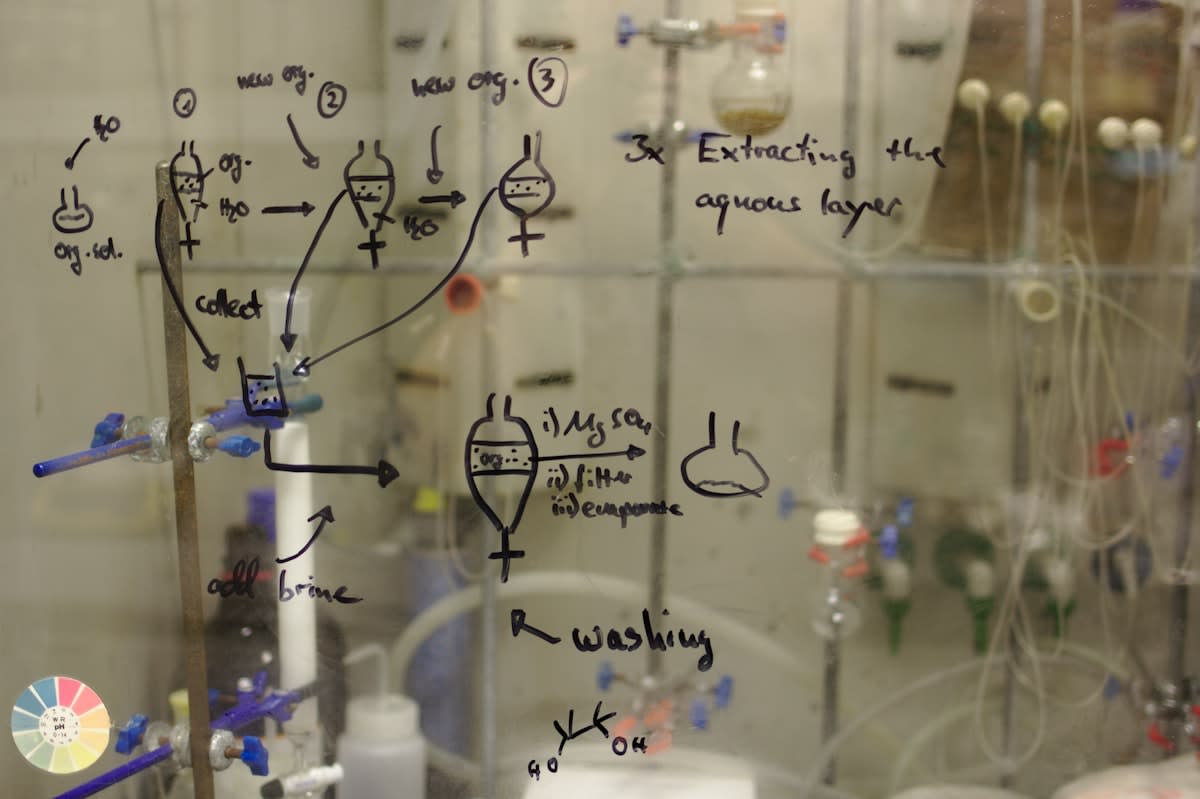
Beyond the hardware, the intellectual shift involves a move toward 'Quality by Design' (QbD). In batch processing, the operator is often reacting to what happened in the tank three days ago. In a continuous system, the feedback loop is seconds. This requires a workforce that is less about manual labor and more about data science and control theory. The operator is no longer a technician turning a valve; they are a systems engineer managing a complex, automated equilibrium.
We must also address the volatility of the global supply chain. The reliance on a few massive hubs in Ireland or the US creates a single point of failure. Continuous bioprocessing enables a decentralized model. Imagine a world where drug production happens in regional hubs—small, automated pods that can be deployed to South Korea or Brazil to produce biologics locally. This reduces the reliance on cold-chain logistics, which currently account for a significant portion of the cost and waste in biologic distribution.
The Efficiency Delta
The transition to continuous bioprocessing is estimated to reduce overall manufacturing costs by 40% to 50%, while increasing volumetric productivity by up to 10x in specific protein classes.
Does this mean the end of the large-scale factory? Not entirely, but it changes its purpose. The massive plants will likely become hubs for high-volume, low-margin generics, while the high-value, complex biologics move to continuous, modular lines. The strategic divide will be between those who cling to the efficiency of scale and those who embrace the efficiency of flow. The former is a bet on stability; the latter is a bet on agility.
The final hurdle is the 'sunk cost' fallacy. Companies have billions invested in existing stainless-steel infrastructure. Tearing that down to install modular continuous lines feels like an admission of failure. Yet, the cost of inaction is higher. As the industry moves toward personalized medicine and cell therapies, the rigid nature of batch production becomes an absolute bottleneck. You cannot produce a patient-specific therapy in a 20,000-liter tank.
The shift is quiet because it is happening inside the walls of R&D centers and pilot plants, away from the public eye. But once these continuous processes are validated at scale, the traditional drug factory will look as obsolete as the assembly lines of the early 1900s. The future of medicine is not found in the size of the vat, but in the precision of the flow.