
AI Executive Summary
"This guide addresses the critical mismatch between AI ambition and data quality in agriculture. It provides a strategic framework for building resilient data foundations and leveraging specialized hardware to ensure operational success."
The Mirage of Plug-and-Play AI
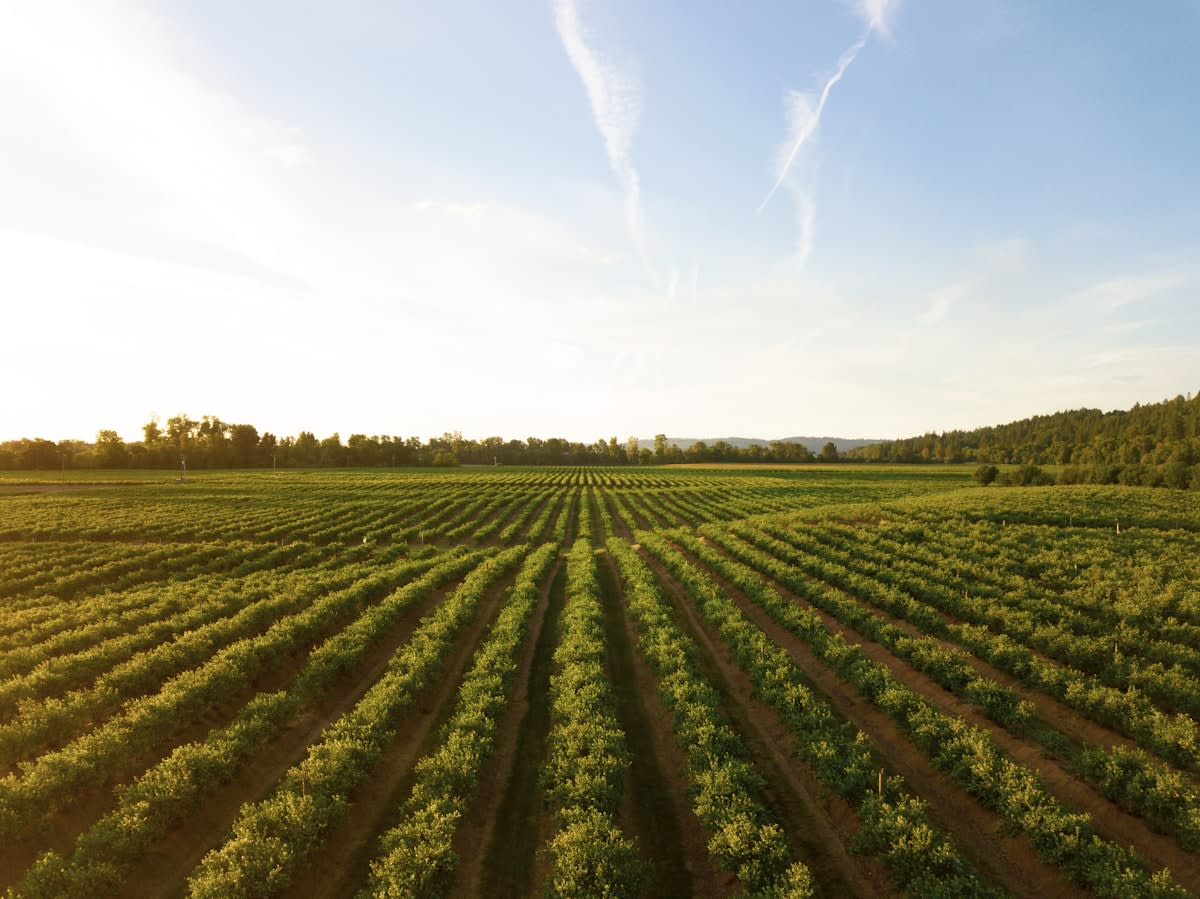
AI vendors sell a vision of effortless optimization, but the reality is far grittier. As noted by MIT Technology Review, these solutions are only effective if a clean, solid data foundation exists. Without it, you are simply automating errors. Does the system recognize that not all parts of a field are identical? If the AI treats a diverse landscape as a monolith, the resulting recommendations are, at best, imprecise and, at worst, damaging to the crop.
The Authority Trap
The risk is not the AI itself, but the authoritative tone of misleading outputs. When data is insufficient, AI generates confident but counterproductive instructions that can lead to systemic crop failure or livestock mismanagement.
Operational Prerequisites
Before deploying a single model, an operator must secure three critical pillars of infrastructure. Skipping these is an invitation to expensive failure.
- High-fidelity sensor arrays: Real-time data collection from cameras and equipment, particularly for livestock health and feed intake.
- NPU-enabled Edge Hardware: Dedicated AI processors (NPUs) to handle workloads locally, reducing reliance on unstable rural connectivity.
- Strategic Capital Access: Access to specialized credit facilities for regenerative transitions, similar to the €120 million facility secured by Estonia's InSoil.
Once the hardware and capital are in place, the focus moves from acquisition to the actual sequence of deployment.
Execution Protocols for AI Deployment
- Conduct a Data Integrity Audit: Validate that training data is sufficient and representative of specific field variations to avoid imprecise outputs.
- Deploy Specialized Livestock Monitoring: Integrate sensors and cameras to track beef cattle growth and convert feed data into adjusted diets.
- Implement Regenerative Financing: Use soil-health monitoring tools, such as those funded by Seqana's €3.2 million round, to qualify for sustainable lending.
- Integrate NPU-driven Workflows: Deploy laptops with dedicated NPUs, like the Dell Copilot+ series, to manage creative and analytical workflows without draining battery life in the field.
- Stabilize Local Computing Infrastructure: If running local data centers, install real-time liquid composition spectrometers to prevent bacterial growth in cooling systems, a solution pioneered by Omen AI with its $31 million investment.
The financial landscape for these technologies is diversifying rapidly, moving away from general VC and toward targeted, nature-based credit.
| Entity | Funding/Amount | Strategic Focus |
|---|---|---|
| InSoil (Estonia) | €120 million | Regenerative agriculture lending |
| Omen AI | $31 million | Data center liquid cooling sensors |
| Agriodor | €15 million | Crop biocontrol |
| Feldwerke | €12 million | Agri-PV infrastructure |
| Seqana | €3.2 million | Soil-health monitoring |
This capital flow is not limited to Europe. In Nigeria, the Central Bank has already identified responsible AI adoption as a strategic priority for the next phase of fintech development, mirroring the need for structured AI integration seen in the agricultural sector.
Common Pitfalls
- Over-reliance on vendor promises without verifying the accuracy and completeness of the underlying data foundation.
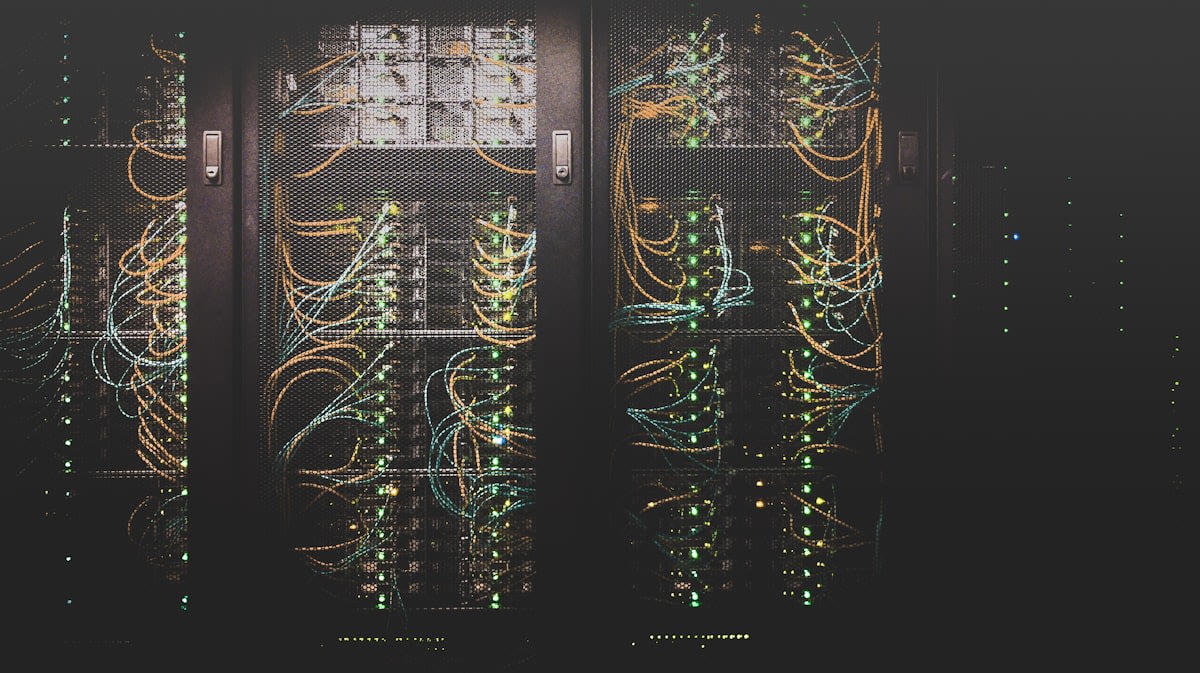
- Ignoring the physical constraints of AI hardware, such as the bacterial growth in liquid cooling systems that threatens data center stability.
- Deploying AI for feed efficiency without first establishing a baseline of animal growth and water usage patterns.
- Assuming a one-size-fits-all model for diverse field topographies.