
AI Executive Summary
"This article analyzes the strategic shift from general-purpose energy storage to application-specific high-density power solutions. It highlights the critical convergence of advanced battery chemistry and modular nuclear energy required to sustain the exponential power demands of AI and aviation."
Lithium-air batteries have arrived. Air Energy is targeting larger electric aircraft by utilizing oxygen to slash weight. This move breaks the energy density ceiling of standard lithium-ion. Such developments make long-haul electric flight a physics possibility rather than a simulation.
Intelligence Delta
The delta is clear: energy storage has moved from generic capacity accumulation to high-stress, application-specific density. Six months ago, the industry focused on Li-ion scaling; today, the focus is on chemistry that survives the physics of flight and the spikes of AI.
Powering the AI Engine
AI datacenters face spiky loads. SuperDielectrics is deploying Faraday batteries to stabilize these fluctuations. These cells outperform lithium-ion in sub-zero temperatures and high-power cycles. Reliability here prevents the catastrophic fires typical of traditional chemical storage.

Kuwait is digitizing the oil field. SLB secured a seven-year contract with KOC to optimize production via AI. Nearly 100 projects will test industrial IoT at scale. Operational impact remains the primary hurdle for these digital twins.
The Grid Stability Gap
Capital is fleeing execution risk. DLA Piper reports that only 14% of respondents find China the most attractive BESS market. Contrast this with the 25% favoring the US and 19% choosing the UK. Investors now prioritize regulatory clarity over raw market size.
| Market | Investment Attractiveness (%) |
|---|---|
| United States | 25% |
| United Kingdom | 19% |
| China | 14% |
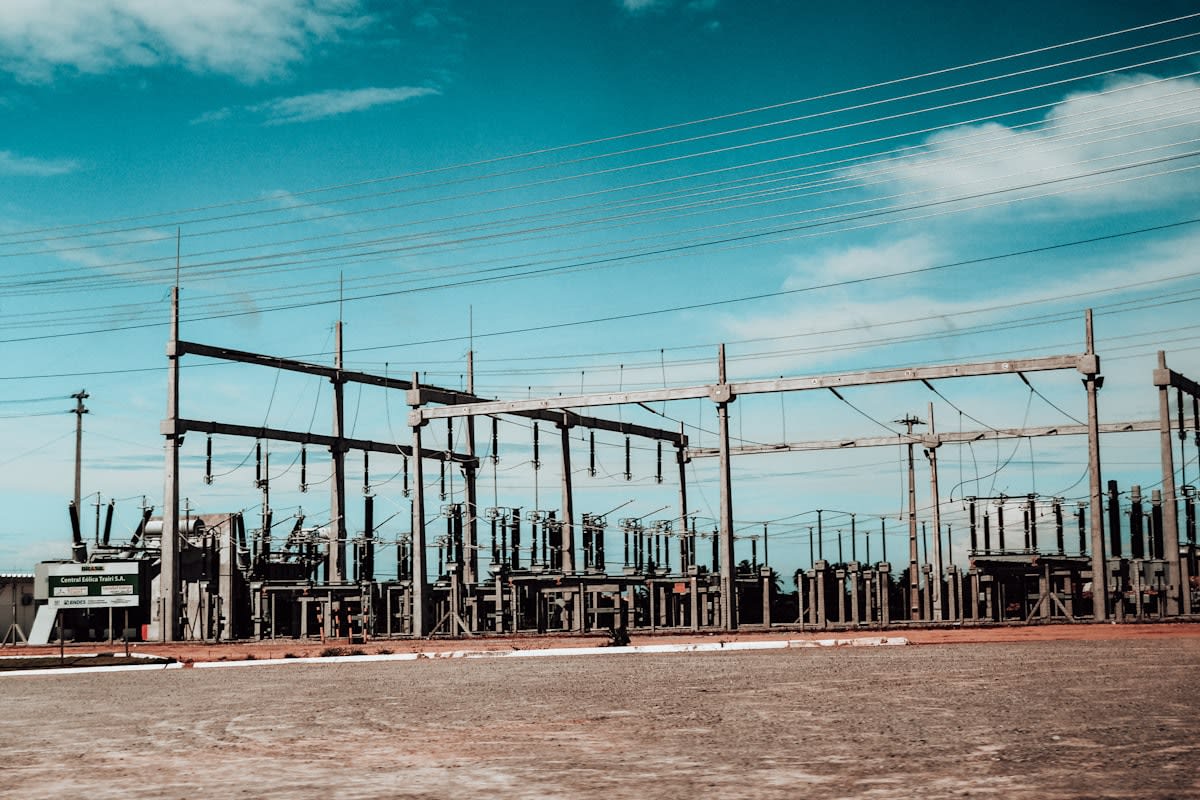
Massachusetts is piloting targeted load management. Eversource aims to counter a surge in small-scale solar that could hit 6.5 GW by the late 2030s. Stationary batteries and smart thermostats will absorb the excess. Grid stability depends on this granular control.
Baseload Nuclear Expansion
Nuclear baseload is scaling. X-energy just submitted its GDA application for the Xe-100 reactor in the UK. Centrica targets 6 GW of capacity through this partnership. High-temperature gas-cooled reactors provide the industrial steam that batteries cannot.
"The challenge is deploying it at scale and turning innovation into operational impact."— Olivier Le Peuch, CEO of SLB
Physics dictates the winner. Batteries handle the spikes, but modular nuclear handles the floor. Total energy security now requires a hybrid of high-density chemistry and advanced fission. Failure to integrate these will lead to localized blackout clusters.