
AI Executive Summary
"This article analyzes the systemic shift from centralized cloud computing to sovereign, on-premise AI infrastructure. It highlights the intersection of national security, energy constraints, and economic resilience in the race for local compute."
The End of the Cloud Monopoly
The narrative for a decade was simple: move everything to the cloud to scale. That era is dead. We are witnessing a violent correction. The centralization of compute is no longer a convenience; it is a strategic liability. Why would a nation or a high-stakes industry hand the keys to its cognitive engine to a handful of hyperscalers in Northern Virginia or Dublin?
Look at the healthcare sector. Visionary leaders are no longer content with the opaque pricing and shared risks of the public cloud. According to Forbes, these organizations are rapidly pivoting toward sovereign, on-premise compute infrastructure. The catalyst? Skyrocketing memory and GPU costs that have made the cloud a financial drain. But it is not just about the money. In a field where a hallucination can be fatal, on-premise systems offer the auditability and observability required to ensure patient safety.
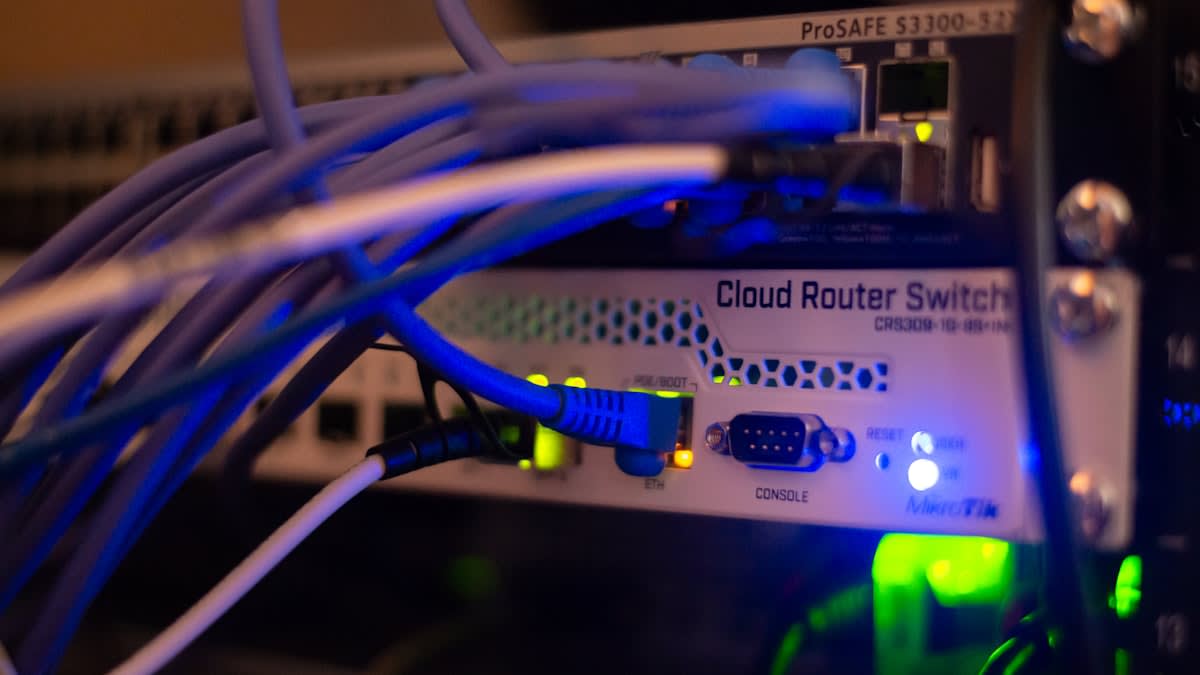
Geopolitics as a Compute Catalyst
National security is now measured in TFLOPS and sovereign data residency. The US is doubling down on this. On June 26, 2026, Oracle announced the expansion of its Defense Ecosystem, adding 10 new technology partners to its third cohort. This is not a mere partnership; it is a pipeline designed to accelerate the transition of mission-critical AI and autonomous systems from prototype to operational deployment on sovereign cloud infrastructure.
Contrast the American approach with the urgent necessity in Eastern Europe. On June 27, 2026, Kyivstar and VEON signed a Memorandum of Understanding with Ukraine's Ministry of Economy. Their goal is the development of domestic AI infrastructure. For Ukraine, sovereign data processing is not a luxury—it is a cornerstone of economic resilience and technological independence.
"The development of domestic AI infrastructure is an important step in strengthening Ukraine’s economic resilience and technological independence."— Oleksii Sobolev, Minister of Economy of Ukraine
This global divergence creates a fascinating opportunity. While Silicon Valley focuses on the next frontier model, the real value is migrating to the infrastructure that hosts these models locally.
The Political Friction of Silicon
But the rush to build local compute is hitting a wall of public resentment. In the United States, data centers have evolved from boring utility projects into political grenades. Newsweek reports that voter anger over AI infrastructure is now reshaping the political map heading into the November midterms. From Florida to Michigan and Pennsylvania, the 'data center backlash' is flipping seats.
What is driving this? Energy prices. The public has realized that the appetite of AI is consuming the grid, turning electricity costs into the primary face of affordability. When the local power bill spikes to fuel a GPU cluster that makes a few billionaires richer, the electorate reacts.
| Sector | Primary Driver | Strategic Pivot | Key Risk |
|---|---|---|---|
| Healthcare | GPU Costs & Patient Safety | On-Premise Sovereign Compute | High Initial CapEx |
| National Defense | Secure Innovation Speed | Oracle Defense Ecosystem | Integration Complexity |
| Ukraine Economy | Technological Independence | Domestic AI Infrastructure | Physical Infrastructure Security |
| US Public Sector | Energy Affordability | Political Backlash / Moratoriums | Infrastructure Stagnation |
The tension is palpable. While some call for a total moratorium on data centers to address job losses and wealth distribution, the government is attempting to regulate access. The Washington Post notes that the Trump administration's efforts to control ChatGPT access may be a fundamental misreading of AI threats, treating a systemic shift as a manageable security leak.
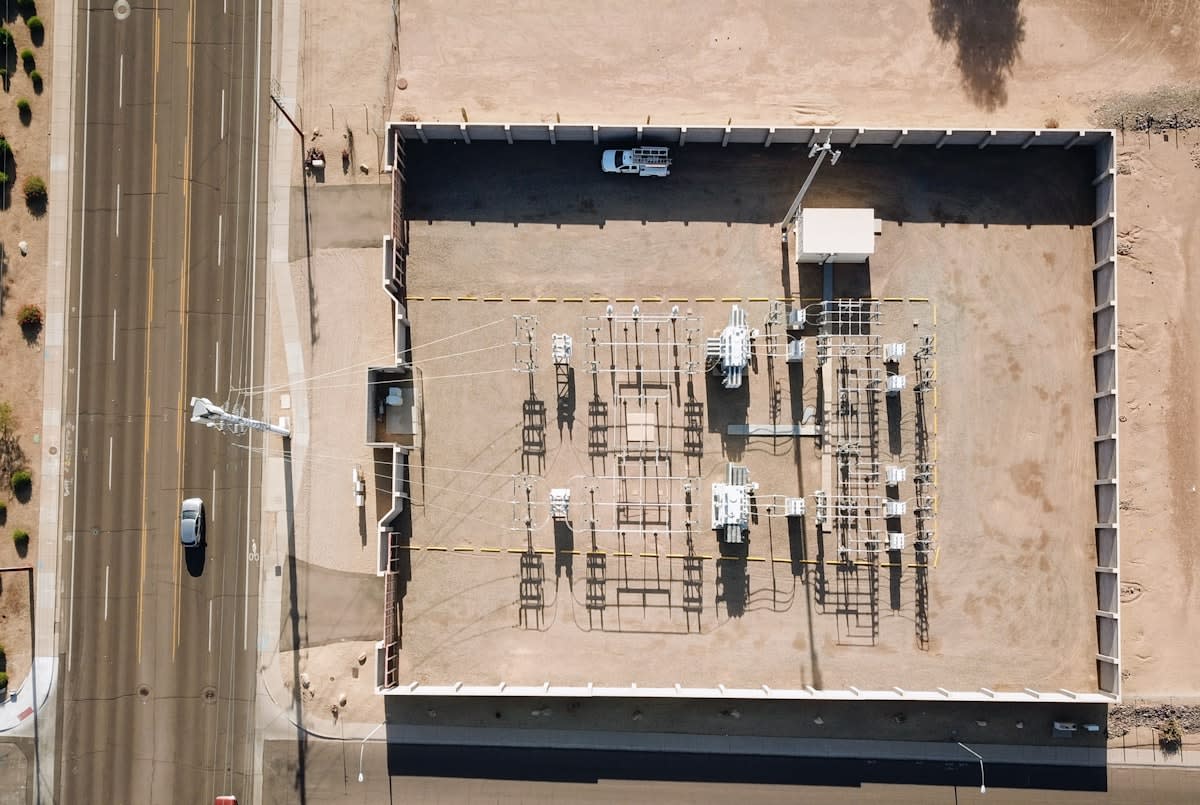
The Strategic Bottom Line
The winners of the next decade will not be those who build the largest models, but those who provide the most resilient, sovereign, and energy-efficient ways to run them.