AI Executive Summary
"This article provides a critical technical analysis of the thermal challenges facing high-density industrial solar projects in tropical climates. It leverages parallels between AI data center cooling and solar energy storage to outline a framework for preventing catastrophic thermal runaway."
Hardware Prerequisites
- Industrial-grade thermal management systems, specifically those produced in specialized hubs like the Vertiv facility in Johor, Malaysia.
- High-capacity inverter housing capable of withstanding the humidity profiles of Southern Vietnam.
- Ventilation conduits designed for rapid off-gassing during thermal events.
- Scale-appropriate energy storage capacities, referencing the 1.5 GWh benchmarks seen in high-density AI infrastructure projects.
- Heavy-duty mounting hardware for 28 MWp rooftop photovoltaic (PV) systems.
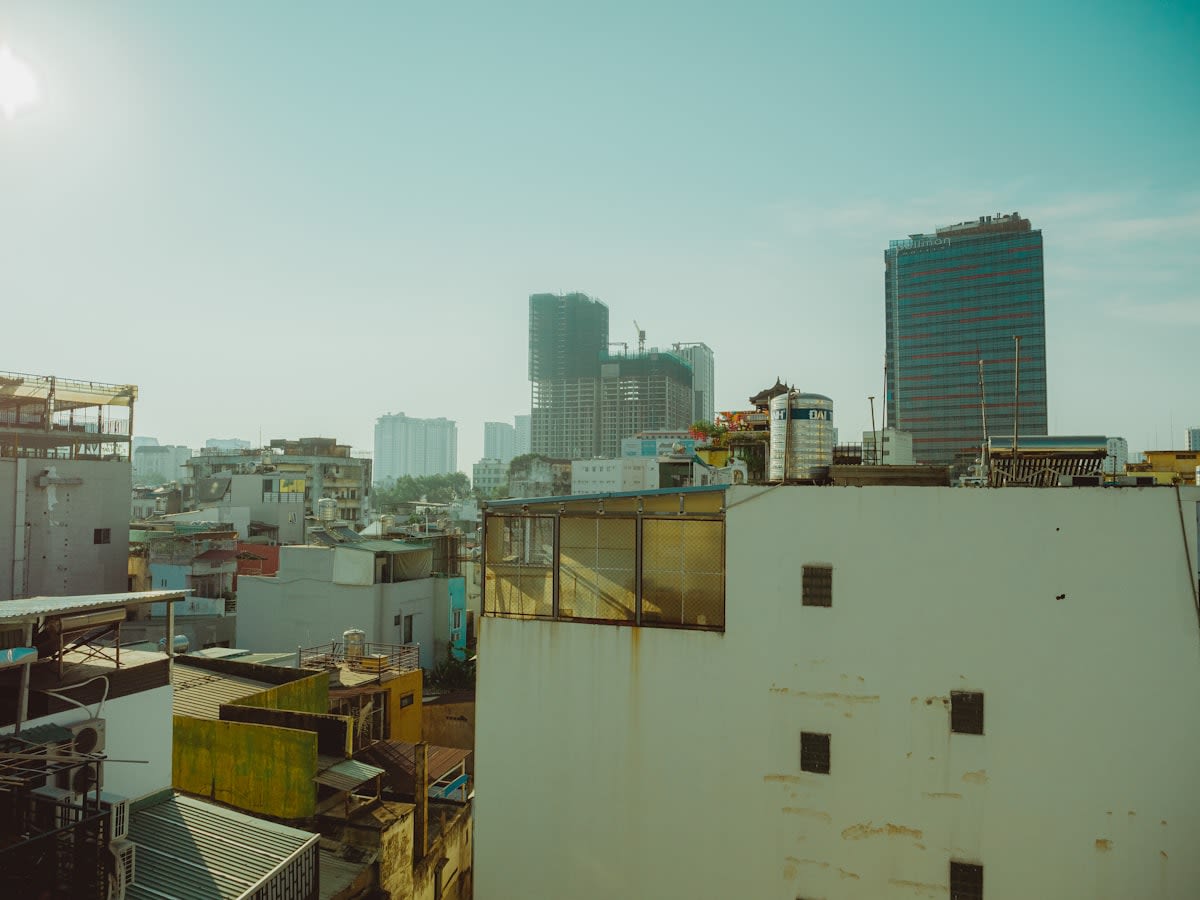
Heat is the primary killer of electrical assets. High-density deployments in Ho Chi Minh City, such as the 28 MWp rooftop solar project at the Samsung Electronics HCMC CE Complex (SEHC) commissioned on July 3, 2026, operate in a pressure cooker of humidity and ambient temperature. Moisture infiltrates seals. Once a thermal runaway event begins, the chemical fire feeds itself, melting casing and warping structural steel in seconds. Failure here is not a gradual decline but a violent mechanical event.
Local conditions dictate the hardware choice. Contrast the dry, stable heat of regional South Australia, where Firmus is developing 1.2 GW of renewable generation, with the stagnant, wet air of Vietnam. South Australian systems can rely on different cooling curves. HCMC installations face condensation risks that turn a simple firmware bug into a short circuit. These shorts then trigger the thermal cascades that destroy an entire inverter bank.

The Implementation Sequence
- Map the thermal load of the 28 MWp array against the specific rooftop airflow of the HCMC CE Complex.
- Procure thermal management hardware from high-density specialized facilities, such as the Vertiv Johor site, to ensure the cooling units can handle AI-scale heat loads.
- Install dedicated venting paths that lead away from primary structural supports to prevent melting during a cell breach.
- Calibrate the BESS (Battery Energy Storage System) to manage the intermittency of the 28 MWp input, utilizing the scale logic applied to the 1.5 GWh South Australian storage models.
- Pressure-test all seals against the specific humidity index of Ho Chi Minh City to prevent saltwater-mist corrosion.
- Implement a monitoring layer that triggers physical venting before the internal temperature hits the critical runaway threshold.
Precision in the cooling loop is everything. Vertiv's expansion into Johor, Malaysia, specifically for manufacturing thermal management for high-density computing, provides the exact hardware needed for these Vietnamese sites. AI data centers and large-scale solar hubs share the same enemy: concentrated heat. If the cooling fluid stops flowing for even three minutes, the internal components begin to liquefy. Copper traces peel from boards. The smell of ozone and burning plastic precedes a total system blackout.
Scaling requires a different mental model. Look at the Firmus agreement in South Australia, which links 600 MW of firm electricity to 1.5 GWh of battery storage. That ratio is the gold standard for stability. Applying this logic to the Samsung HCMC project means the storage must not only hold power but shed heat faster than the tropical sun can add it. Without this, the batteries become expensive bombs.
"This project marks a significant milestone in SEHC's transition toward renewable energy and demonstrates our shared commitment to building a more sustainable future."— Keunha HWANG, President of Samsung Electronics HCMC CE Complex
Commitment is fine, but physics is indifferent to goals. A 28 MWp system creates a massive energy throughput that generates significant waste heat. This heat accumulates in the gaps between the panels and the roof membrane. If the venting is insufficient, the roof surface itself can reach temperatures that degrade the PV cells' efficiency. Efficiency drops. Voltage spikes. The hardware begins to eat itself from the inside out.
| Metric | Samsung HCMC (Solar) | Firmus SA (BESS/Gen) | Vertiv Johor (Thermal) |
|---|---|---|---|
| Capacity | 28 MWp | 1.2 GW / 1.5 GWh | High-Density AI Scale |
| Primary Driver | Renewable Transition | AI Factory Campuses | AI Infrastructure |
| Thermal Risk | Tropical Humidity | Regional Arid Heat | Compute Density |
The Venting Imperative
When a BESS cell enters thermal runaway, it releases a cocktail of toxic gases. In a high-density HCMC rooftop environment, these gases can pool in ceiling voids, creating an explosive atmosphere. Specialized venting is the only way to move these gases out of the building before they ignite.
Infrastructure failure is usually quiet until it is loud. A small leak in a cooling pipe at a site like the SEHC complex might go unnoticed for weeks. Humidity masks the drip. Eventually, the fluid hits a high-voltage busbar. The resulting arc flash vaporizes the metal instantly. This isn't a glitch; it is a physical erasure of the equipment.
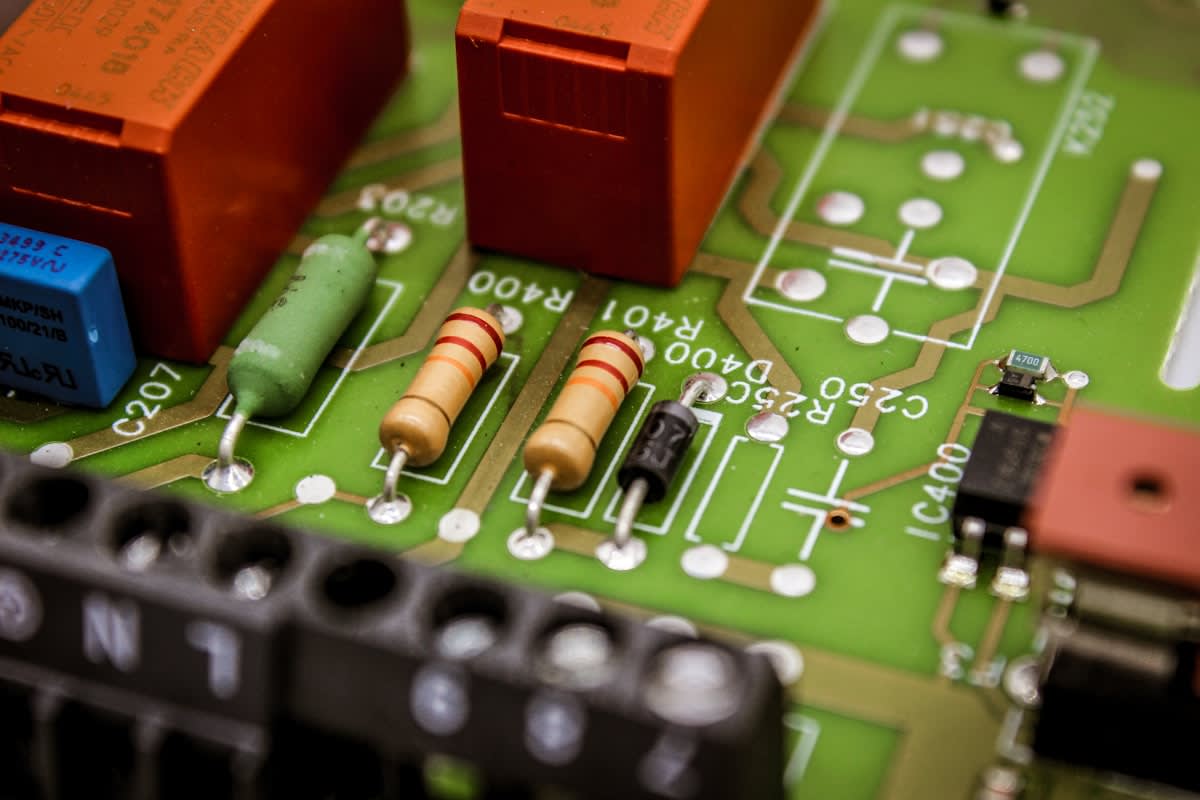
Comparing these systems reveals a stark truth about density. The 600 MW energy supply agreement in South Australia demonstrates that stability comes from massive over-provisioning of storage. Vietnam's 28 MWp projects cannot afford the same spatial luxury. They must pack more power into smaller footprints. This density increases the heat flux, making the thermal management solutions from Vertiv not just an option, but a requirement for survival.
Common Pitfalls
Underestimating the dew point is a rookie mistake. Engineers often design for peak temperature but forget the humidity swing. When the temperature drops at night in HCMC, moisture settles on the cooling fins. This creates a conductive layer that can lead to tracking currents. Tracking currents erode insulation. The insulation fails. The system shorts.
Ignoring the logistics of high-density venting is equally fatal. Many installers simply add more fans. Fans only move hot air around; they do not remove the heat from the building. Without a clear path to the outside atmosphere, you are just stirring a pot of boiling electronics. The hardware will eventually hit the thermal ceiling and shut down, or worse, ignite.
Over-reliance on software limits is a gamble. Digital sensors have lag. By the time a sensor in a 28 MWp array reports a critical overheat, the chemical reaction in the battery is already self-sustaining. Physical venting—actual holes in the walls and roof—is the only fail-safe. Relying on a cloud-based alert to save a burning building is a fantasy.