
AI Executive Summary
"This article provides a technical blueprint for mitigating sensor drift in tropical industrial environments through advanced vacuum isolation. It highlights the intersection of hardware precision, power stability via renewable energy, and the strategic necessity of localizing supporting industries."
Hardware Prerequisites
Humidity ruins precision. Water molecules migrate through substandard seals in the tropical climate of Ho Chi Minh City. This migration triggers sensor drift that renders high-accuracy measurements useless. High-vacuum isolation hardware stops the leak. Only stainless steel components and specialized elastomers survive the corrosive atmospheric load of the region.
- HV Control Gate Valves with bellows-sealed actuators
- Viton or Kalrez O-rings for high-temperature humidity resistance
- 316L Stainless Steel vacuum chambers
- ConFlat (CF) flanges with copper gaskets
- Ion pumps for maintaining ultra-high vacuum (UHV) levels
Power stability is the silent killer of vacuum integrity. Voltage drops cause pump stutter, which lets air back into the system. Samsung Electronics HCMC CE Complex addressed this by commissioning a 28 MWp rooftop solar project on July 3, 2026. This energy independence ensures that vacuum pumps maintain a constant pressure gradient. Without steady power, the most expensive gate valve is just a heavy piece of metal.
Deployment Sequence
- Degrease all flange surfaces using reagent-grade acetone to remove organic contaminants.
- Seat the copper gasket precisely in the CF flange groove to ensure a metal-to-metal seal.
- Torque the bolts in a star pattern to prevent flange warping and uneven pressure distribution.
- Install the HV control gate valve using a bellows-seal to isolate the actuator from the vacuum environment.
- Perform a helium leak test to verify the leak rate is below 1x10^-9 mbar l/s.
- Initiate a bake-out cycle at 150 degrees Celsius to drive off adsorbed water vapor from the chamber walls.
Seals fail. When Viton gaskets degrade under tropical heat, they allow atmospheric nitrogen to seep into the chamber. This infiltration alters the refractive index of the sensor environment. Resulting measurements deviate from the baseline. Calibration becomes a guessing game until the hardware is replaced.
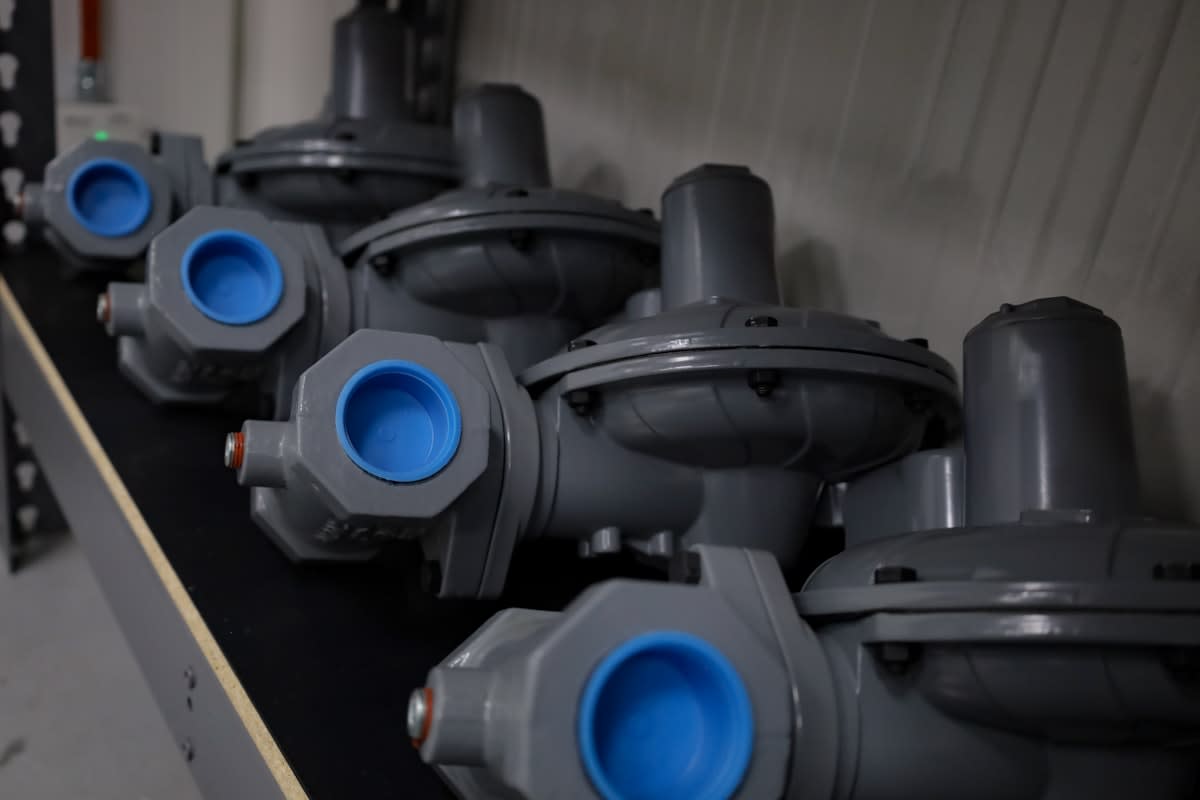
Localization is the only way to maintain these systems long-term. The Ho Chi Minh City Supporting Industry Association (HASI) highlighted this need during their July 2, 2026 forum. Relying on imported gaskets from Europe or Japan creates unacceptable downtime when a seal blows. Local manufacturing of high-precision vacuum components reduces the lead time for critical repairs. This shift increases the overall competitiveness of HCMC's industrial zones.
"Strengthening supporting industries is essential to enhancing Vietnam's industrial competitiveness, raising localisation and reducing reliance on imported inputs."— ITPC/HASI Forum, July 2, 2026
Global trends mirror these local needs. The United Kingdom's HV control gate valve market is projected to grow at a CAGR of 5-7% through 2035. This growth is driven by semiconductor fabrication and the need to upgrade aging vacuum infrastructure. HCMC is currently in the same cycle of infrastructure maturation. The goal is the same: stop the drift by hardening the physical barrier between the sensor and the air.
| Hardware Grade | Leak Rate (mbar l/s) | Sensor Drift Impact | Maintenance Interval |
|---|---|---|---|
| Industrial Grade | 10^-5 | High (Daily) | 30 Days |
| High Vacuum (HV) | 10^-8 | Moderate (Weekly) | 180 Days |
| Ultra-High Vacuum (UHV) | 10^-11 | Negligible | 365+ Days |
Thermal expansion creates gaps. Metals expand at different rates during the HCMC day-night cycle. This creates micro-leaks at the flange interfaces. Bellows-sealed valves absorb this movement without compromising the vacuum. Fixed-seal systems simply crack under the strain.

Mechanical Failure Modes
Gasket oxidation is a constant threat. High humidity accelerates the degradation of polymer seals. Once the polymer chains break, the seal loses its elasticity. The vacuum drops, and the sensor drifts. This process is invisible until the data starts lying to you.
Valve seizing occurs when particulates enter the actuator. Dust in HCMC industrial zones is pervasive. Without proper bellows isolation, this grit enters the valve seat. The gate fails to close fully. A partial seal is worse than no seal because it creates turbulent gas flows that destabilize the sensor.
Pro Tip: Lubrication
Never use silicone-based lubricants on vacuum flanges. They outgas in high-vacuum environments, creating a thin film on the sensors that causes permanent baseline drift.
Common Pitfalls
Over-torquing is a common mistake. Technicians often think tighter is better. Excessive force crushes the copper gasket and warps the flange. This creates a permanent leak path. Use a calibrated torque wrench and follow the manufacturer's specifications exactly.
Ignoring the bake-out process leads to failure. Water vapor clings to the inner walls of the chamber. This vapor slowly desorbs, mimicking a leak. Engineers mistake this for hardware failure. A proper 150 degree Celsius bake-out is the only way to clear the chamber of residual moisture.