AI Executive Summary
"This article highlights the critical dependency of AI on ruggedized hardware in high-stakes industrial environments. It provides a strategic roadmap for avoiding catastrophic failure by prioritizing edge intelligence and long-term physical pilots."
The Hardware Tax
Code is cheap. Dust, vibration, and heat kill servers in weeks. A factory floor in Spartanburg is not a climate-controlled data center. It is a chaotic mess of metal and grease.
- Industrial motherboards powered by Intel Core Ultra or Panther Lake processors
- Edge AI platforms capable of low-power, high-performance computing
- IIoT sensors and actuators for real-time machinery monitoring
- Humanoid chassis like the Figure 03 for physical parts sequencing
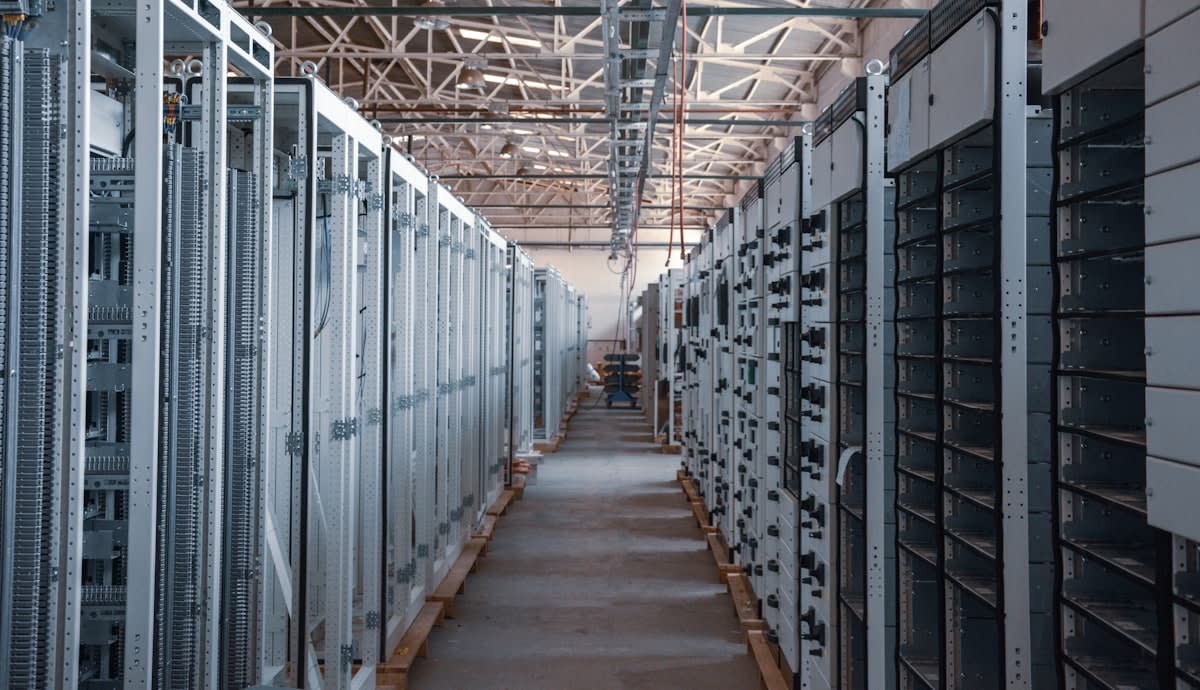
Intel Core Ultra processors power the new edge. These chips handle the load. Avalue builds the boards that keep them from frying. Without industrial-grade chassis, your AI is just a fancy paperweight.
Deploying the Machine
Software agents cannot move a physical part. You need a bridge between the digital logic and the heavy metal. This process is slow and usually involves things breaking.
- Install high-performance embedded platforms to handle Edge AI processing locally.
- Connect IIoT sensors to provide operational visibility into equipment and material flows.
- Integrate AI agent platforms like Plataine to analyze production constraints and recommend decisions.
- Deploy physical actuators or humanoid robots, such as the Figure 03, to automate sorting and sequencing.
- Unify production data across multiple lines using platforms like Sight Machine to prevent data silos.
"Our 11-month deployment of Figure 02 proved that humanoids are no longer lab experiments - they can be a valuable asset in establishing a flexible, reliable manufacturing workforce."— Brett Adcock, CEO of Figure AI

BMW did not just flip a switch. They ran an 11-month pilot with the Figure 02 before moving to the Figure 03. Patience is the only way to avoid catastrophic hardware failure.
The Oil Field Reality
Oil rigs are brutal. Salt air eats circuitry. GlobalData predicts a 79 billion dollar market by 2029 for IIoT in this sector. Money does not stop corrosion.
| Component | Corporate Dream | Industrial Reality |
|---|---|---|
| Processing | Cloud-based AI | Edge AI (Intel Panther Lake) |
| Movement | Digital Twin | Humanoid Robots (Figure 03) |
| Connectivity | Stable Wi-Fi | IIoT Sensors in Grease |
Data flows differently in a smart city than in a factory. Consider the BIOT-EMW framework for medical waste. It uses blockchain and CNN-based computer vision to classify waste at the edge. This is a far cry from a clean office environment.
Where the Gears Grind
Sensors choke on grime. Motherboards fry when the cooling fails. Most projects die because the engineer forgot that physics exists.
- Overestimating the lifespan of consumer-grade components in high-heat zones
- Ignoring the latency between an AI agent's decision and a robot's physical movement
- Assuming a digital twin accurately reflects a machine that has been vibrating for twenty years
- Deploying complex blockchain frameworks in environments with unstable power
Projected Industrial Internet Revenue in Energy Sector
Executive Insight
+18.4%
YTD Growth