
AI Executive Summary
"This article examines the systemic transition toward liquid biopsy-based cancer screening and its implications for global healthcare infrastructure. It evaluates the strategic tension between early detection capabilities and the capacity for confirmatory diagnostics."
The calendar for cancer screening has remained largely stagnant for decades, relying on a fragmented approach of mammograms, colonoscopies, and Pap smears. This month, that rigidity is fracturing. Multi-cancer early detection (MCED) tests are no longer trapped in the amber of academic trials; they are infiltrating the actual clinical workflow of high-net-worth healthcare sectors and state-funded pilots. We are seeing a sudden migration of diagnostic power from the imaging suite to the phlebotomy chair, shifting the detection window years earlier than previously possible for silent killers like pancreatic and ovarian cancers.
Twelve months ago, the conversation surrounding MCED was dominated by theoretical sensitivity and the fear of over-diagnosis. Today, the delta is clear: the focus has shifted from whether these tests work to how we manage the surge of positive results. In the last year, the scale of deployment has jumped from small-cohort validation studies to massive population-level trials. The urgency stems from a realization that waiting for symptomatic presentation is a losing game, especially for the 70% of cancers that currently lack any standardized screening protocol.
The Immediate Shift
The Delta: In 2023, MCED was a luxury curiosity for a few thousand early adopters. In 2024, we are witnessing the integration of these tests into national health frameworks, moving the needle from individual experimentation to systemic implementation.
At the core of this acceleration is the analysis of cell-free DNA (cfDNA) and methylation patterns. Rather than looking for a single mutation, these tests scan for epigenetic signatures—chemical tags on the DNA that act as a fingerprint for specific tissues. When a tumor sheds DNA into the bloodstream, the MCED test identifies not only that cancer is present but also the tissue of origin. This allows clinicians to bypass the traditional 'search and rescue' mission of full-body scans and move directly to targeted diagnostics in the suspected organ.
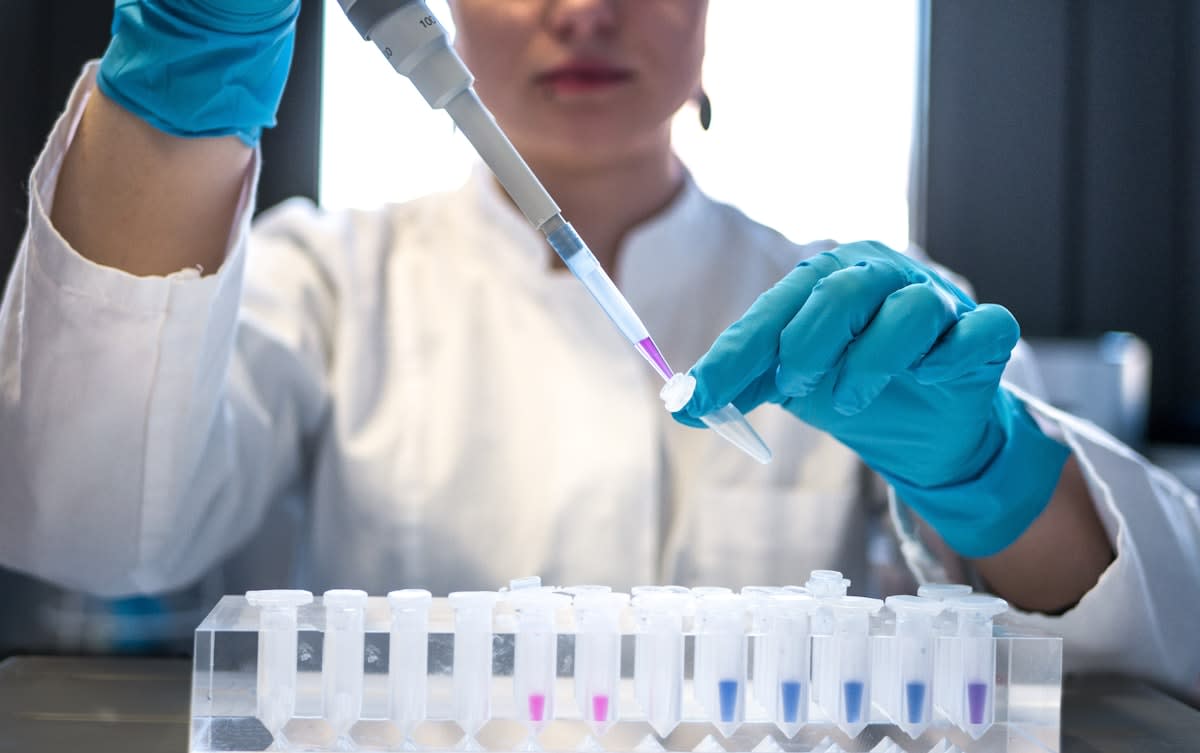
The United Kingdom is currently the primary theater for this rollout. The National Health Service (NHS) has launched one of the world's largest trials, enrolling approximately 140,000 volunteers to evaluate the efficacy of MCED tests. This is not a mere study; it is a stress test for the entire healthcare infrastructure. If a blood test can identify early-stage lung or esophageal cancer in a patient who feels perfectly healthy, the NHS must suddenly find the capacity to perform thousands of additional confirmatory biopsies and scans. The bottleneck has moved from the lab to the radiology department.
| Metric | Traditional Organ-Specific Screening | MCED (Liquid Biopsy) |
|---|---|---|
| Scope | Single Organ/Cancer Type | 50+ Cancer Types |
| Invasiveness | Variable (High for Colonoscopy) | Low (Simple Blood Draw) |
| Specificity | High (depends on test) | Typically >99% |
| Detection Window | Scheduled Intervals | Potential for Annual/Bi-Annual |
Across the Atlantic, the US market is navigating a different set of frictions. While the FDA maintains a rigorous path to approval, private insurers are facing immense pressure from patients demanding access to these tests. The tension lies in the cost-benefit analysis. A single MCED test can cost upwards of $900. Payers are questioning whether the cost of the test, combined with the subsequent diagnostic odyssey for every 'signal' detected, outweighs the long-term savings of treating cancer at Stage I rather than Stage IV.
"We are moving toward a world where your annual physical includes a molecular snapshot of your entire oncological risk, rather than just checking your cholesterol and blood pressure."— Lead Oncology Strategist, Global Health Initiative
Japan is also emerging as a critical node in this transition. With an aging population and a high incidence of gastric and colorectal cancers, Japanese clinics are integrating liquid biopsy screenings into executive health check-ups. This creates a tiered system where the wealthy access early detection years before the general population, raising profound ethical questions about the democratization of survival. Does a blood test become a luxury good, or a fundamental human right in the fight against malignancy?
One of the most unsettling aspects of this shift is the phenomenon of the 'Cancer of Unknown Primary' (CUP). Historically, doctors sometimes found a metastasis but could never find the original tumor. MCED tests are flipping this script. They are finding the signal of a tumor before the tumor is even visible on a CT scan. This creates a psychological limbo for the patient: knowing they have cancer, but not being able to see it yet. It forces a total redesign of the patient-doctor relationship, moving from 'wait and see' to 'track and intercept'.
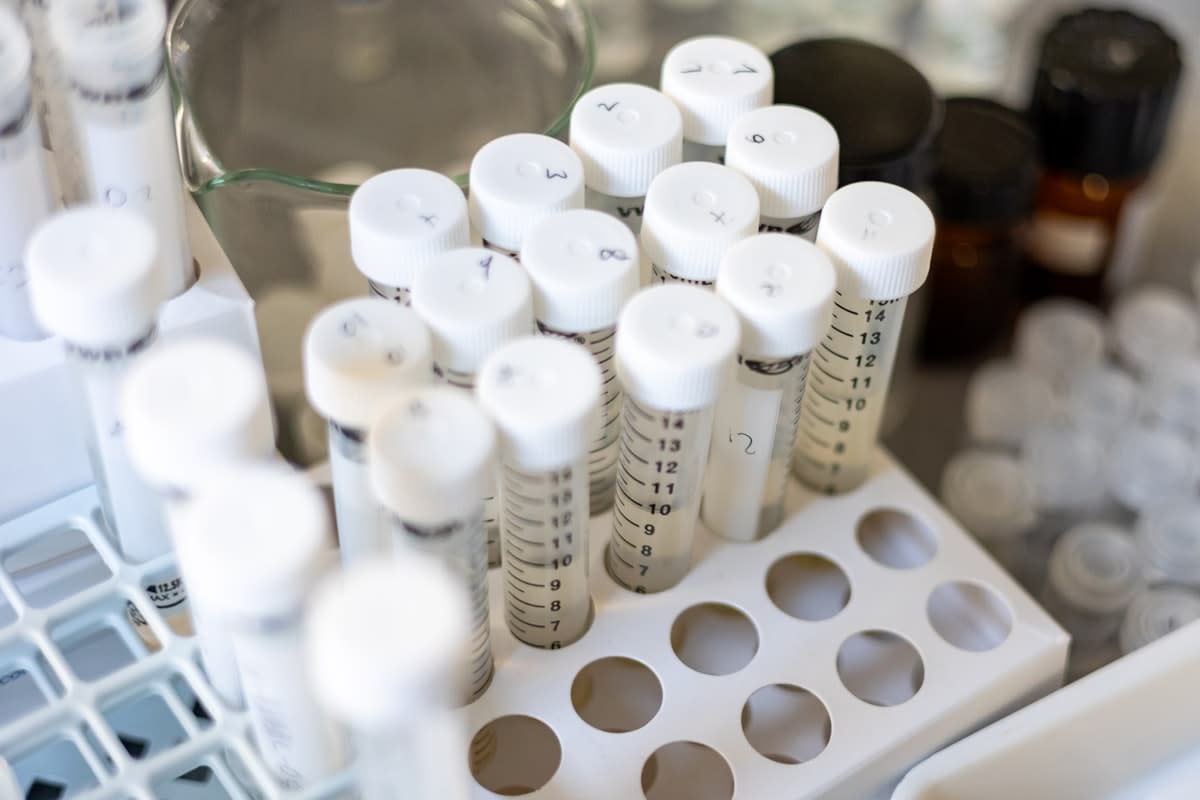
The technical hurdle remains the sensitivity for Stage I cancers. While MCED tests are exceptionally good at identifying advanced malignancies, their ability to catch the very first cluster of abnormal cells is still evolving. However, the current data suggests that for several high-mortality cancers, the sensitivity is already high enough to make a meaningful difference in survival rates. If we can move the detection of pancreatic cancer from Stage IV to Stage II, we aren't just improving a metric; we are fundamentally altering the life expectancy of thousands.
- Pancreatic Cancer: Historically undetectable until late stages; now a primary target for MCED.
- Ovarian Cancer: No current gold-standard screening; blood tests offer the first viable alternative.
- Esophageal Cancer: High mortality rates due to late detection; liquid biopsies provide a non-invasive trigger for endoscopy.
- Liver Cancer: Complementing ultrasound screenings for high-risk cirrhotic patients.
This transition is not without risk. The possibility of over-diagnosis—finding small, indolent tumors that would never have caused harm—could lead to unnecessary surgeries and toxic treatments. The medical community is currently debating the threshold for what constitutes a 'clinically significant' signal. We are essentially calibrating the sensitivity of a global alarm system in real-time, trying to balance the tragedy of a missed diagnosis against the trauma of an unnecessary operation.
The economic ripple effects are equally significant. We are seeing a surge in investment toward 'confirmatory diagnostics.' Since the MCED test is the trigger, the companies that provide the high-resolution imaging and robotic biopsies needed to locate the tumor are seeing a new demand cycle. The entire oncology value chain is being re-ordered around the blood draw, creating a new ecosystem of diagnostic interdependence.
Ultimately, the change happening this month is a shift in the philosophy of medicine. We are moving from reactive diagnostics to proactive surveillance. The timeline of cancer screening is no longer a set of age-based milestones, but a continuous stream of molecular data. For the global population, this means the end of the 'silent' phase of cancer. The question is no longer if the cancer is there, but when the blood will tell us.