
AI Executive Summary
"This article provides a strategic blueprint for transitioning CAR-T cell therapy from centralized hubs to modular, point-of-care manufacturing. It highlights how automation and regulatory shifts can reduce patient risk and operational costs while accelerating delivery of life-saving cures."
Prerequisites for Point-of-Care Manufacturing
Transitioning to a modular model requires more than just buying a bioreactor; it demands a reconfiguration of the clinical environment. The facility must support ISO Class 7 or 8 cleanroom standards, although the primary goal is to move toward 'ballroom' concepts where the equipment itself provides the sterility. You cannot rely on traditional cleanroom architecture if you intend to scale across multiple hospital sites. Instead, focus on the integration of closed-system processing units that encapsulate the entire cellular journey from leukapheresis to final formulation. This reduces the burden on facility HVAC systems and minimizes the risk of human-introduced contamination.
- Closed-loop automated bioreactors (e.g., CliniMACS Prodigy or equivalent)
- Automated cell counters and viability analyzers
- Validated cold-chain storage for viral vectors
- ISO-certified cleanroom space or specialized pods
- Digital chain-of-custody software integrated with hospital EMR
- Qualified personnel trained in GMP (Good Manufacturing Practice) in a clinical setting
Why does the current hub-and-spoke model fail? Because biological material is fragile. When a patient in rural Germany or a clinic in Osaka must have their T-cells flown to a central facility in another country, the risk of temperature excursion increases exponentially. Each hand-off in the logistics chain is a potential point of failure. By moving the manufacturing to the point of care, we eliminate the need for cryopreservation in the early stages, which often damages cell viability and prolongs the recovery time for the patient.
Executing the Modular Workflow
- Leukapheresis: Extract patient T-cells locally; immediately transfer the product into the modular unit without freezing.
- Selection and Activation: Use magnetic beads to isolate specific T-cell subsets and activate them using artificial antigen-presenting cells.
- Genetic Modification: Introduce the Chimeric Antigen Receptor (CAR) gene via viral vector transduction within the closed system.
- Expansion: Grow the modified T-cells in a controlled bioreactor environment, monitoring glucose and lactate levels in real-time.
- Harvest and Formulation: Wash the cells, concentrate them into the final infusion volume, and perform rapid sterility testing.
- Infusion: Administer the personalized therapy back to the patient, often within days of the initial extraction.
The transduction phase is the most volatile step in the process. In a centralized hub, this is handled by a small team of specialists. In a modular setting, the automation must be absolute. The viral vector—the vehicle that delivers the new genetic instructions—must be precisely dosed and mixed. Any variance here leads to inconsistent CAR expression, which directly correlates to the efficacy of the treatment. This is why the closed-system approach is non-negotiable; it removes the variability of manual pipetting and open-air transfers that plague older manufacturing methods.
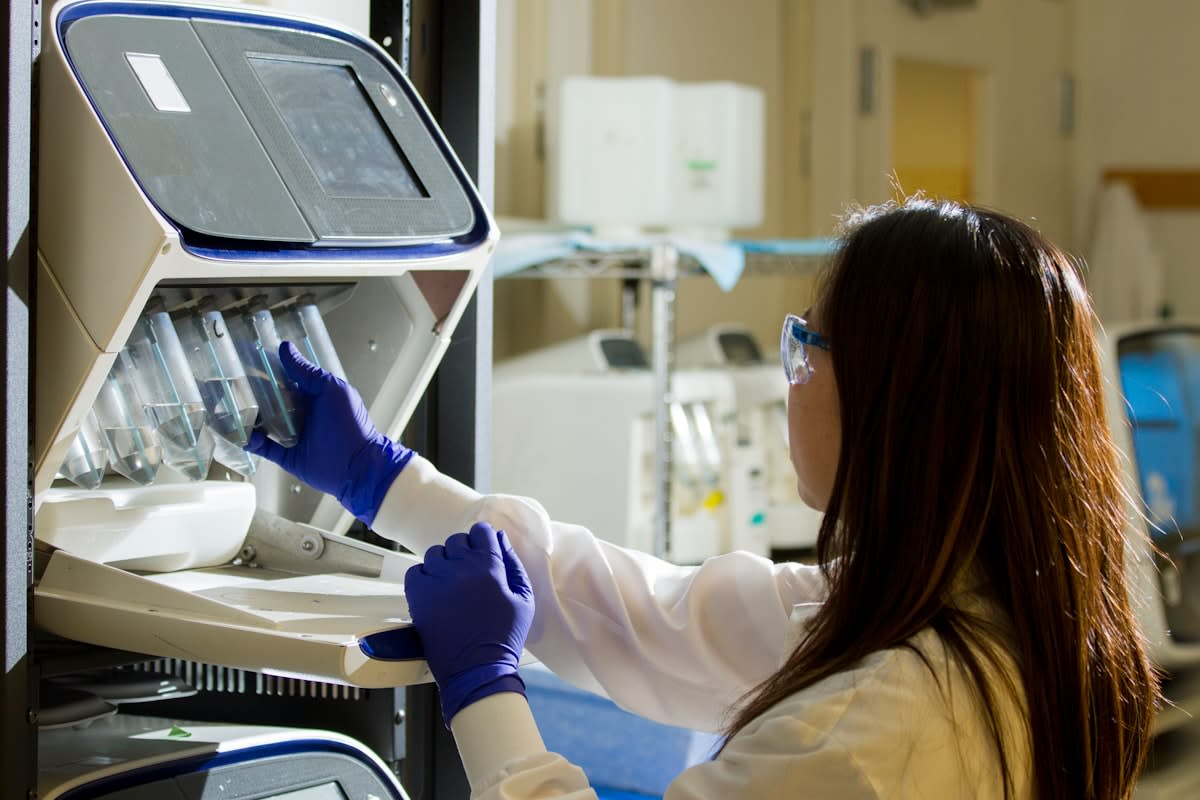
Can we trust a hospital-based lab to maintain the same rigor as a dedicated pharmaceutical plant? The answer lies in the software. Modern modular units utilize digital twins and remote monitoring. A central quality control hub can monitor the metabolic markers of a batch in Japan from a headquarters in Switzerland. This hybrid approach allows for local execution with global oversight, ensuring that every dose meets the same rigorous potency and purity standards regardless of where the bioreactor is physically located.
| Metric | Centralized Hub | Modular Point-of-Care |
|---|---|---|
| Vein-to-Vein Time | 21-35 Days | 7-14 Days |
| Logistics Risk | High (Multi-modal transport) | Negligible (Intra-hospital) |
| Cell Viability | Lower (due to cryopreservation) | Higher (fresh processing) |
| Cost per Dose | $300k - $500k | $150k - $250k (Projected) |
Regulatory bodies like the EMA in Europe and the PMDA in Japan are beginning to recognize that the 'product' in CAR-T is not just the cells, but the process itself. This is a fundamental change in how we view drug approval. Instead of approving a static batch of chemicals, regulators are moving toward approving the validated modular process. If the machine, the reagents, and the software are the same, the output is considered consistent. This regulatory flexibility is what will eventually allow CAR-T to move from a last-resort treatment to a first-line therapy.
"The bottleneck in personalized medicine is not the science of the gene edit, but the physics of the logistics. If we cannot move the lab to the patient, we will never scale these cures."— Dr. Elena Vance, Cell Therapy Lead
Automation reduces the 'human tax'. In traditional manufacturing, the cost of labor and cleanroom maintenance accounts for a significant portion of the final price tag. By utilizing modular units that require minimal intervention, hospitals can operate these systems with a fraction of the staff. The focus shifts from manual labor to data analysis. The operator becomes a monitor, intervening only when the system flags a deviation in the growth curve of the T-cells.
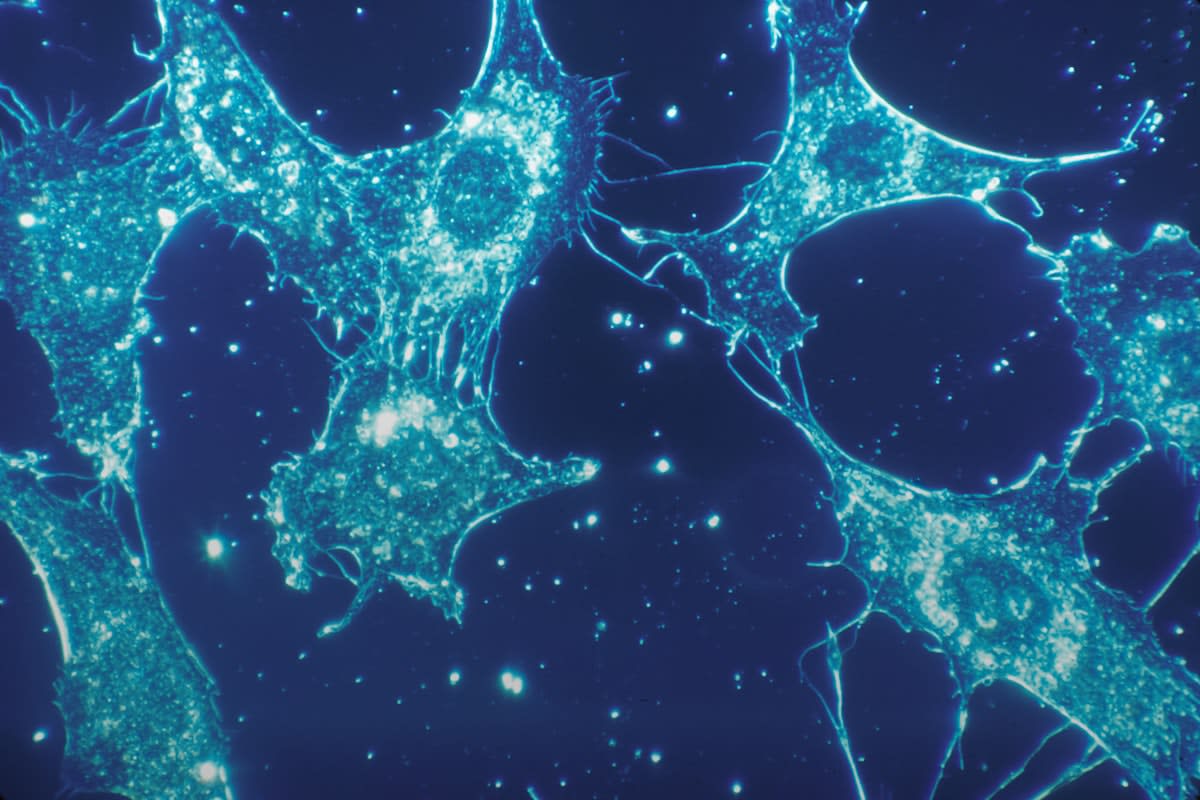
Managing the vein-to-vein time is the ultimate KPI. For a patient with rapidly progressing leukemia, a 30-day wait for a centralized hub is an eternity. Reducing this to 10 days via modular manufacturing doesn't just improve efficiency; it saves lives. It allows for a more agile treatment window, where the physician can adjust the lymphodepletion regimen based on the real-time progress of the cell expansion in the bioreactor.
Common Pitfalls in Modular Scaling
The most frequent failure in modular adoption is the underestimation of the 'last mile' of quality control. While the bioreactor is closed, the sampling for sterility and potency tests often involves opening the system or using ports that can be contaminated. Many sites fail because they treat the modular unit as a 'black box' and neglect the rigorous aseptic technique required for the final formulation and filling steps. A single contamination event doesn't just ruin a batch; it can shut down the entire local operation for weeks of investigation.
Chain of custody errors are the second most critical risk. When manufacturing is decentralized, the risk of a labeling error increases. We are dealing with autologous therapies—meaning the cells belong to a specific individual. Infusing Patient A's cells into Patient B is a fatal error. Relying on manual logs is insufficient. Every modular unit must be linked to a biometric or RFID-based tracking system that locks the bioreactor unless the patient's ID is verified against the digital record.
Finally, there is the trap of 'scale-out' versus 'scale-up'. Centralized hubs try to scale up by building larger tanks, but personalized therapy requires scaling out—adding more small units. Organizations often try to apply industrial factory logic to a clinical setting, leading to overcrowded labs and inefficient workflows. The goal is not to build a factory in a hospital, but to integrate a precision tool into a clinical workflow. This requires a cultural shift among hospital staff, who must now operate as both clinicians and GMP manufacturers.
Expert Pro Tip
Always perform a 'dry run' with non-patient cells to validate the local software integration and courier hand-offs before the first live patient batch. The cost of a failed validation run is negligible compared to the cost of a lost patient dose.