
AI Executive Summary
"This guide provides a strategic blueprint for transitioning from generic AI tools to a systemic data architecture in agriculture. It highlights the critical intersection of digital identity, financial inclusion, and resource management to ensure long-term food security."
Prerequisites for a Digital Field
Most operators treat ag-tech like a lottery ticket. They buy a subscription to a trendy AI tool and hope for a miracle. Real resilience doesn't come from a chatbot; it comes from an integrated data architecture. Before you touch a single piece of AI software, you need the foundational plumbing: verified identity, mapped resources, and standardized metrics.
- A verified digital identity for every land parcel and operator (The Registry Model).
- Interconnected financial interfaces for instant credit and relief disbursement.
- A precise groundwater map identifying the overlap between digital infrastructure and aquifer access.
- A harmonized framework for regenerative metrics to track Scope 3 emissions.
Why do we keep relying on self-reported data? In India, the government stopped guessing. By linking a farmer registry to the RBI's Unified Lending Interface (ULI), Maharashtra disbursed over 14,000 crore in disaster relief to 89 lakh farmers in just five days in February 2026. That is not a tech miracle; it is an operational victory.
Operationalizing the Tech Stack
- Establish a Single Source of Truth: Replace self-reported field data with a digital identity registry. This eliminates the risk of multiple loans on the same piece of land and ensures traceability.
- Prioritize Integrated AI over Generic Models: Stop using generic LLMs for business decisions. While 48 percent of farmers use generic AI weekly, only 24 percent trust their recommendations. Transition to AI features integrated directly into your existing ag-platforms to bridge the trust gap.
- Audit the Water-Energy Nexus: Map your facility against local groundwater reserves. As seen with the Ogallala Aquifer in Texas and Wyoming, AI data centers are competing for the same water that sustains crops. If your tech stack consumes the water your crops need, you are not innovating; you are cannibalizing.
- Implement Regenerative Tracking: Adopt a practical framework like the Regenerating Together Programme (RTP). Define common metrics for soil health and decarbonization rather than using vague sustainability claims.
- Formalize Supply Chain Coalitions: Move beyond bilateral contracts. Follow the lead of the 4th CISCE in Beijing, where a coalition including COFCO, Cargill, and Syngenta released a Joint Initiative to share best practices and strengthen risk resilience.
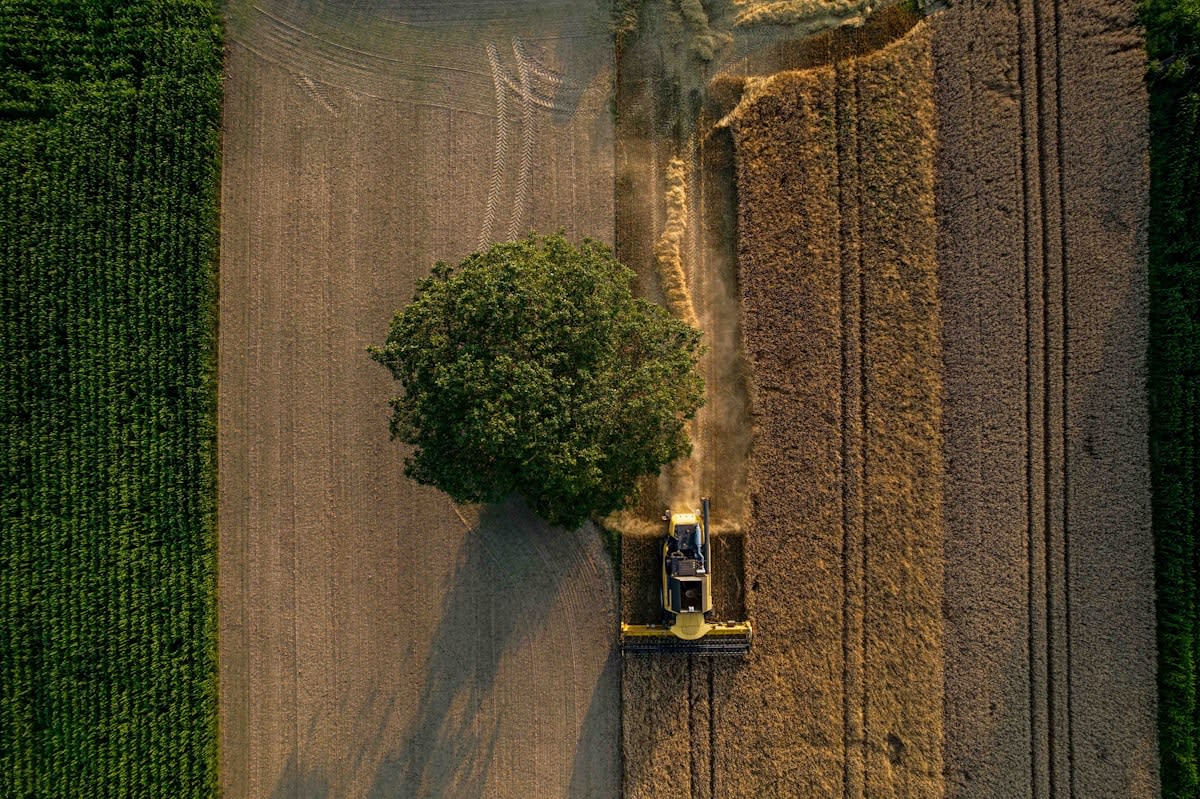
The friction between digital growth and physical survival is becoming impossible to ignore. We are seeing a strange paradox where the tools meant to save the farm are physically threatening the water table.
The Physical Cost of AI
The Ogallala Aquifer crisis proves that AI is not 'cloud-based'—it is water-based. Proposed data centers in Texas and Wyoming are sitting directly atop one of the US's most critical groundwater systems, forcing a choice between the digital economy and agricultural survival.
| AI Tool Type | Weekly Usage Rate | Trust Level |
|---|---|---|
| Generic AI (ChatGPT/Gemini) | 48% | Low/Unspecified |
| Integrated Ag-Platform AI | 39% | Higher (Contextual) |
| Ag Retailer AI Recommendations | 38% | 60% Low or No Trust |
Trust is the only currency that matters in the field. If the operator doesn't trust the data, the most expensive sensor in the world is just a paperweight. This is why the move toward regenerative agriculture is less about ecology and more about economic survival.
"Nestlé aims to source 50% of its key ingredients from farmers adopting regenerative agriculture practices by 2030."— Nestlé Corporate Commitment

Common Pitfalls
- Over-reliance on Generic AI: Using non-specialized models for operational decisions leads to a trust deficit (as evidenced by the 24% trust rate in Iowa).
- Ignoring the Water Footprint: Scaling digital tools without auditing the local aquifer's capacity.
- Data Siloing: Failing to link field data to financial interfaces, leaving farmers dependent on slow, self-reported credit applications.
- Vague Sustainability Metrics: Implementing 'green' initiatives without a harmonized framework like the RTP.