
AI Executive Summary
"This guide provides a technical blueprint for achieving strategic autonomy by identifying pricing power shifts and mitigating operational fragility. It analyzes the intersection of HBM memory markets, agricultural AI, and climate-driven logistics to ensure resource resilience."
Prerequisites for Supply Chain Sovereignty
Securing a position of strength in the current global market requires more than just procurement contracts. It demands an architecture of risk intelligence and a deep understanding of where pricing power actually resides. Whether dealing with high-bandwidth memory or whey protein concentrate, the objective is to move from a reactive buyer to a strategic partner before the market tightens.
- AI-native risk intelligence platforms (e.g., Quantifind's localized risk capabilities) to monitor financial threats and regulatory shifts.
- Real-time climate telemetry for logistics corridors, specifically for El Niño-impacted zones like the Panama Canal.
- Granular margin analysis of upstream suppliers to identify who holds the leverage.
- Direct access to seed technology and crop breeding data to anticipate agricultural yields.
Once these tools are in place, the focus must turn to the specific protocols of acquisition. The disparity between supplier margins and buyer margins is the first indicator of where the risk lies.
Protocol 1: Securing High-Margin Hardware
The current memory market reveals a stark divide in power. Micron Technology has demonstrated an aggressive strategy by locking in 16 customer agreements worth approximately $100 billion, ensuring floor margins remain above any previous memory cycle peak. This leaves hardware assemblers like Apple vulnerable to margin compression.
| Company | Gross Margin | Supply Chain Position |
|---|---|---|
| Micron | 84.9% | Upstream Component Provider |
| Apple | 46.9% | Downstream Hardware Assembler |
- Audit upstream supplier margins to determine if the provider is extracting disproportionate value.
- Negotiate floor-margin agreements during low-cycle periods to avoid the volatility seen in the 2026 iPhone 18 mass build window.
- Diversify component sources to prevent a single provider from extorting the supply chain.
- Integrate AI-native risk intelligence to predict when pricing power will shift back to the buyer.
Hardware is only one facet of the volatility. The same principles of capacity lag apply to the biological and agricultural sectors, where the time to scale is measured in years, not quarters.
Protocol 2: Scaling Biological and Agricultural Inputs
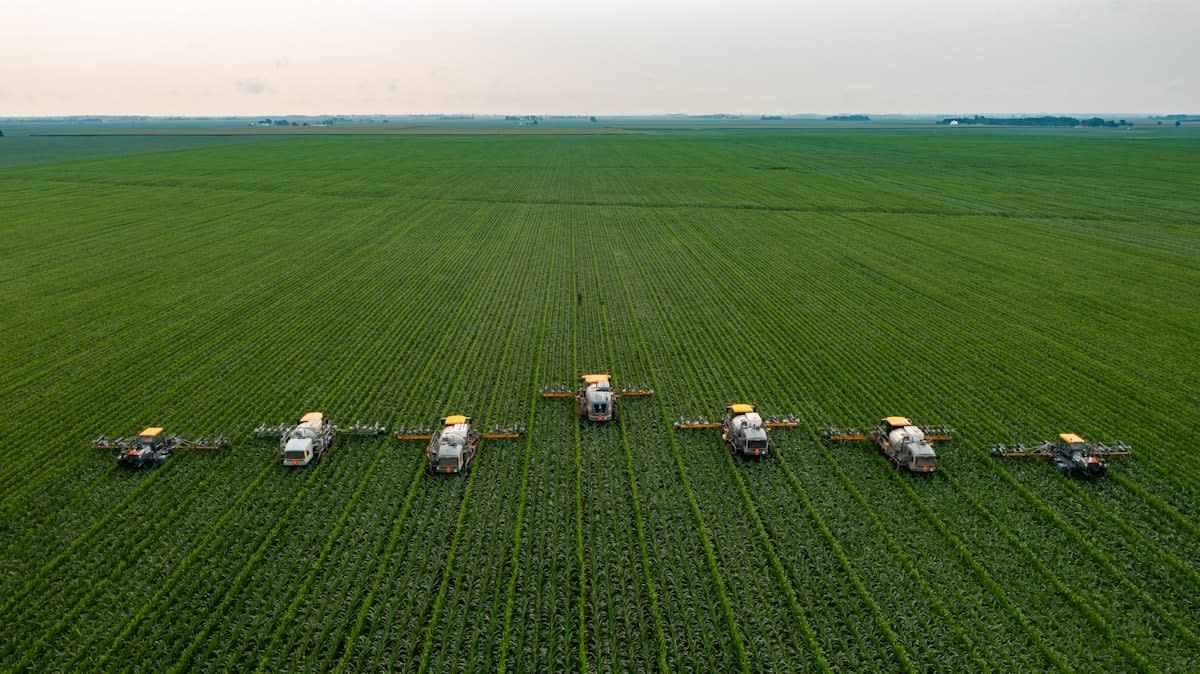
The US dairy industry currently struggles to meet protein demand, exacerbated by the rise of GLP-1 drugs which increase the need for protein to offset muscle loss. Because processing plants were built for steady growth, they cannot scale rapidly. Contrast this with the Chinese model, where companies like McCain Foods and CP Group integrate cold-chain logistics and AI-accelerated crop breeding to dominate global markets.
- Invest in integrated cold-chain logistics to reduce spoilage and increase market reach across Asia and Europe.
- Adopt AI-driven crop breeding to accelerate yield improvements, mirroring the Syngenta Group China approach.
- Establish long-term partnerships with local farmers to build competitive manufacturing bases rather than relying on spot markets.
- Deploy autonomous machinery with integrated agronomic intelligence to maintain yields during extreme weather events (e.g., 41.5 degree Celsius heatwaves).
Even with secured production, the physical movement of goods remains the ultimate bottleneck. Climate events are no longer outliers; they are systemic risks.
Protocol 3: Mitigating Environmental Logistics Disruptions
El Niño is currently reshaping global shipping, with tropical storms in Central America impacting the Panama Canal and extending to Australia. While vessel punctuality reached 64.7% in May 2026, the average delay remains nearly a day, creating a fragile equilibrium.
Shipping Punctuality Trends 2026
Executive Insight
+18.4%
YTD Growth
- Shift from just-in-time to just-in-case inventory buffers for routes passing through the Panama Canal.
- Utilize intelligence platforms like Sofar Ocean to track El Niño intensity and adjust transit times in real-time.
- Diversify carrier portfolios to avoid over-reliance on single-route punctuality.
- Implement AI-native risk intelligence (e.g., Quantifind) to monitor the financial health of logistics partners during climate crises.

Common Pitfalls in Resource Acquisition
- Over-reliance on historical growth patterns: The US dairy industry's failure to scale protein processing is a direct result of planning for steady growth rather than volatile demand spikes.
- Ignoring upstream margin signals: Failing to notice a supplier's 80%+ gross margin until the contract renewal window closes.
- Underestimating climate lag: Assuming that shipping punctuality (64.7%) is a sign of stability rather than a fragile peak before El Niño intensifies.
- Fragmented intelligence: Using separate tools for financial risk and climate risk instead of an integrated AI-native platform.
Market Signal
Quantifind's recent $200 million growth round (bringing total funding to $320 million) underscores the market's urgent demand for localized, AI-native risk intelligence to combat these emerging financial and regulatory threats.