
The price tag for a single dose of a gene therapy can exceed two million dollars. This financial wall makes life-saving medicine a luxury for the few, leaving millions of patients with rare genetic disorders in a state of therapeutic limbo. But a quiet reorientation in Southeast Asia's manufacturing corridors is dismantling this barrier. We are seeing a transition from mass-market biologics to high-precision, low-volume production that targets the most neglected patient populations.
Twelve months ago, the regional conversation focused almost entirely on vaccine sovereignty and large-scale biosimilar production. Today, the focus has sharpened. The delta is clear: the region is no longer content with being the world's pharmacy for generics. Instead, Singapore, Malaysia, and Thailand are aggressively building Good Manufacturing Practice (GMP) infrastructure specifically tailored for orphan drugs. This is not a gradual evolution; it is an urgent response to the global failure of the traditional pharmaceutical pricing model.
The CAPEX Collapse via Modular Design
Traditional bio-manufacturing requires massive, fixed-steel facilities that take years to build and hundreds of millions to fund. This rigidity is the enemy of rare disease treatment, where batch sizes are tiny and patient needs are hyper-specific. Southeast Asian hubs are bypassing this by adopting single-use technology (SUT) and modular cleanrooms. These 'ballroom' style facilities allow operators to swap production lines in days rather than months, drastically reducing the initial capital expenditure required to start a new drug run.
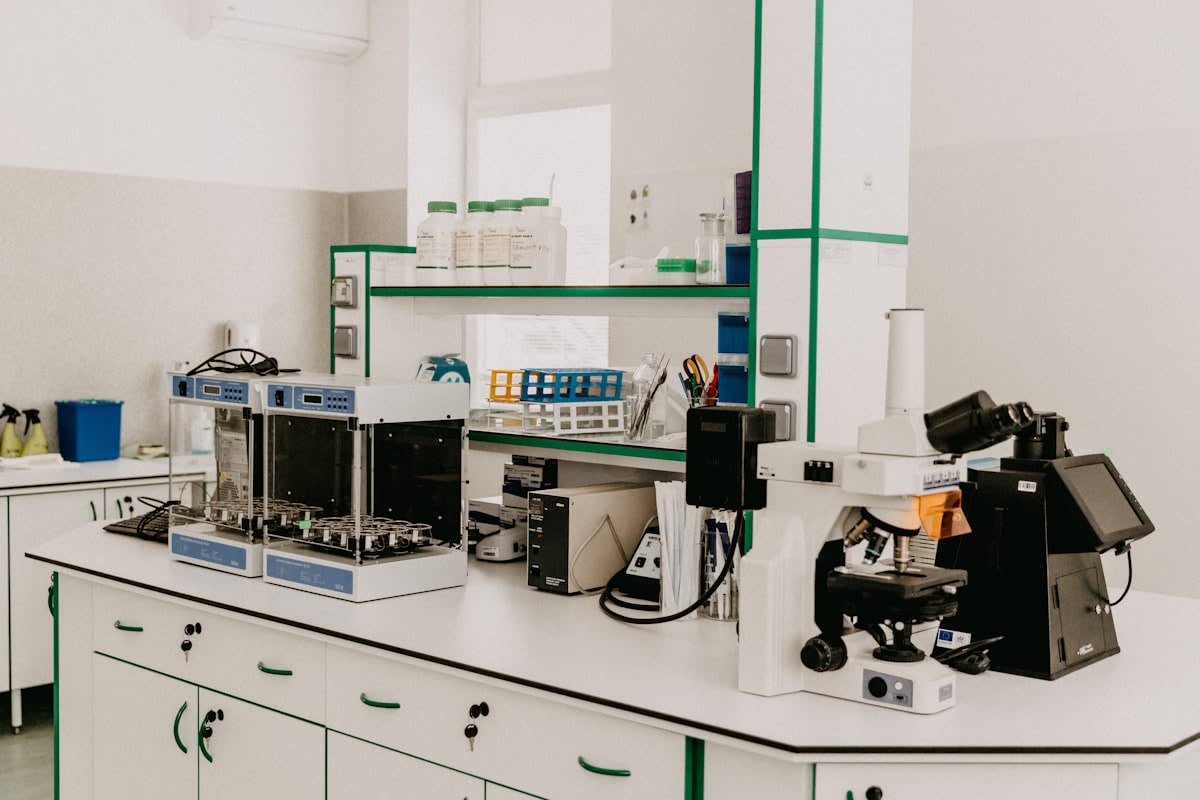
By utilizing disposable bioreactors and closed-system processing, these facilities eliminate the need for costly steam-in-place (SIP) and clean-in-place (CIP) infrastructure. This reduces water consumption and energy costs by nearly 40% compared to legacy plants. Why does this matter for rare diseases? Because when the overhead drops, the price per dose can finally move toward a sustainable level without bankrupting the manufacturer or the patient.
| Metric | Legacy Fixed-Steel (US/EU) | SEA Modular GMP |
|---|---|---|
| Setup Time | 3-5 Years | 12-18 Months |
| Initial CAPEX | High ($200M+) | Moderate ($50M - $80M) |
| Batch Flexibility | Low (Single Product) | High (Multi-Product) |
| OpEx (Utilities) | 100% Baseline | 60-70% of Baseline |
This efficiency gain is creating a magnet effect for biotech startups that previously couldn't afford the entry price of GMP compliance. We are seeing a surge in small-molecule and cell-therapy firms relocating their production to the region to avoid the crushing costs of Western facilities.
Regulatory Velocity and ASEAN Harmonization
Manufacturing is only half the battle; the other half is the permit. Historically, a drug approved in Singapore had to undergo a grueling, redundant approval process in Thailand or Vietnam. This fragmentation killed the viability of rare disease drugs, which already struggle with small market sizes. However, the recent push toward ASEAN regulatory harmonization is changing the math. A unified standard for GMP certification means a product can be scaled across multiple markets with a single audit.
"The goal is no longer just local access, but regional dominance in high-complexity biologics. By aligning our regulatory frameworks, we turn five small markets into one massive, viable hub for orphan drug distribution."— Regional Bio-Policy Strategist
This regulatory acceleration is cutting approval timelines from an average of 24 months down to 14 months for designated orphan drugs. When you are dealing with a degenerative rare disease, ten months is the difference between a functioning patient and a permanent disability. The urgency is now baked into the administrative process, moving away from the bureaucratic inertia that has defined the industry for decades.
Does this compromise safety? On the contrary. The adoption of AI-driven quality control and real-time release testing (RTRT) means that these new facilities are often safer and more precise than the aging plants found in the West. They are building the future of compliance into the walls of the factory.
The synergy between faster approvals and cheaper production is creating a window of opportunity that didn't exist eighteen months ago. The region is effectively creating a 'fast track' for therapies that the global North has deemed too unprofitable to pursue.
Genetic Diversity as a Production Asset
Rare diseases are often tied to specific genetic mutations that vary across ethnic populations. For too long, clinical trials and subsequent manufacturing have been centered on Caucasian genomic data. Southeast Asia possesses one of the most genetically diverse populations on earth, providing a critical data set for the development of precision medicines. By placing the GMP facilities in the same region as the diverse patient pools, companies can iterate on drug formulations with unprecedented speed.
This proximity eliminates the logistical nightmare of shipping unstable biological samples across oceans. It allows for a 'bedside-to-bench-to-bedside' loop where patient cells are harvested, modified in a local GMP facility, and re-administered within days. This is the holy grail of personalized medicine, and it is happening in the hubs of Singapore and Bangkok.
We are seeing the emergence of 'living pharmacies'—clusters where the hospital, the research lab, and the GMP plant exist within a five-mile radius. This spatial efficiency reduces the risk of cold-chain failure, a primary cause of waste in rare disease therapy delivery. When the product is volatile, distance is the enemy.
Is this just a convenience? No. It is a competitive advantage. The ability to conduct real-world evidence (RWE) studies alongside manufacturing allows these hubs to refine orphan drugs for Asian genotypes, creating a proprietary edge in a market that the West has largely ignored.
The CDMO Surge and the Democratization of Bio-Tech
The rise of Contract Development and Manufacturing Organizations (CDMOs) in the region is the final piece of the puzzle. In the past, a small biotech firm with a brilliant cure for a rare disease would die in the 'valley of death' because they couldn't afford to build a GMP plant. Now, they can simply rent capacity from a high-tier CDMO in Malaysia or Singapore. This 'Manufacturing-as-a-Service' model is democratizing the ability to bring orphan drugs to market.
These CDMOs are not just providing space; they are providing the technical expertise to navigate the complex chemistry of biologics. By aggregating multiple small clients, these organizations maintain high utilization rates for their equipment, which further drives down the cost for each individual drug. The result is a virtuous cycle of lower costs and higher innovation.
Estimated Growth of CDMO Capacity for Orphan Drugs in SEA (2023-2025)
Executive Insight
+18.4%
YTD Growth
The data shows a staggering increase in capacity. The projected growth in CDMO availability for low-volume biologics is nearly 5x over a three-year period. This capacity surge is effectively removing the bottleneck that has historically stifled the rare disease pipeline.
This shift is forcing a reconsideration of where the intellectual property of the future will reside. If the manufacturing and the clinical data are both based in Southeast Asia, the center of gravity for rare disease innovation will inevitably move there.
Fiscal Magnets and State Ambition
None of this would be possible without aggressive state intervention. Governments in the region are not treating bio-manufacturing as a mere industry, but as a strategic asset. Tax holidays for GMP-certified facilities, grants for rare disease research, and streamlined visa processes for global scientists are common. These are not just incentives; they are an invitation to rebuild the pharmaceutical supply chain.
By offering a 10-to-15 year tax exemption for companies focusing on orphan drugs, these nations are offsetting the inherent risk of rare disease development. They are essentially subsidizing the early-stage failure rate to ensure the eventual success of a breakthrough. This is a high-stakes bet on the future of medicine, and the early returns are promising.
The result is a new ecosystem where the state provides the fiscal safety net, the CDMO provides the infrastructure, and the biotech firm provides the science. It is a lean, mean, and highly efficient machine designed to produce the most difficult drugs in the world.
The Bottom Line
The 'So What': The transition to modular GMP hubs in Southeast Asia is not just about regional pride. It is a systemic challenge to the global pricing of orphan drugs. If the cost to manufacture can be slashed by 30-40%, the excuse for million-dollar price tags disappears.
As we move into 2025, the question is no longer whether Southeast Asia can compete in bio-manufacturing, but whether the traditional pharmaceutical giants can adapt to a world where the barriers to entry have been demolished. The rare disease breakthrough is here, and it is being built in modular cleanrooms across the equator.