
AI Executive Summary
"This article analyzes the strategic shift toward sovereign compute, highlighting how high GPU costs and security needs are driving AI repatriation. It further examines the critical gap between India's economic AI capacity and its workforce readiness."
The Great Compute Reclamation
June 2026 marks a definitive breaking point in the AI gold rush. For years, the narrative centered on the infinite scalability of the cloud. That illusion is shattering. We are witnessing a violent pivot toward sovereign infrastructure. Whether it is a hospital in a major metropolis or a government office in the Himalayas, the goal is the same: get the compute under your own roof.
Contrast the current movement in Mumbai with the shift in Washington. In India, the focus is on scaling digital payments to a staggering one billion daily transactions through AI-driven voice models. In the US, the shift is about survival and secrecy, with the Oracle Defense Ecosystem adding ten new technology partners this month to accelerate the transition of prototypes to operational, sovereign cloud deployment.
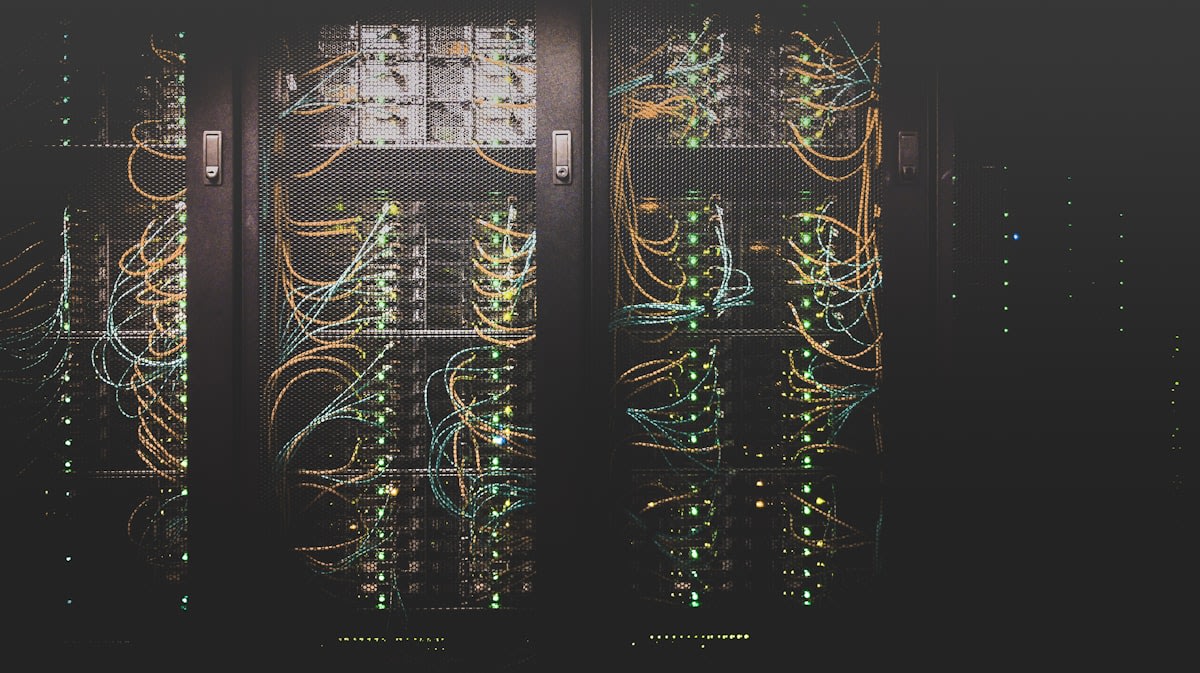
The GPU Cost Crisis
Why now? Follow the money. Healthcare leaders are currently scrambling to outmaneuver skyrocketing memory and GPU costs. The cloud-first model, once praised for its low entry barrier, has become a financial sinkhole for organizations running high-stakes medical models. The solution is a return to the sovereign hospital data center.
| Metric | Cloud-Dependent AI | Sovereign On-Premise AI |
|---|---|---|
| Cost Structure | Variable/Skyrocketing | Fixed Capital Expenditure |
| Control | Provider-led | Full Organizational Control |
| Safety/Audit | Limited Observability | High Audibility & Observability |
The Safety Imperative
Sovereign compute isn't just about the balance sheet. In healthcare, it is a matter of patient safety. On-premise infrastructure allows for the extreme levels of audibility and observability required for high-stakes medical efficacy.
This isn't just happening in clinics. The trend has scaled to the level of state governance. In Uttarakhand, India, the government is integrating AI into public administration to revolutionize disaster response and tourism management. They aren't chasing a buzzword; they are using AI as a tool for evidence-based policymaking in one of the world's most challenging mountainous terrains.
"Our vision is not to adopt AI for its own sake, but to use it as a tool for improving governance outcomes."— Shri Pradeep Batra, Minister of Science and Technology, Uttarakhand
While the infrastructure is shifting, a dangerous gap is widening between economic power and human capability.
The Human Capital Paradox
The QS World Future Skills Index 2027 reveals a jarring contradiction in India's AI trajectory. The nation holds the world's strongest economic capacity for an AI-driven future, yet it ranks 74th in workforce readiness. We have the money and the digital penetration, but we lack the job-ready talent to steer the ship.
India's AI Readiness Gap (QS Index 2027)
Executive Insight
+18.4%
YTD Growth
Despite this skill gap, the ambition remains relentless. Dilip Asbe, CEO of the National Payments Corporation of India (NPCI), is eyeing a future where AI pushes UPI beyond 750 million daily transactions toward a target of over one billion.
- Multilingual interfaces to onboard half a billion new users
- Voice models to revolutionize payment accessibility
- AI-driven fraud prevention and streamlined credit distribution
- Simplified lending for entrepreneurs with digital footprints

The delta is clear: twelve months ago, the world was asking what AI could do. Today, the world is asking who owns the hardware and who has the skills to run it. The migration to sovereign compute is the first step in a larger struggle for digital autonomy.