
AI Executive Summary
"This article analyzes the strategic shift in US aviation policy from blanket prohibitions to performance-based noise standards. It highlights the geopolitical race for supersonic dominance between the US, China, and Europe, signaling a new era of high-speed commercial travel."
June 30, 2026. The FAA just tore up a fifty-year-old rulebook. Washington is swapping a blanket prohibition for noise-based certification to enable commercial jets to cross the continental U.S. at supersonic speeds.
This regulatory move clears the path for aircraft that can fly New York to London in roughly three hours. Immediate second-order effects will hit aerospace manufacturing and noise-mitigation engineering.
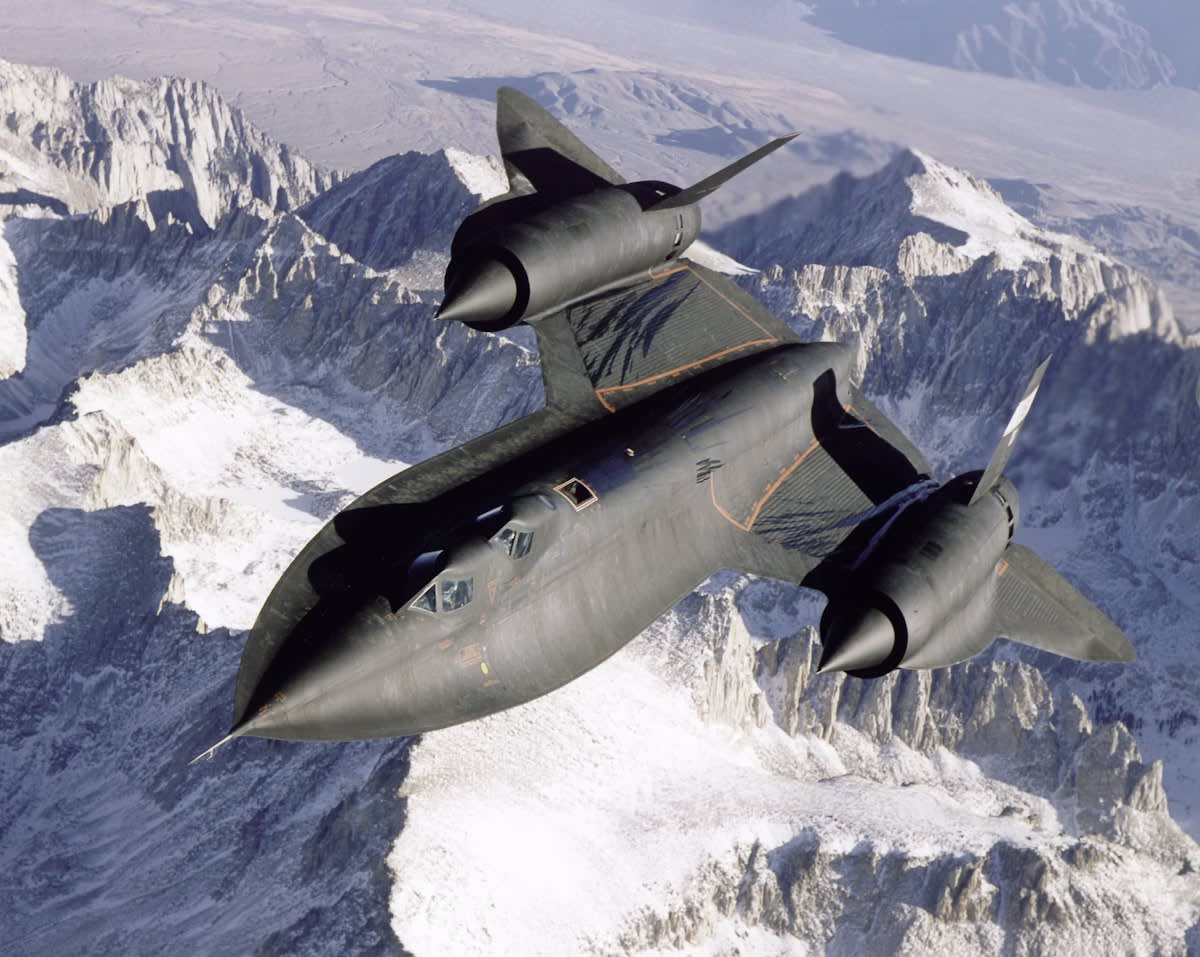
The Delta
Twelve months ago, the 1973 ban remained an absolute barrier for land-based supersonic travel. Today, the Trump administration has transitioned the conversation from 'if' to 'how loud', with final rule finalization targeted for mid-2027.
Boom Supersonic is already scaling production of the Overture jet in Greensboro, North Carolina. Contrast this American industrial push with the European Space Agency's INVICTUS program, which remains a research-heavy hypersonic platform.
| Entity | Project | Target Speed | Focus |
|---|---|---|---|
| FAA/Boom | Overture | Supersonic | Commercial Land-Flight |
| ESA | INVICTUS | Mach 5 | Hypersonic Tech Testing |
| Comac | C949 | Mach 1.6 | Long-haul Passenger |
China is not idling. State-owned Comac has unveiled plans for the C949, a jet designed to cruise at Mach 1.6. Such a machine would cut Shanghai to Los Angeles travel to roughly five hours.
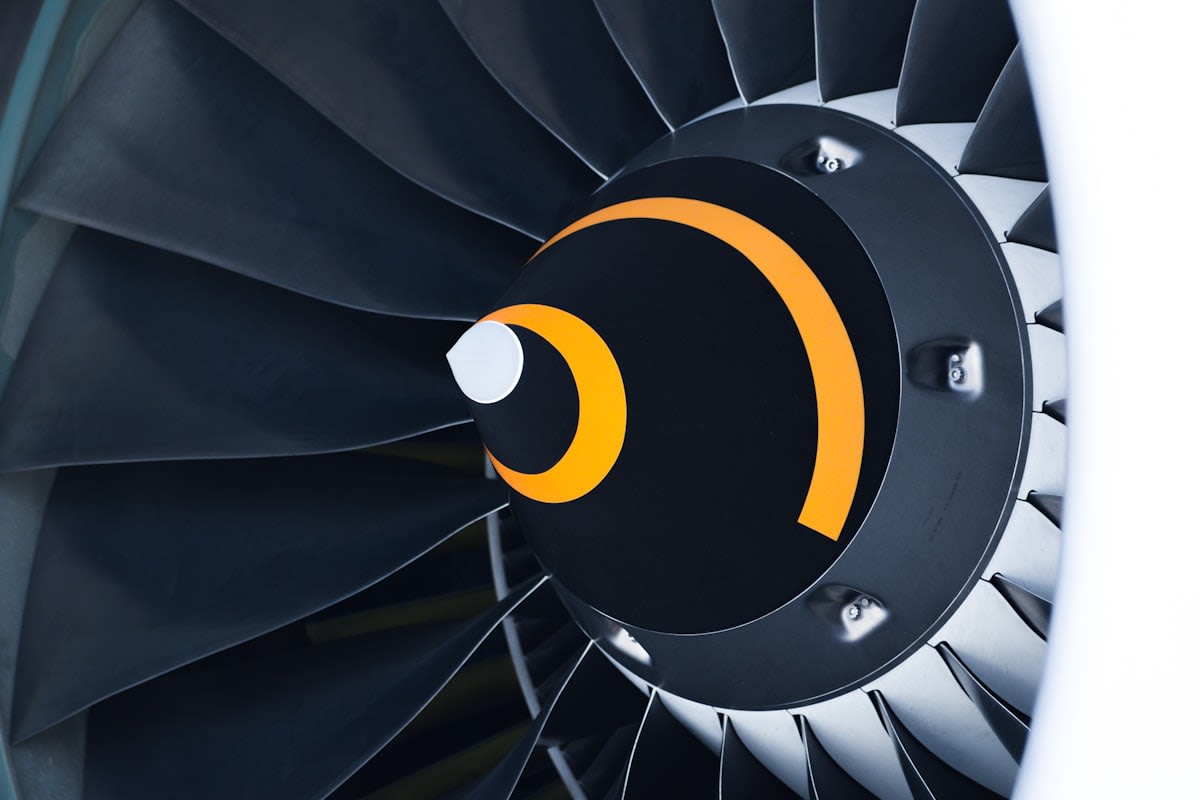
NASA recently crossed the sound barrier with the X-59 experimental aircraft. Its airframe is engineered so the sonic boom never reaches the ground as a disruptive event.
- Infrastructure upgrades for high-speed refueling at continental hubs.
- Legal battles over noise pollution in residential flight paths.
- Increased pressure on European regulators to match US deregulation.
- Rapid capital inflow for North Carolina-based aerospace manufacturing.
Mid-2027 serves as the hard deadline for the new noise standards. Aviation logistics will be redefined by the cost of fuel versus the value of time for ultra-high-net-worth travelers.