AI Executive Summary
"This article analyzes the strategic pivot of Central Asian nations toward a service-and-tech-based GDP. It highlights how state-sponsored tax arbitrage and infrastructure investment are siphoning the global creative class away from traditional hubs."
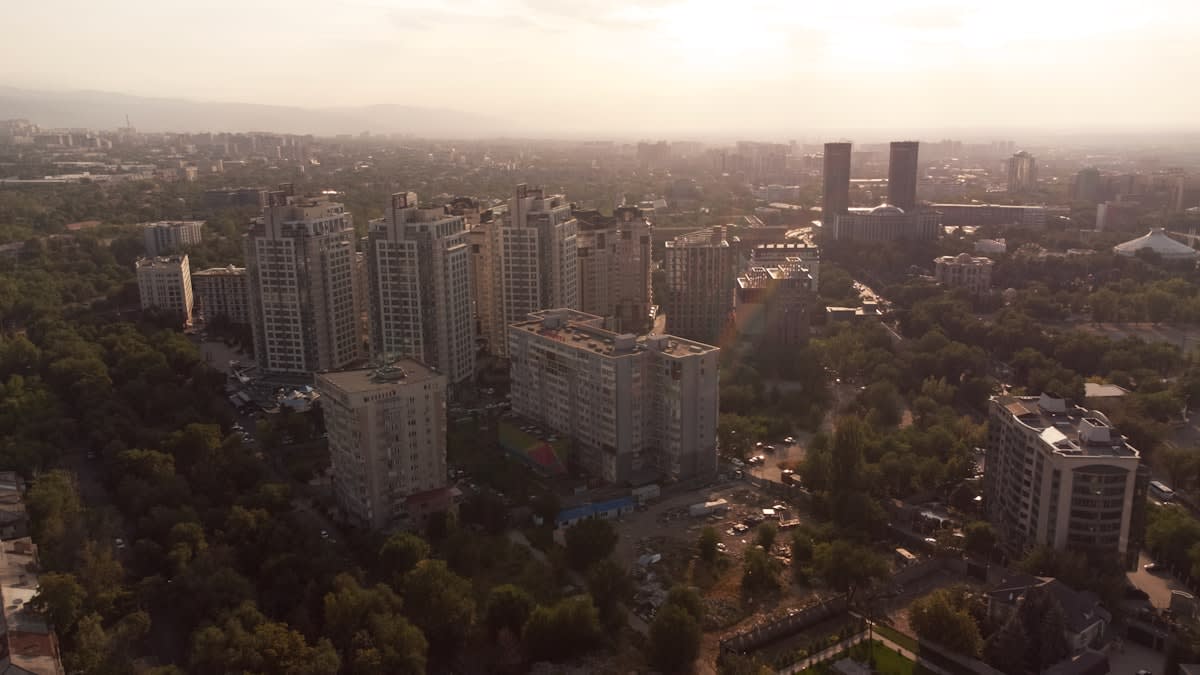
The coconut-and-beach aesthetic of Bali has lost its luster. For the high-earning remote professional, the allure of the tropics is being replaced by a more clinical, strategic calculation: where can I maximize my purchasing power while maintaining a tier-one digital infrastructure? The answer is currently shifting toward the heart of Eurasia. Almaty, Tashkent, and Bishkek are no longer just stopovers on a Silk Road tour; they have become aggressive competitors in the global race for human capital. This is not a slow evolution but a rapid pivot driven by state-sponsored incentives that make European digital nomad visas look like bureaucratic relics.
Twelve months ago, Central Asia was a footnote in the remote work conversation, viewed primarily through the lens of geopolitical instability or rugged tourism. Today, the delta is staggering. We are seeing a coordinated effort across the region to decouple their economies from traditional resource extraction and pivot toward a service-and-tech-based GDP. By slashing corporate taxes for IT residents and introducing streamlined residency permits, these nations are essentially running a massive arbitrage play on global talent. Why settle for a 15% tax rate in Portugal when you can operate within a 0% corporate tax environment in an Uzbek IT Park?
The Kazakhstan Catalyst
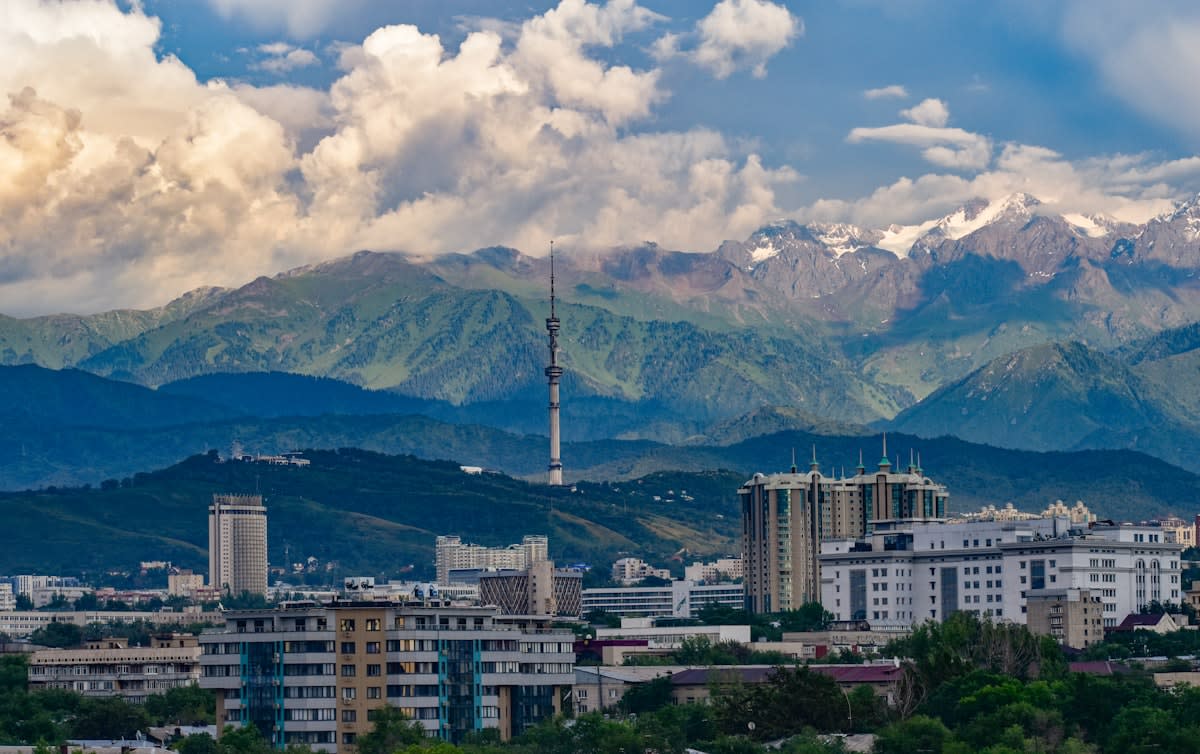
Kazakhstan has moved first and fastest. The Astana Hub is not merely a co-working space; it is a sovereign-backed ecosystem designed to attract the global developer class. By offering comprehensive tax exemptions for registered participants, the state has created a vacuum that is pulling in talent from across Eastern Europe and Southeast Asia. Almaty, the cultural and financial heart, provides the lifestyle infrastructure—high-end cafes, mountain access, and a cosmopolitan vibe—that satisfies the psychological needs of the modern nomad. The city has effectively rebranded itself as the Singapore of the Steppe.
What makes this shift sustainable? It is the integration of physical infrastructure with digital policy. Kazakhstan has invested heavily in 5G rollout and fiber-optic penetration, ensuring that the technical requirements for high-frequency trading or heavy software engineering are met. This removes the primary friction point that previously kept the remote elite away from the region. When you combine ultra-fast internet with a cost of living that is roughly 60% lower than in London or New York, the mathematical incentive becomes irresistible.
"We are seeing a fundamental redistribution of the creative class. Talent no longer follows the sun; it follows the path of least resistance and highest capital retention."— Regional Economic Analyst, Astana Hub
But is this merely a tax play? Not entirely. There is a deeper psychological shift occurring. The digital nomad is evolving into the strategic nomad. The goal is no longer 'escape' but 'optimization'. Central Asia offers a unique geopolitical neutrality that is increasingly attractive in a polarized world. It serves as a bridge between the EU, China, and India, providing a strategic base for those managing cross-border operations who want to avoid the regulatory scrutiny of Western hubs.
| Metric | Kazakhstan (Astana Hub) | Uzbekistan (IT Park) | Kyrgyzstan (Nomad Visa) |
|---|---|---|---|
| Corporate Tax | 0% | 0% | Competitive/Variable |
| Visa Ease | High (Digital Nomad) | Moderate (IT Residency) | Very High (Nomad Visa) |
| Primary Draw | Infrastructure/Finance | Scale/State Investment | Nature/Low Entry Barrier |
| Internet Speed | Tier 1 (5G) | Tier 2 (Rapid Growth) | Tier 3 (Improving) |
This brings us to the Uzbek offensive. Tashkent is currently undergoing a transformation that rivals the early days of Dubai. The Uzbek government has identified the digital economy as its primary vehicle for modernization. The IT Park Uzbekistan is the crown jewel of this strategy, offering not just tax breaks but a streamlined bureaucratic pipeline for foreign specialists. The state is effectively treating developers and digital entrepreneurs as high-value immigrants, providing them with a level of support rarely seen in the saturated markets of Europe.
The delta here is most visible when comparing current entry requirements to those of 2022. Uzbekistan has aggressively expanded its visa-free regime, now welcoming citizens from over 90 countries. This removes the initial psychological barrier to entry. Once a nomad arrives and experiences the hyper-modernity of Tashkent's new districts alongside its ancient history, the conversion rate from tourist to resident spikes. It is a calculated funnel designed to capture the mobile workforce.
Strategic Insight
The Silk Road 2.0 is not about caravans of spices, but packets of data. The region is leveraging its geography to become the primary data corridor between East and West, using digital nomadism as a way to import the intellectual capital needed to build this network.
Kyrgyzstan provides the counter-balance to the urban intensity of Almaty and Tashkent. While it lacks the massive state-funded hubs of its neighbors, it has leaned into the 'pure' nomad experience. The introduction of the Nomad Visa allows professionals to live in the shadow of the Tien Shan mountains while remaining connected to global markets. It appeals to the subset of the remote workforce that has grown tired of the 'digital slum' phenomenon in places like Canggu, where the infrastructure is crumbling under the weight of too many influencers.

Does this shift come without friction? Absolutely. The language barrier remains a significant hurdle, as Russian and local languages dominate the administrative landscape. However, the rise of an English-speaking youth population in these cities is rapidly bridging the gap. Furthermore, the bureaucratic legacy of the Soviet era still lingers in some government offices, though the 'Digital Government' initiatives in Kazakhstan are systematically erasing these inefficiencies through e-government portals that make renewing a permit a five-minute smartphone task.
The most critical observation is the timing. This push is happening exactly as Western nations are tightening their digital nomad regulations due to local housing crises. As Lisbon and Mexico City implement stricter rules to curb gentrification, Central Asia is opening its doors with a red carpet. They are not fighting the nomads; they are courting them as the vanguard of a new middle class. This is a predatory talent acquisition strategy on a national scale.
- Zero percent corporate and income tax for IT Park residents in Uzbekistan.
- Rapid 5G deployment in Kazakhstan's major urban centers.
- Visa-free entry for 90+ nations, reducing the friction of relocation.
- Purchasing power parity (PPP) that allows for a luxury lifestyle on a mid-tier Western salary.
- Strategic geopolitical positioning between the EU and East Asian markets.
Ultimately, the 'Central Asian Playbook' is a lesson in agility. While the West debated the ethics of remote work and the impact on urban zoning, these nations simply cleared the path. They recognized that the digital nomad is not a tourist, but a mobile unit of economic production. By treating them as such, Kazakhstan, Uzbekistan, and Kyrgyzstan are not just adding to their tourism numbers—they are rewriting their economic DNA.
The question is no longer whether Central Asia can support the digital nomad, but how long the current hubs in Southeast Asia and Southern Europe can compete with such aggressive state-level incentives. The migration of the remote elite is a leading indicator of economic power. As the talent shifts, the capital and the innovation will inevitably follow. The Steppe is no longer a wasteland; it is a launchpad.