
AI Executive Summary
"This article analyzes the systemic collapse of the frictionless global tourism model, highlighting the transition toward localized capital and strategic logistics. It provides strategic foresight into how climate fragility and political re-bordering are redefining global mobility and investment."
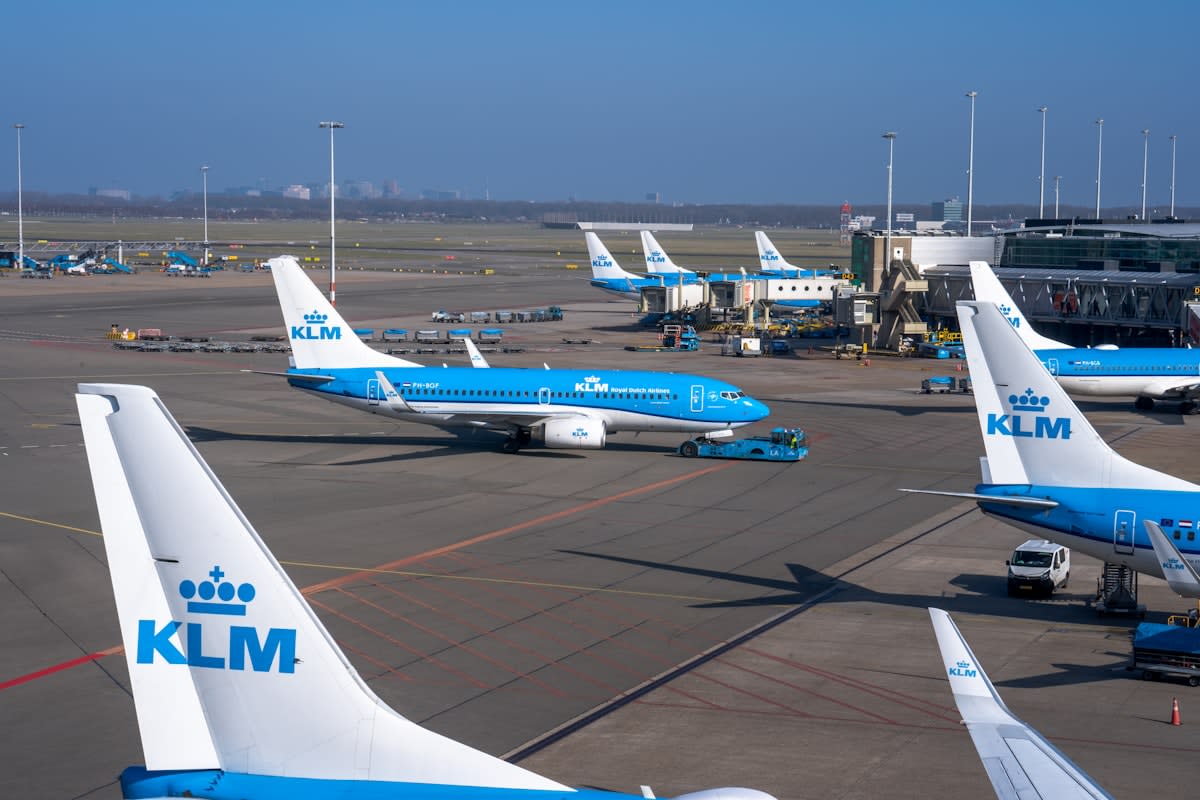
The industry has long operated on a delusion of frictionless human mobility. For decades, the tourist hub was treated as a vacuum where capital and people flowed without resistance, provided the flights were cheap and the hotels were branded. This era is ending. We are witnessing a generational structural shift, not a cyclical dip. According to Dr. Tong Yin, we have entered a half-century of re-bordering, where the very concept of deglobalization is reshaping how we move and where we stay.
This systemic retreat is most visible in the Middle East, which has operated without a stable security premium for over a year. When the security of a region becomes a variable rather than a constant, the model of the global chain begins to fracture. The hub, once a beacon of standardized luxury, is becoming a liability. The inevitable outcome is not the total disappearance of these brands, but their conversion into federated regional operators. In this new architecture, shared brand standards remain at the top, but the actual capital, technology, and recognition systems are localized beneath.
| Metric | Globalized Hub Model (Pre-2026) | Federated Regional Model (Emerging) |
|---|---|---|
| Mobility Logic | Frictionless/Universal | Bordered/Conditional |
| Capital Structure | Centralized Foreign Investment | Localized/Regional Capital |
| Data & Tech | Unified Global Cloud | Localized Data Sovereignty |
| Risk Profile | Systemic/Globalized | Segmented/Regional |
Recent travel data from April 2026 confirms this reallocation of flow. International arrivals to the United States dropped by 5.5 percent compared to the previous year. While U.S. citizens are still traveling—outbound travel increased by 2 percent, with a 5.2 percent spike in trips to Europe—the reciprocity is gone. This imbalance suggests that the hub-and-spoke model of global tourism is no longer symmetrical. Travelers are not just shifting destinations; they are responding to a world where borders are becoming harder and the cost of entry is rising.
The Privatization of the Coastline
While deglobalization attacks the hub from the top down, social unrest is dismantling it from the ground up. In Europe, from Albania to Portugal, the privatization of the coastline is triggering a visceral reaction from local populations. The hub model relies on the conversion of public geography into private assets. When luxury hotel developments, such as the plans by Ivanka Trump and Jared Kushner for the island of Sazan and the Zvërnec peninsula in Albania, take precedence over local access, the social contract breaks.
There is a staggering mismatch between the macroeconomic narratives pushed by Brussels and Frankfurt and the lived reality of the destination. While the Economist and Financial Times may laud Albania for its fiscal responsibility and surging economy, more than a third of the local population can no longer afford a week-long holiday in their own country. The tourist hub has become a parasite that consumes the very environment it markets, leaving locals to protest in the streets against the encroachment of big business.
"The real villain of Europe’s overtourism is big business. The language of resistance emerging from Albania reflects a broader European trend of fighting for the beaches."— Adam Almeida, The Guardian
This dependency on foreign capital for survival creates a fragile ecosystem. When a nation's economy is tethered to the whims of luxury developers and budget flight streams, it ceases to be a sovereign geography and becomes a themed environment. This transition is not merely an economic shift; it is an existential one. The hub is no longer a place to visit, but a product to be managed by external shareholders.
Biological Walls and the Heat Limit
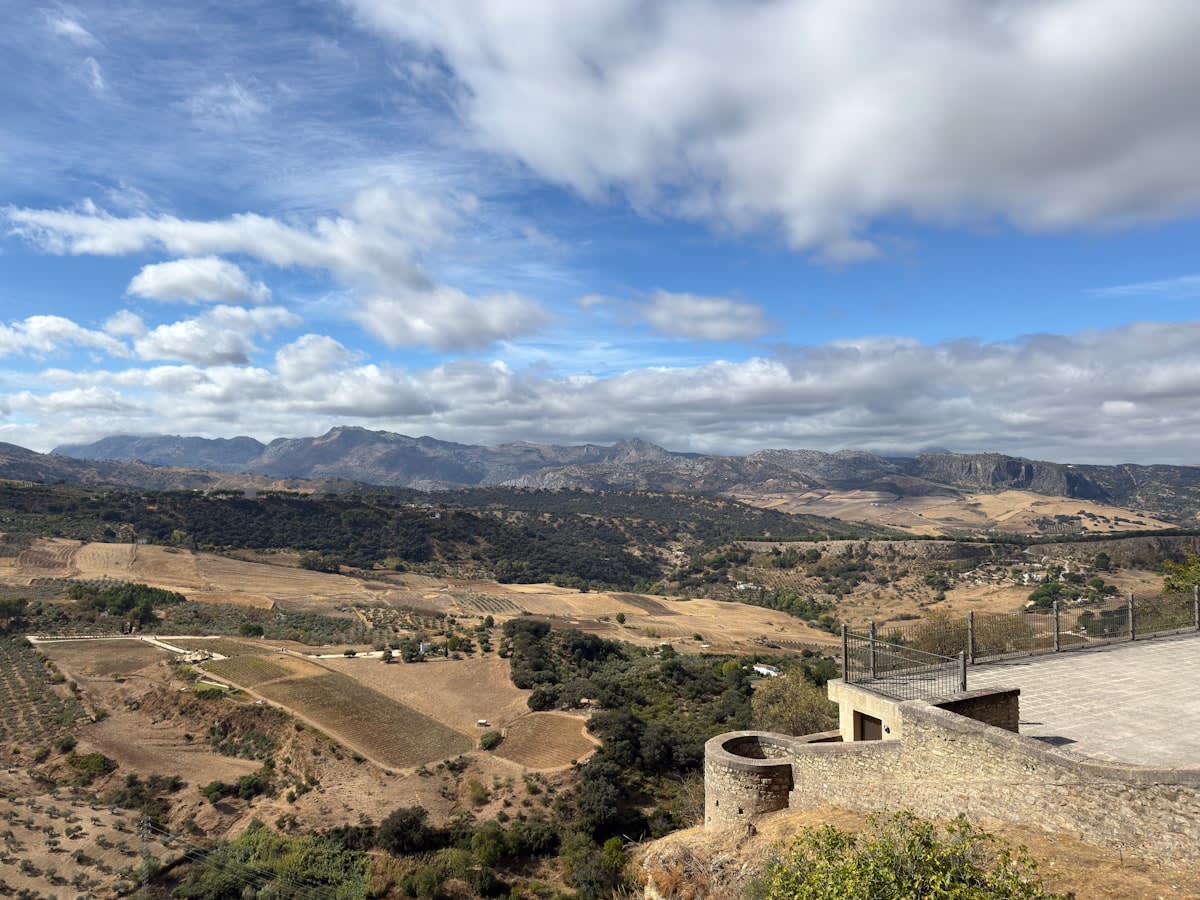
If social unrest provides the political spark, climate volatility provides the hard ceiling. The traditional European summer hub is hitting a biological wall. Since June 21, extreme heatwaves in Europe have been linked to at least 1,300 excess deaths, according to the World Health Organization. We have reached a point where the climate is not just an inconvenience for the tourist, but a lethal threat to the resident.
The absurdity of the current hub model was laid bare when a UK event focused on the impacts of extreme heat had to be cancelled because the temperatures were simply too high to gather. When the climate prevents the discussion of the climate, the hub is no longer viable. This is not a crisis of management but a crisis of geography. The areas that were once prime tourist hubs are becoming uninhabitable during peak seasons.
This physical degradation mirrors the economic shift toward regenerative systems. In Vietnam, for example, the coffee industry is being forced to adopt regenerative agriculture to tackle green barriers in major export markets. While this is an agricultural shift, it signals a broader global trend: the end of the extractive model. Tourism, the most extractive industry of all, cannot survive the same transition without a total redesign of the hub concept.
From Leisure Hubs to Logistics Hubs
As the leisure hub declines, we see a pivot toward the strategic infrastructure hub. The investment shift is palpable. In North Vietnam, PSA Vietnam and LHF are developing a 4.5 million TEU deep-sea hub at Lach Huyen Port in Hai Phong. This is not about attracting tourists; it is about strengthening global trade and creating an integrated logistics ecosystem. The focus has shifted from the movement of people for pleasure to the movement of cargo for survival.
The development of the Hai Phong Free Trade Zone represents the new priority. World-class infrastructure is now being leveraged to attract investment and strengthen roles in global supply chains rather than filling hotel rooms. The economic engine is moving away from the precariousness of the tourist's whim toward the stability of the shipping container.
The Strategic Pivot
The pivot from 'tourism-led growth' to 'logistics-led resilience' is the defining strategic move of the mid-2020s. Nations are trading the volatile 'security premium' of tourism for the structural utility of trade hubs.
The Age of the Tourist Hub is not dying in the sense that people will stop traveling. Instead, the hub is mutating. It is shedding its skin as a globalized, frictionless monolith and becoming a fragmented series of regional nodes. These nodes will be defined by their ability to withstand extreme heat, their willingness to protect local sovereignty over foreign capital, and their integration into a re-bordered world.
Ultimately, the failure of the hub model is a failure of imagination. We believed that the world could be turned into a series of interchangeable luxury corridors. But between the heatwaves of Europe and the protests in Albania, the geography is fighting back. The future belongs to the federated, the regenerative, and the regional.