
AI Executive Summary
"This article provides a strategic framework for navigating the operational friction of Southeast Asia's emerging high-speed rail networks. It analyzes the critical gap between transit speed and urban integration, offering a tactical playbook to mitigate systemic failure in regional logistics."
Essential Gear and Digital Prerequisites
Efficiency on Southeast Asia's new rail corridors starts long before you reach the platform. You cannot rely on legacy payment systems or physical currency in the high-speed ecosystem. Digital wallets like GrabPay, GoPay, and regional QRIS standards are the actual currency of these terminals. Without these, you will find yourself trapped in queues for physical ticket kiosks that are often understaffed or malfunctioning during peak hours. The friction is not in the train speed, but in the payment gateway.
Connectivity is another non-negotiable requirement. While the stations boast high-speed Wi-Fi, the transit zones—particularly in the mountainous regions of the Laos-China Railway—experience frequent signal drops. An eSIM with regional roaming is a baseline requirement, but offline maps of the terminal layouts are critical. Many of these stations, such as the Halim station in Jakarta, are massive complexes where the distance from the platform to the exit can take fifteen minutes of walking. Knowing the layout before you arrive prevents the panic of missing a tight connection.
Pro Tip: Payment Redundancy
Avoid relying on a single credit card. Many regional HSR booking portals have aggressive fraud filters that trigger on foreign cards, leaving you stranded without a ticket. Always have a secondary digital wallet linked to a local currency account.
Executing the Transit Sequence
The transition from a city center to a high-speed rail (HSR) terminal is where most logistics fail. In the case of Indonesia's Whoosh, the 167km journey between Jakarta and Bandung happens at 350 km/h, but the journey to the Halim station can take an hour in Jakarta's notorious traffic. You must treat the transit to the station as a separate, high-risk operation. Use dedicated rail-link shuttles or ride-hailing apps, but schedule your arrival at least ninety minutes before departure to account for security screenings and ticket verification.
- Secure digital tickets 48 hours in advance via the official app to avoid the 'sold out' volatility of walk-in kiosks.
- Coordinate your 'Last Mile' transport by booking a return ride-hail or shuttle before boarding the train, as terminal demand spikes the moment a train arrives.
- Validate your boarding pass at the automated gates using the QR code; do not wait for a human agent as the flow is designed for autonomous entry.
- Synchronize your luggage with the specific weight and size constraints of the HSR carriages, which are significantly stricter than regional air travel.
- Confirm the specific platform number via the digital display boards five minutes before boarding to avoid sprinting across the concourse.
Once on board, the logistics shift to time management. The speed of these trains creates a psychological illusion of time abundance, but the window for exiting and transferring is narrow. If you are connecting to a feeder train or a bus, move toward the exit doors three minutes before the train decelerates. In the Laos-China Railway, the boarding process is highly disciplined; any delay in your movement can lead to the doors closing, as the schedule is managed with clinical precision to maintain the corridor's throughput.
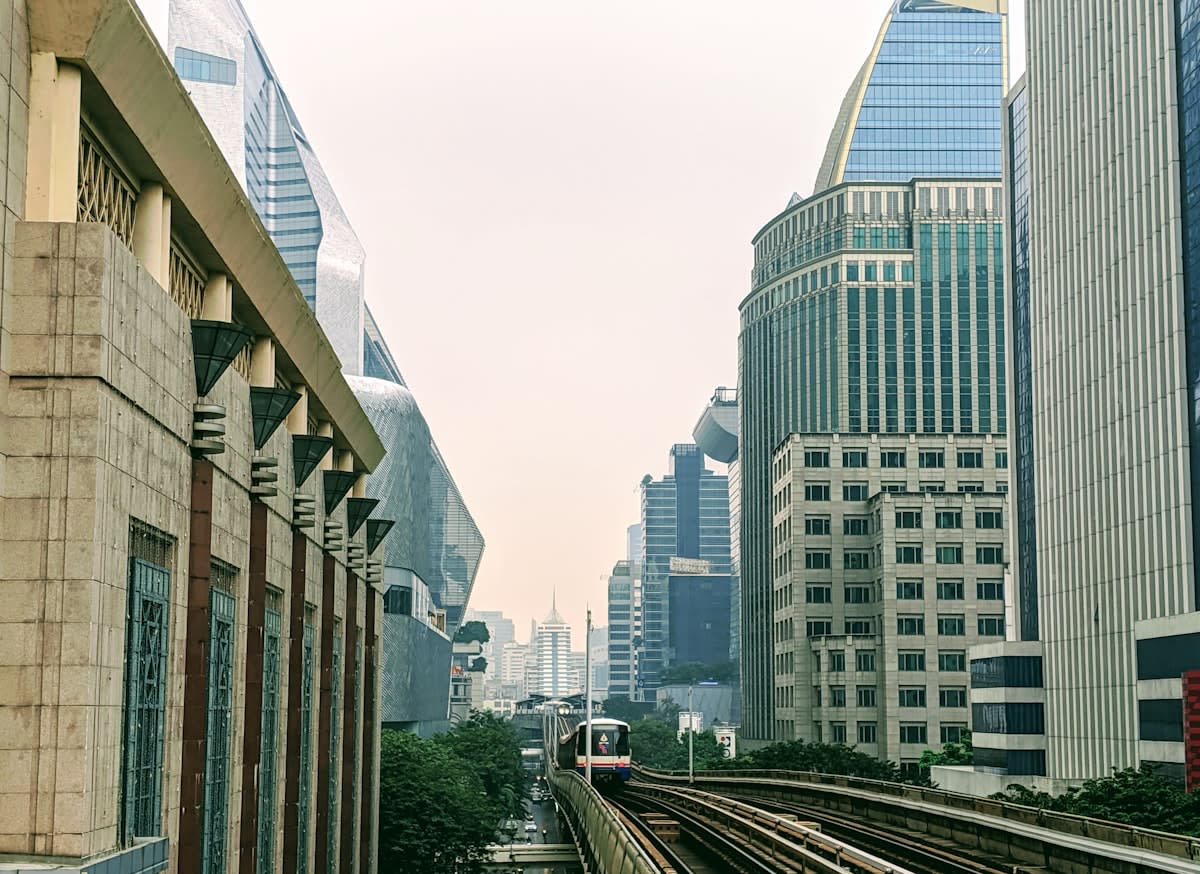
Cross-border logistics introduce a layer of bureaucratic friction. The Boten-Vientiane line is a prime example. While the train moves fast, the customs and immigration checkpoints do not. You must account for a variable window of 60 to 120 minutes for passport control. The logistics of the border are not integrated into the train's travel time; they are additive. Failing to account for this usually results in missed connections to local transport in Vientiane.
Regional Logistics Comparison
Not all HSR experiences in the region are identical. The Indonesian Whoosh is an urban-to-urban sprint, focusing on reducing the commute between two massive economic hubs. The logistics here are about bypassing road congestion. In contrast, the Laos-China Railway is a geopolitical artery, designed for freight as much as passengers. The logistics there are about bridging remote landscapes and integrating with Chinese trade standards.
| Metric | Whoosh (Indonesia) | Laos-China Railway | Thai-Chinese HSR (Planned) |
|---|---|---|---|
| Top Speed | 350 km/h | 160 km/h (Passenger) | 250 km/h |
| Primary Logistics Friction | Urban Last Mile | Border Immigration | Inter-city Integration |
| Ticketing System | App-Centric / QRIS | LCR App / China Rail | Hybrid / State Rail |
| Key Infrastructure Cost | ~$7.3 Billion | $5.9 Billion | TBD (Multi-billion) |
Thailand's upcoming HSR projects aim to create a central hub that links the region. The logistics challenge there will be the integration of the legacy State Railway of Thailand (SRT) with the new high-speed standards. Passengers will likely face a fragmented experience where they must switch between different ticketing platforms and physical stations. The ability to manage this hybrid system—knowing when to use a slow train and when to jump on the HSR—will define the efficiency of travel in the Mekong region.
Freight logistics are the hidden engine of these rail lines. While passengers see the sleek seats, the real movement is in the high-speed cargo pods. The Laos-China line has already transformed the export of agricultural goods from the highlands to Chinese markets. This shift requires a new type of logistics coordination: cold-chain integration at the railhead. If the cargo isn't moved from the train to a refrigerated truck within minutes, the speed of the rail is wasted.
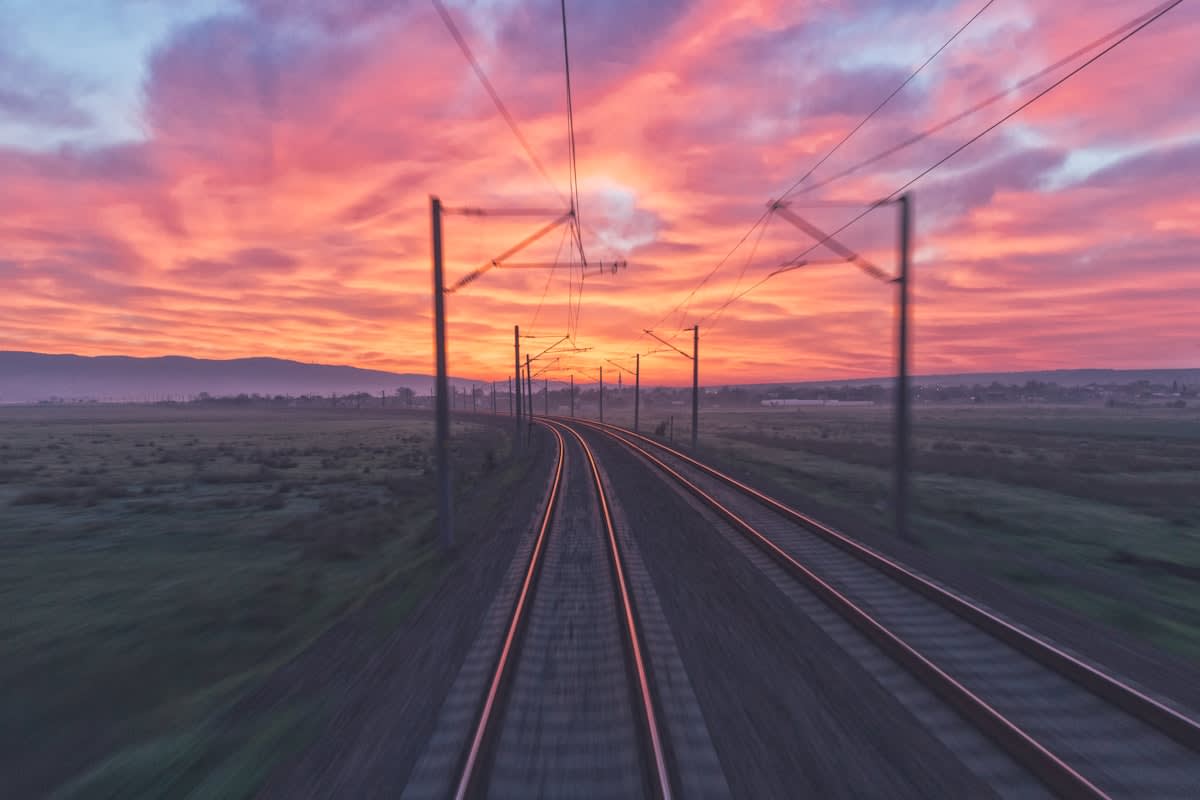
The psychological toll of high-speed logistics is often underestimated. The transition from a 350 km/h environment to a stationary, congested city center can be jarring. This 'speed shock' often leads to decision fatigue. The most successful travelers treat the arrival as a second departure. They have their exit strategy mapped—exact ride-hail pickup points and pre-booked hotel transfers—to maintain the momentum generated by the train.
Moreover, the integration of these rail lines into the ASEAN Single Window—a regional initiative to streamline customs—is the next frontier. Once this is fully operational, the logistics of crossing borders via HSR will move toward a 'seamless' model where data is exchanged before the train even stops. Until then, the burden of proof remains with the passenger. Carry physical copies of your visa and passport, as digital failures at the border are common and unforgiving.
Common Pitfalls and Failure Points
The most frequent error is the 'Station Proximity Fallacy.' Passengers assume that because the train arrives at the city's HSR station, they are 'in the city.' In reality, many HSR stations are built on the periphery to save on land costs. Halim in Jakarta or the stations along the Laos-China line are often far from the central business districts. If you do not factor in an additional 45 to 60 minutes for the final leg of the journey, your schedule will collapse.
Another critical failure point is over-reliance on the primary booking app. These apps are prone to crashes during high-demand holidays like Lunar New Year or Eid. A professional logistics approach involves securing a confirmation number and a screenshot of the QR code. If the app fails at the gate, the screenshot is often the only way to avoid a lengthy manual verification process at the ticket office.
Finally, ignoring the luggage constraints is a recipe for delays. HSR carriages are optimized for speed and aerodynamics, meaning storage space is limited. Over-sized suitcases often cannot fit in the overhead bins or the designated luggage racks. Being forced to rearrange your bags while other passengers are boarding creates unnecessary friction and can lead to boarding delays that ripple through the entire schedule.
"The speed of the train is a constant, but the speed of the system is a variable. The winner is the one who manages the variables."— Regional Logistics Analyst