‘Farak nahi padna chahiye..’: Why experts agree with Ankur Warikoo’s parenting advice
Source Entity
The Indian Express
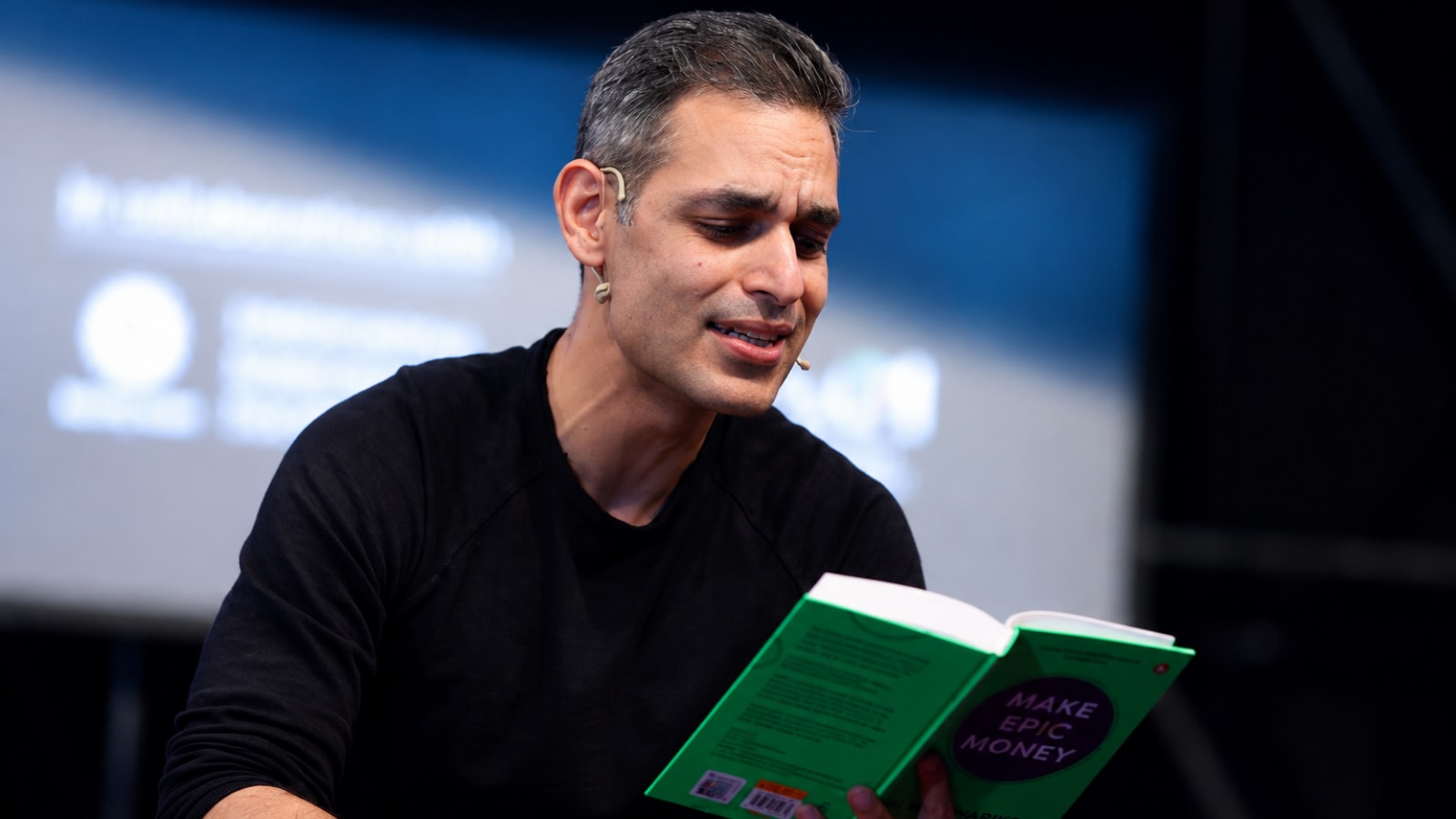
If you could teach your child just three life lessons, what would they be? Entrepreneur and author Ankur Warikoo believes the answer lies in three simple values: respect, accountability and ownership....
The Evolution of Modern Parenting: Analyzing Ankur Warikoo's Value-Based Approach
In an era where parenting styles are rapidly shifting from traditional authoritarianism to more collaborative and mindful approaches, entrepreneur and author Ankur Warikoo has introduced a framework that resonates with both modern parents and developmental experts. By distilling the complexities of child-rearing into three fundamental pillars—respect, accountability, and ownership—Warikoo addresses the core psychological needs of children in a high-pressure, digitally driven world. His philosophy, encapsulated in the sentiment that external noise "should not matter" (farak nahi padna chahiye), suggests a move toward internal validation and resilience.
The Foundation of Respect and Empathy
Respect, in Warikoo's framework, is not presented as blind obedience to authority, but as a reciprocal value that fosters empathy. In the context of modern Indian society, where the generational gap is often bridged by strict hierarchies, shifting the focus to mutual respect allows children to develop a healthier understanding of boundaries and human dignity. Experts agree that when children are taught respect as a core value, they are more likely to develop high emotional intelligence (EQ), enabling them to navigate complex social environments with grace and understanding, which is critical for their future professional and personal success.
Cultivating Accountability and Ownership
While respect provides the social framework, accountability and ownership provide the operational tools for personal growth. Warikoo distinguishes between the two: accountability is the willingness to accept responsibility for an outcome, while ownership is the proactive drive to ensure a positive result. By teaching children to own their mistakes and their triumphs, parents move away from a "blame culture." This shift is crucial in preventing the development of a victim mentality. When a child is encouraged to say, "I made a mistake, and I will fix it," they develop a growth mindset, which is a key predictor of long-term resilience and academic achievement.
The Psychology of Detachment from External Validation
The phrase "farak nahi padna chahiye" highlights a critical psychological transition: moving from extrinsic to intrinsic motivation. In today's social media-saturated environment, children are under unprecedented pressure to conform to perceived standards of success and beauty. Warikoo's advice encourages parents to shield their children from the toxicity of comparison. By emphasizing that the opinions of others should not dictate one's self-worth, he promotes a state of psychological autonomy. This detachment allows children to pursue their passions based on genuine interest rather than a desire for social applause, reducing the risk of burnout and anxiety in adolescence.
Expert Consensus and the Shift in Pedagogy
Child psychologists and educational experts have largely converged with Warikoo's views because they align with contemporary pedagogical theories. The move toward "conscious parenting" emphasizes the parent as a guide rather than a commander. By focusing on values like ownership and accountability, parents are essentially teaching executive function skills—the mental processes that enable us to plan, focus attention, and juggle multiple tasks. This approach transforms the home into a laboratory for life skills, where the goal is not perfection, but the development of a robust internal compass.
Conclusion: Future Trends in Value-Driven Upbringing
As we look toward the future, the trend in parenting is likely to move further away from rote achievement and toward holistic character development. Ankur Warikoo's focus on respect, accountability, and ownership provides a scalable model for parents struggling to balance traditional values with the demands of the 21st century. By anchoring a child's identity in these three values, parents can ensure that their children are not only successful in their careers but are also emotionally stable, ethically grounded, and mentally resilient individuals capable of contributing positively to society.