Elon Musk calls him 'Scam Altman'; OpenAI CEO says he's 'not afraid' of Apple
Source Entity
TOI TECH DESK
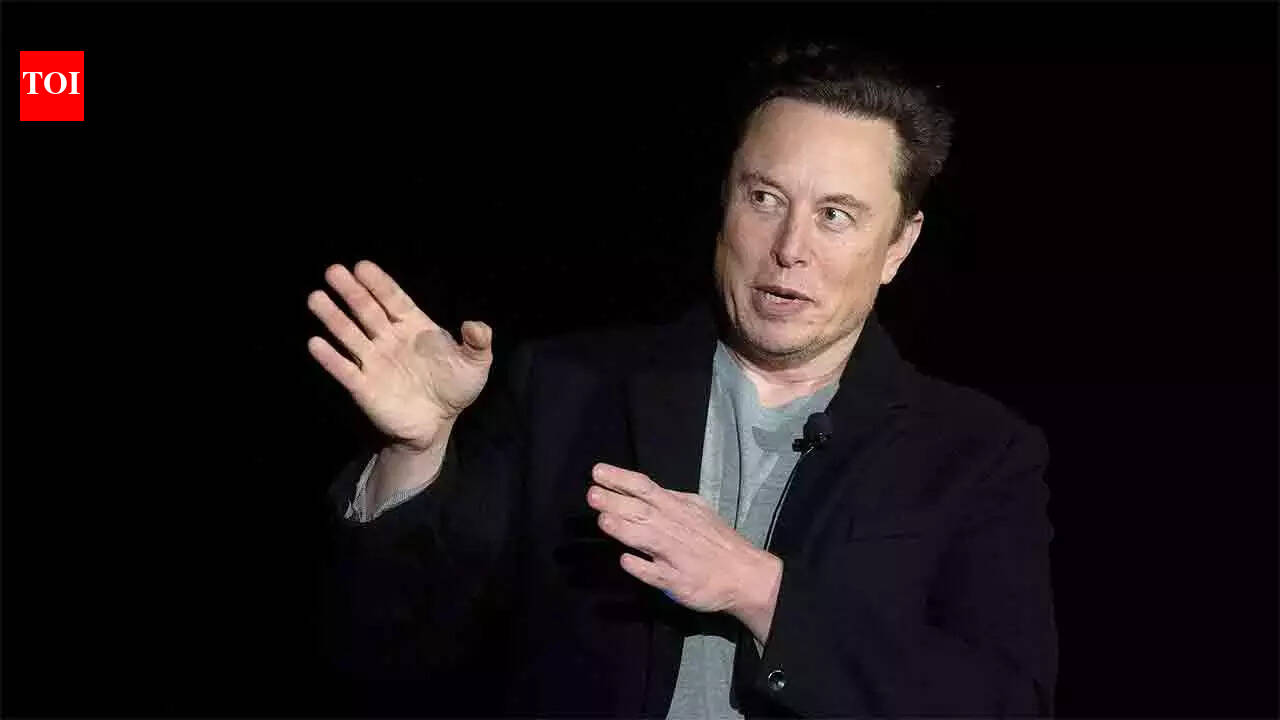
Apple's trade secret lawsuit against OpenAI has reignited the Elon Musk vs Sam Altman feud. Musk called the OpenAI CEO "Scam Altman" and accused him of stealing Apple's phone technology. Altman hit back over SpaceX's space datacenters, saying Musk is "obsessed" with him. The Apple lawsuit names OpenAI hardware chief Tang Tan and ex-Apple engineer Chang Liu.
The Collision of Titans: Apple, OpenAI, and the Musk-Altman Feud
The technology landscape has been thrown into a state of high tension following a trade secret lawsuit filed by Apple against OpenAI. This legal battle is not merely a corporate dispute over intellectual property but has evolved into a high-profile proxy war involving some of the most influential figures in modern tech. The lawsuit centers on allegations of trade secret theft, specifically naming OpenAI's hardware chief Tang Tan and former Apple engineer Chang Liu, suggesting a targeted effort to migrate proprietary Apple hardware expertise into OpenAI's burgeoning hardware ambitions.
The Core of the Legal Conflict
At the heart of the dispute is the poaching of high-level talent and the subsequent migration of sensitive technical knowledge. By naming Tang Tan and Chang Liu, Apple is signaling that its proprietary advancements in device architecture—likely related to the integration of AI at the silicon or hardware level—have been compromised. In the hyper-competitive race to develop an 'AI-first' device, the transition of engineers from a hardware giant like Apple to a software-centric powerhouse like OpenAI represents a critical strategic threat. This lawsuit underscores the growing desperation of AI firms to move beyond the cloud and into the physical realm of consumer electronics.
Musk's Intervention and the 'Scam Altman' Narrative
Adding fuel to the fire, Elon Musk has utilized the lawsuit to launch a scathing attack on OpenAI CEO Sam Altman, labeling him "Scam Altman." This rhetoric is not an isolated incident but a continuation of Musk's long-standing grievances with the organization he co-founded. By accusing Altman of stealing Apple's phone technology, Musk is attempting to frame OpenAI not as an innovator, but as a predatory entity that builds its success on the stolen intellectual property of others. This narrative serves Musk's broader goal of delegitimizing Altman's leadership and questioning the ethical foundations of OpenAI's rapid ascent.
Altman's Retort and the Compute War
Sam Altman's response—claiming that Musk is "obsessed" with him—shifts the focus from legal culpability to personal psychology. However, the more analytically significant part of Altman's rebuttal is the mention of SpaceX's space datacenters. This suggests a deeper, systemic competition over 'compute'—the raw processing power required to train and run massive AI models. By pivoting to SpaceX, Altman highlights that Musk is also engaged in the same race for infrastructure and dominance, suggesting a hypocrisy in Musk's criticism. The mention of space datacenters hints at a future where AI processing moves beyond terrestrial constraints to achieve unprecedented scale.
Broader Implications for the AI Hardware Race
This clash reveals a critical inflection point in the industry: the shift from Large Language Models (LLMs) to integrated AI hardware. For years, OpenAI has relied on Microsoft's Azure for infrastructure, but the desire to control the full stack—from the chip to the chassis—is now evident. Apple, which has historically maintained a 'walled garden' of extreme secrecy and vertical integration, cannot afford to let its hardware blueprints leak to a competitor that could potentially disrupt the iPhone's dominance with a dedicated AI device.
Future Trends and Conclusion
Looking forward, this event likely signals an increase in 'talent litigation' across Silicon Valley. As AI companies scramble to build physical products, the poaching of engineers from Apple, Tesla, and Google will likely lead to a wave of similar trade secret lawsuits. We can expect the Musk-Altman feud to intensify as their respective ventures—xAI and OpenAI—compete for the same pool of talent and compute resources. In summary, while the Apple lawsuit is the immediate catalyst, the overarching story is one of a desperate struggle for the future of human-computer interaction, where the lines between software innovation and hardware theft are becoming dangerously blurred.