Search for food takes 4 kids to begging on streets after family dispute
Source Entity
ABHAY
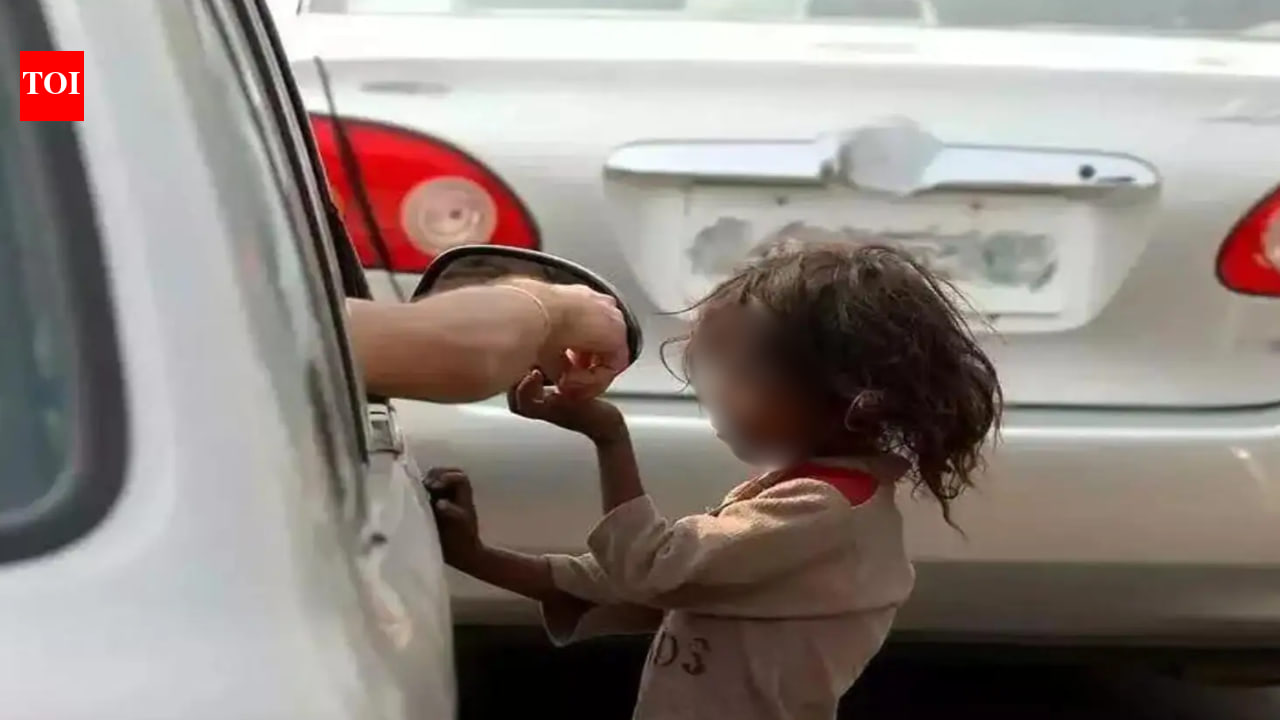
A family dispute left four young cousins without parental care and they left home. Two sisters and their cousin were found begging near Safdarjung Hospital in Delhi. The other two sisters were located begging in Maharashtra after boarding a train. Police registered a kidnapping FIR and circulated their details nationwide. The children were safely reunited with their families after the extensive search.
The Tragedy of Displaced Childhood: An Analysis of the Family Dispute Leading to Child Begging
This distressing incident involving four young cousins highlights the severe vulnerability of children when domestic stability collapses. What began as a family dispute escalated into a crisis where four children, lacking parental guidance and basic necessities, were forced to fend for themselves on the streets. The trajectory of their journey—from leaving home to begging in two different Indian states—underscores the fragility of child safety nets in the face of familial conflict.
The Mechanics of Displacement and Survival
The children's decision to leave home was driven by a lack of care resulting from a family dispute, which ultimately pushed them toward the most desperate form of survival: street begging. The split in their locations—with some found near Safdarjung Hospital in Delhi and others as far as Maharashtra—indicates a chaotic migration pattern. The fact that they boarded a train to Maharashtra suggests a level of desperation and a lack of direction, as they moved across state borders in search of food and security, exposing them to immense risks including human trafficking and physical abuse.
Law Enforcement Response and Inter-State Coordination
One of the most critical aspects of this case was the rapid transition from a missing persons report to a kidnapping FIR. By registering a kidnapping case, the police were able to trigger a nationwide alert, which is a standard but vital protocol for ensuring that local authorities across different states are on high alert. The coordination between the Delhi police and authorities in Maharashtra demonstrates the importance of integrated communication networks in recovering displaced minors. Without this systemic urgency, the children might have remained invisible within the vast urban sprawls of India's major cities.
The Risks of Urban Begging and Exploitation
Finding the children begging near a major medical hub like Safdarjung Hospital is a telling detail. Hospitals often attract displaced populations and those seeking charity, making them hotspots for child begging. In many such instances, unaccompanied children are targeted by organized begging syndicates that exploit their desperation. While these four children were fortunately recovered, their situation mirrors a broader societal issue where family breakdowns leave children susceptible to exploitation by criminal elements who prey on the homeless and the hungry.
Broader Implications of Domestic Instability
This event serves as a stark reminder of the psychological and physical toll that domestic disputes take on the youngest members of a household. When parents or guardians are embroiled in conflict, children often become collateral damage, experiencing neglect that can lead to extreme measures for survival. This case emphasizes the need for stronger community-level intervention and social work services that can identify at-risk children before they are forced to flee their homes.
Conclusion and Future Outlook
While the safe reunion of the children with their families is a positive outcome, the root cause—the family dispute—remains a critical point of concern. For the children to truly recover, psychological support and family counseling will be essential to prevent a recurrence of such instability. Moving forward, this case highlights the necessity for more robust child protection laws and a more proactive approach to monitoring family crises to ensure that no child is ever forced to seek food on the streets of a city.