How Walkable Is Delhi? Even Rare Patches Of Footpaths Are Unusable In New Friends Colony
Source Entity
Latest News: Today's Latest News Headlines from India & World | Hindustan Times | Hindustan Times
Intelligence Synthesis
AI-Generated Core Insights
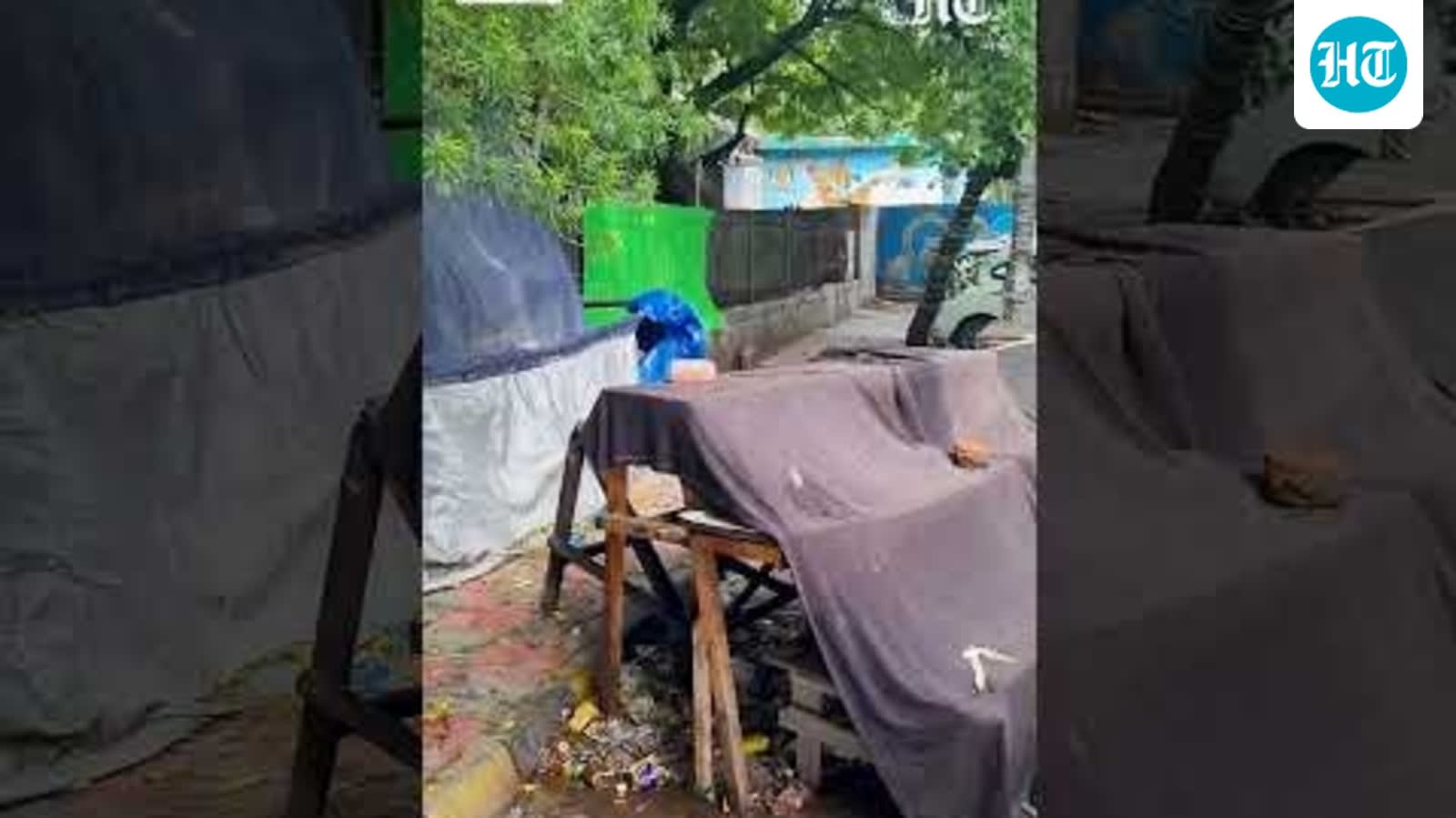
A Hindustan Times investigation highlights the severe lack of walkable infrastructure in Delhi's affluent New Friends Colony, where rare existing footpaths are rendered unusable by illegal parking, encroachment, and garbage.
The Crisis of Pedestrian Mobility in Delhi: A Case Study of New Friends Colony
Delhi, one of the world's most populous metropolitan areas, has long struggled with the balance between rapid urbanization and sustainable infrastructure. A recent investigative series by the Hindustan Times has brought a critical issue to the forefront: the near-total collapse of pedestrian walkability in the national capital. By focusing on New Friends Colony (NFC), an upscale and affluent neighborhood, the report underscores a systemic failure in urban planning that transcends socio-economic boundaries. The finding that even in wealthy enclaves, footpaths are either non-existent or unusable, reveals a city-wide crisis of accessibility.
The Paradox of Affluence and Infrastructure
One of the most striking aspects of the report is the location of the study. New Friends Colony is known for its high property values and wealthy residents, a demographic that typically possesses the political and social capital to demand high-quality public amenities. However, the presence of only "rare patches" of footpaths suggests that the erosion of pedestrian space is not merely a result of poverty or lack of funding, but rather a fundamental disregard for pedestrian rights in the city's design philosophy. This paradox indicates that the "car-centric" nature of Delhi's development has permeated every layer of society, leaving the pedestrian as the lowest priority in the urban hierarchy.
Analyzing the Drivers of Unusability
According to the report, the few existing walkways in NFC are rendered obsolete by three primary factors: encroachment, illegal parking, and garbage dumping. These are not isolated incidents but symptoms of a broader failure in municipal enforcement. Encroachment often occurs when commercial or residential boundaries bleed into public spaces, while illegal parking reflects a culture where the convenience of the vehicle owner supersedes the right of the pedestrian to safe passage. Furthermore, the presence of garbage on these paths indicates a breakdown in waste management services, turning what should be utility corridors into dumping grounds. Together, these factors create a hostile environment for anyone attempting to navigate the neighborhood on foot.
Safety Implications and Social Accessibility
When footpaths become unusable, pedestrians are forced to walk on the main carriage-ways, sharing space with high-speed vehicular traffic. This significantly increases the risk of road traffic accidents and creates a perilous environment for the most vulnerable populations. For the elderly, children, and persons with disabilities (PwDs), the lack of a dedicated, clear walkway is not just an inconvenience—it is a barrier to basic mobility and independence. The report's findings suggest that the "walkability gap" in New Friends Colony effectively marginalizes those who cannot or choose not to use a vehicle, contradicting modern urban planning goals of inclusivity.
Historical Context and Urban Planning Failures
Historically, Delhi's expansion has prioritized the movement of vehicles over the movement of people. From the wide boulevards of Lutyens' Delhi to the unplanned growth of its suburbs, the emphasis has consistently been on road widening and flyover construction. Pedestrian infrastructure has often been treated as an afterthought or a secondary requirement. The situation in New Friends Colony is a manifestation of this historical trend, where the "street" is viewed solely as a conduit for cars rather than a shared public space. This approach ignores the global shift toward "15-minute cities" and walkable urbanism that seeks to reduce carbon emissions and improve public health.
Future Trends and Necessary Interventions
To rectify the state of walkability in neighborhoods like New Friends Colony, Delhi requires a shift from passive planning to active enforcement. Future trends in urban governance must prioritize the reclamation of public spaces. This involves not only the physical construction of footpaths but the strict enforcement of anti-encroachment laws and the implementation of smarter parking solutions to clear the walkways. If the city continues to neglect the pedestrian experience, it will face increased congestion and a continued decline in air quality as residents remain dependent on private vehicles for even the shortest trips.
Conclusion
The Hindustan Times report on New Friends Colony serves as a sobering reminder that wealth does not guarantee basic urban functionality. The unusable state of the footpaths in this affluent area is a microcosm of a larger urban failure in Delhi. Addressing this issue requires more than just sporadic repairs; it demands a comprehensive overhaul of how the city views its streets—transitioning from a car-first mentality to one that prioritizes the safety, dignity, and mobility of the pedestrian.
Multiple Citing Sources
Verification Required?