Dharavi redevelopment project update: Phase-1 with 10,000 homes expected to be ready in 18 months: Explained
Source Entity
Latest News: Today's Latest News Headlines from India & World | Hindustan Times | Hindustan Times
Intelligence Synthesis
AI-Generated Core Insights
Maharashtra Deputy CM Devendra Fadnavis has announced that Phase-1 of the Dharavi Redevelopment Project, which includes approximately 10,000 rehabilitation homes, is expected to be completed within the next 18 months.
Accelerating Urban Transformation: The Dharavi Redevelopment Update
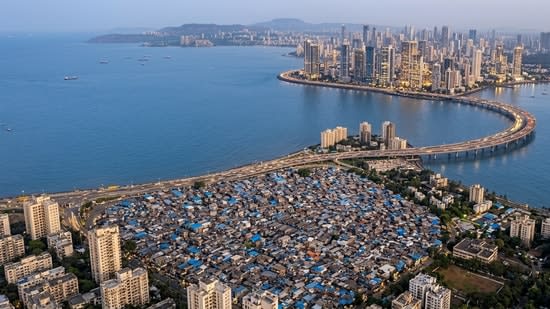
The announcement by Maharashtra Deputy CM Devendra Fadnavis regarding the completion of Phase-1 of the Dharavi Redevelopment Project marks a critical milestone in one of the world's most complex urban renewal efforts. By targeting the delivery of 10,000 rehabilitation homes within an 18-month window, the state government is attempting to move from long-term planning to tangible execution. This specific phase is not merely about construction; it is a litmus test for the government's ability to manage the massive logistical and social challenges inherent in transforming one of Asia's largest informal settlements into a planned urban center.
The Mechanics of Phase-1 Rehabilitation
Phase-1 focuses on the immediate relocation and housing of a significant subset of the population. The promise of 10,000 homes suggests a strategic approach to 'clustering,' where specific zones are cleared and rebuilt to create a template for the rest of the project. Rehabilitation in the context of Dharavi involves transitioning residents from precarious, unplanned structures into formalized apartment complexes. This shift is intended to provide residents with legal tenure, improved sanitation, and safer living conditions, which have been chronically absent in the existing slum fabric. The 18-month timeline indicates a high-priority push to demonstrate quick wins to a skeptical resident population.
Balancing Modernization with Local Economy
One of the most profound implications of this redevelopment is the impact on Dharavi's unique socio-economic ecosystem. Unlike typical residential slums, Dharavi is a thriving industrial hub known for its leather goods, pottery, and textile recycling industries. The challenge for the current phase of redevelopment is to ensure that the transition to formal housing does not dismantle these home-based businesses. For the project to be successful, the 'rehab homes' must be integrated with commercial spaces or designated industrial zones that allow the local economy to survive the shift from horizontal, open-access workshops to vertical, regulated environments.
Historical Context and the Hurdle of Eligibility
To understand the significance of this update, one must look at the decades of failed or stalled attempts to redevelop Dharavi. Historically, the primary bottleneck has been the 'eligibility' criteria—determining who is a legal resident entitled to a free home and who is a migrant without documentation. This has often led to social friction and legal battles. By announcing a concrete timeline for Phase-1, the government is signaling a resolution or a streamlined process for these disputes, aiming to build trust with the community through the actual delivery of keys rather than just the promise of blueprints.
Urban Planning and the Vertical Shift
This project represents a broader trend in Mumbai's urban evolution: the aggressive verticalization of the city. As land becomes an extreme premium, the only way to accommodate the population while freeing up land for commercial and infrastructure use is to build upward. The redevelopment of Dharavi is expected to free up vast tracts of land for the state, which can then be used for roads, parks, and high-value real estate. However, this shift also raises concerns about the loss of the community-centric, organic layout of the original settlement, replacing it with a more sterile, partitioned urban existence.
Future Outlook and Political Implications
Looking ahead, the successful completion of these 10,000 homes within 18 months will likely set the pace for subsequent phases. If the government meets this deadline, it will provide the political capital necessary to push through the more contentious parts of the project. Conversely, any delay could reignite resident protests and legal challenges. Predictably, this project will serve as a global case study for 'slum-to-city' transitions, showing whether state-led, high-density redevelopment can truly improve the quality of life without erasing the cultural and economic identity of the people it intends to serve.
Summary
The 18-month goal for Phase-1 of the Dharavi redevelopment is an ambitious commitment to provide 10,000 families with formal housing. While it promises a leap in living standards and urban efficiency, the true success of the project will depend on how well the government preserves the local industrial economy and manages the complex social dynamics of eligibility and tenure.
Verification Required?