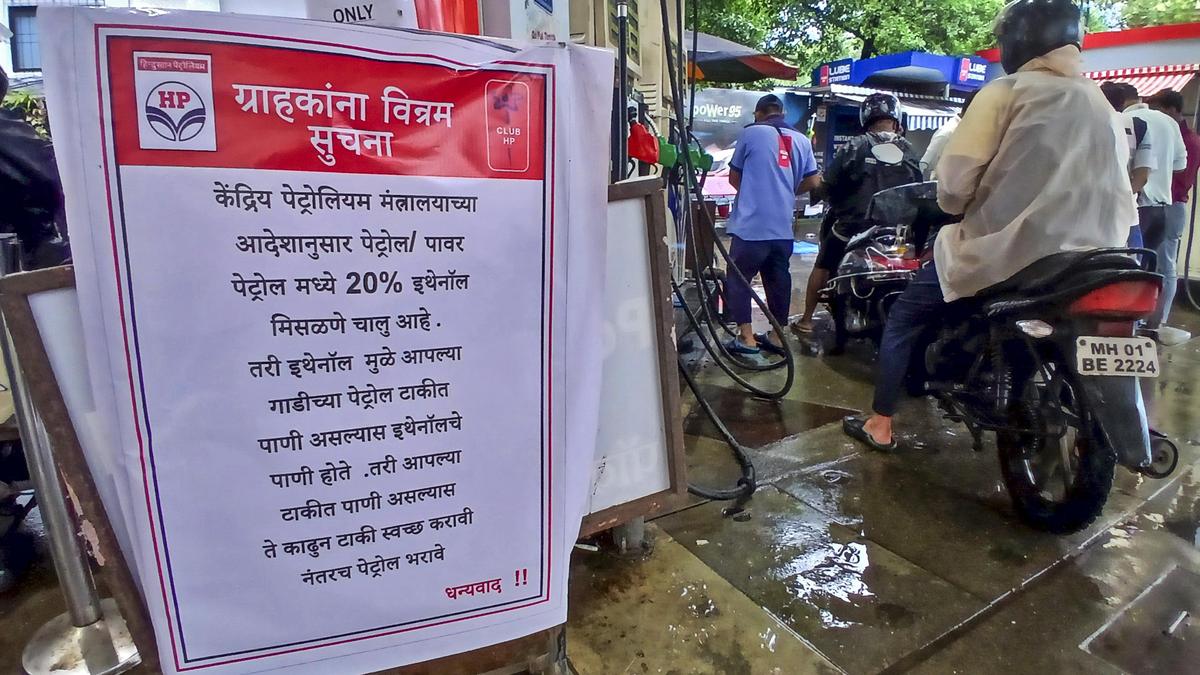
E20 fuel may lead to 3-5% mileage hit in ‘some’ vehicles, Govt. admits as it defends blending
Source Entity
India Latest News: Top National Headlines Today & Breaking News | The Hindu
Intelligence Synthesis
AI-Generated Core Insights
The government has acknowledged that E20 fuel, which contains a 20% ethanol blend, may result in a 3-5% decrease in fuel efficiency for certain vehicles. Despite this mileage hit, officials defend the policy by highlighting the fuel's higher octane rating and significant environmental and emission-related benefits.
Analysis of E20 Fuel Implementation and Its Economic Trade-offs
The government's recent admission that E20 fuel—a blend of 20% ethanol and 80% gasoline—could lead to a 3-5% reduction in mileage for some vehicles marks a pivotal moment of transparency in the transition toward sustainable energy. While a dip in fuel efficiency is typically viewed negatively by consumers, this admission is framed within a broader strategic effort to reduce reliance on imported crude oil and lower the national carbon footprint. This move is part of a larger global trend where nations are integrating biofuels to achieve energy security and meet climate goals.
The Science of the Mileage Gap
To understand why a 3-5% mileage hit occurs, one must look at the energy density of ethanol compared to pure gasoline. Ethanol contains less energy per gallon than gasoline; therefore, an engine requires more fuel to produce the same amount of power. This inherent chemical property is what leads to the observed decrease in kilometers per liter. However, the government's defense centers on the "higher-octane rating" of E20. Octane levels determine a fuel's resistance to 'knocking' or premature combustion in the cylinder. A higher octane rating allows for higher compression ratios in modern engines, which can potentially offset some of the efficiency losses by improving the combustion process and overall engine performance.
Environmental and Vehicular Advantages
Beyond the immediate concern of mileage, the shift to E20 is driven by critical emission-related advantages. Ethanol is an oxygenate, meaning it adds oxygen to the fuel mix, which promotes more complete combustion of hydrocarbons. This results in a significant reduction in tailpipe emissions, specifically carbon monoxide (CO) and unburnt hydrocarbons, which are primary contributors to urban smog. For the vehicle itself, the higher octane rating can lead to smoother engine operation and reduced wear on certain internal components, provided the vehicle is designed to be E20 compliant. This creates a tension between the individual consumer's desire for maximum mileage and the collective societal need for cleaner air.
Strategic and Economic Implications
From a macroeconomic perspective, the push for E20 blending is a strategic maneuver to bolster the agricultural sector and stabilize the balance of payments. By sourcing ethanol from sugarcane and grain surpluses, the government can divert funds that would otherwise be spent on expensive oil imports toward domestic farmers. This creates a circular economy where agricultural waste or surplus is converted into high-value energy. Historically, nations like Brazil have pioneered this path, demonstrating that high-blend ethanol can sustain a national transport fleet while insulating the economy from the volatility of global oil prices.
Challenges in Vehicle Compatibility
One of the most critical undercurrents of this policy is the issue of hardware compatibility. Ethanol is more corrosive than gasoline and can degrade rubber seals, gaskets, and certain metal alloys in older engines not designed for high blends. The government's caveat that the mileage hit affects "some" vehicles likely refers to the distinction between E20-compliant engines and legacy vehicles. As the rollout continues, the automotive industry will be forced to accelerate the adoption of materials and engine calibrations that can handle the hygroscopic nature of ethanol (its tendency to absorb water), which can lead to phase separation in fuel tanks if not managed correctly.
Future Trends and Conclusion
Looking ahead, the admission of a mileage hit is likely a precursor to even higher blends, such as E85, or a total shift toward hybrid and electric powertrains. The E20 transition serves as a bridge, allowing the infrastructure to evolve while providing an immediate reduction in petroleum dependency. As engine technology advances, the gap in energy density may be further mitigated through turbocharging and direct injection optimizations. In summary, while the 3-5% mileage loss is a tangible cost for the end-user, it is being positioned as a necessary trade-off for the dual goals of environmental sustainability and national economic resilience.
Verification Required?