Europe’s migration debate is no longer just about borders
Source Entity
Khushboo Srivastava, Pulkit Buttan
Intelligence Synthesis
AI-Generated Core Insights
Europe's migration discourse is shifting from a narrow focus on border security and Mediterranean intercepts to a complex debate over social integration, political identity, and the long-term stability of the European Union.
The Evolution of the European Migration Crisis
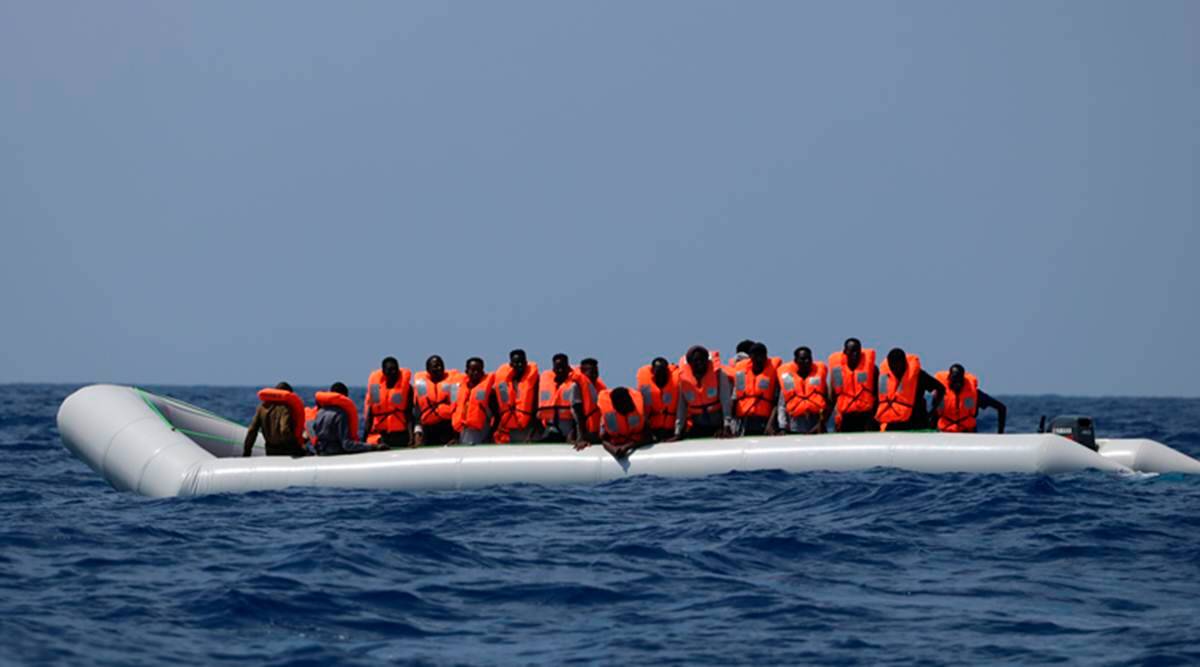
For over a decade, the visual shorthand for the European migration crisis has been the image of overcrowded dinghies adrift in the Mediterranean and the stark geometry of razor-wire fences. These images represent the 'Fortress Europe' mentality—a reactive strategy focused almost exclusively on containment and deterrence. However, as the provided context suggests, the debate is undergoing a fundamental shift. It is no longer merely a logistical or security challenge regarding who crosses a physical line, but a profound socio-political struggle regarding the internal composition and future identity of the European continent.
From Physical Barriers to Political Ideologies
Historically, the European response to migration was handled as a border management issue, primarily delegated to agencies like Frontex and national coast guards. The focus was on the 'external border,' treating the arrival of asylum seekers as a crisis to be managed through interception and repatriation. While these physical measures remain in place, the discourse has moved inward. The current debate now centers on the 'internal' consequences of migration: how to integrate diverse populations into established social fabrics and how to balance humanitarian obligations with national security concerns. This transition reflects a realization that border walls cannot solve the underlying drivers of migration or the complexities of those who have already arrived.
The Rise of Populism and Social Polarization
This shift in focus has had a profound impact on the European political landscape. Migration is no longer just a policy detail discussed by bureaucrats in Brussels; it has become a central pillar of political mobilization across the EU. The perceived failure of border controls has fueled the rise of right-wing populist movements that frame migration not as a humanitarian challenge, but as an existential threat to national identity and cultural homogeneity. By moving the debate from the shores of the Mediterranean to the streets of European cities, the issue has become a catalyst for polarization, influencing national elections and challenging the cohesion of the European Union itself.
The Humanitarian Paradox and Legal Tension
At the heart of this evolving debate is a critical tension between international law and domestic political pressure. Europe continues to grapple with the paradox of upholding the 1951 Refugee Convention—which guarantees the right to seek asylum—while simultaneously implementing policies designed to discourage arrivals. The presence of razor wire and the interception of boats highlight a systemic conflict: the desire to remain a beacon of human rights versus the political necessity of appearing 'tough' on illegal immigration. This tension is now playing out in courts and parliaments, as the debate shifts toward the legality of 'pushbacks' and the ethics of outsourcing border control to third-party nations.
Economic Necessity vs. Social Resistance
Adding another layer of complexity is the economic reality facing an aging European population. Many EU member states are facing severe labor shortages and demographic decline, creating a pragmatic need for migrant labor to sustain their economies. This creates a stark contradiction in the public discourse: while political rhetoric often emphasizes exclusion and border security, economic imperatives demand a more structured and welcoming pathway for migration. The debate is thus evolving into a discussion about 'selective migration'—determining who is economically valuable versus who is a humanitarian burden.
Future Outlook: Externalization and Integration
Looking forward, the trend suggests a move toward the 'externalization' of borders, where the EU provides financial incentives to North African and Middle Eastern countries to stop migrants before they ever reach the Mediterranean. However, the long-term stability of Europe will depend less on these external deals and more on its ability to solve the internal integration crisis. The focus will likely shift toward creating sustainable legal pathways for migration to reduce the reliance on dangerous sea crossings and to mitigate the political volatility caused by irregular migration.
Conclusion
In summary, the European migration crisis has transitioned from a perimeter security problem to a central crisis of governance and identity. While the overcrowded dinghies and razor wire remain symbols of the struggle, they are now the backdrop to a much larger conversation about what it means to be European in a globalized world. The resolution of this debate will determine whether the EU can reconcile its humanitarian values with its security needs and economic requirements.