The FCC is cracking down on DJI tech that dodged the foreign drone ban
Source Entity
Sean Hollister
Intelligence Synthesis
AI-Generated Core Insights
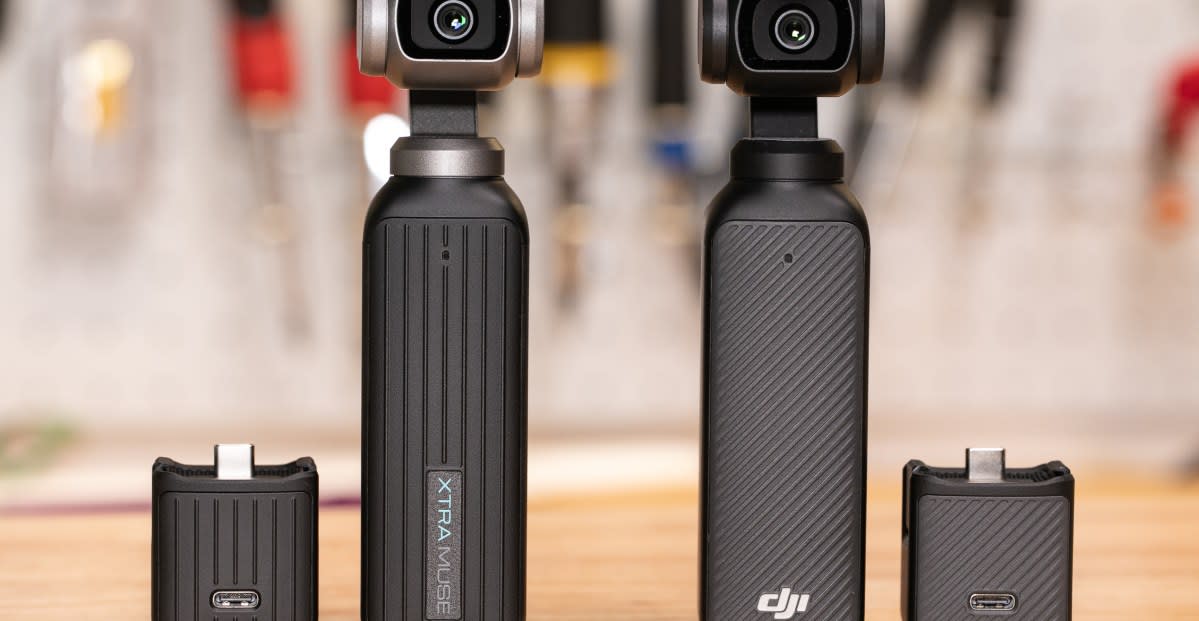
The FCC is intensifying its crackdown on companies such as Xtra and Skyrover, which are suspected of acting as proxies to smuggle DJI drone technology into the United States to bypass foreign drone bans.
The Battle Over the Skies: FCC Targets DJI Proxy Networks
The ongoing tension between the United States government and DJI, the world's dominant drone manufacturer, has entered a new phase of regulatory warfare. While the U.S. has implemented various restrictions and bans on foreign drone technology—primarily citing national security and data privacy concerns—the market demand for DJI's superior hardware remains high. This has led to the emergence of 'proxy' companies that attempt to circumvent legal barriers by rebranding DJI technology under different names, a practice that the Federal Communications Commission (FCC) is now aggressively targeting.
The Strategy of Deception: White-Labeling and Proxies
According to the reports, companies like Xtra and Skyrover have allegedly functioned as conduits for DJI technology. By utilizing 'white-labeling'—where a product is manufactured by one company but rebranded by another—these firms have attempted to sneak DJI-powered cameras and flight systems into the U.S. market. This strategy allows DJI to maintain its market share and revenue streams within the U.S. even as the official corporate entity faces increasing scrutiny and potential bans. By disguising the origin of the hardware, these companies aim to bypass the customs and regulatory filters designed to keep foreign-adversary-linked technology out of critical American infrastructure.
Regulatory Framework and the FCC's Intervention
The FCC's role in this crackdown is pivotal because every wireless device sold in the U.S. must be certified to ensure it operates on approved radio frequencies and does not cause harmful interference. When a company like Skyrover submits a device for certification, the FCC analyzes the internal hardware and radio components. If the FCC discovers that a 'Skyrover' drone is effectively a DJI drone in a different plastic shell, it constitutes a violation of certification rules and a deliberate attempt to deceive federal regulators. This technical auditing process serves as the primary 'tripwire' for catching hardware that is attempting to dodge foreign drone bans.
Geopolitical Context: The US-China Tech Cold War
This crackdown is not merely about radio frequencies; it is a symptom of the broader geopolitical struggle between the U.S. and China. The U.S. government fears that DJI drones could be used for espionage or that the data collected by these devices—which can include high-resolution imagery of sensitive government sites—could be accessed by the Chinese government. By banning these drones or restricting their use in government contracts, the U.S. is attempting to decouple its critical infrastructure from Chinese hardware. The discovery of proxy companies suggests that the economic incentive for DJI to remain in the U.S. market is strong enough to justify these high-risk evasion tactics.
Market Disruption and the Rise of Domestic Alternatives
As the FCC closes the loopholes used by Xtra and Skyrover, the consumer and commercial drone markets are likely to experience significant volatility. For years, DJI's price-to-performance ratio has been nearly impossible to beat. However, the tightening of the 'foreign drone ban' is creating a vacuum that U.S.-based manufacturers are eager to fill. This shift is accelerating the adoption of 'Blue UAS'—a list of drones cleared for government use—and encouraging private investment in domestic drone ecosystems. While the transition is painful for users who prefer DJI's ecosystem, the regulatory pressure is forcing a diversification of the supply chain.
Future Outlook: A Hardened Border for Hardware
Looking forward, we can expect the FCC and the Department of Commerce to implement even more stringent hardware auditing processes. The 'cat-and-mouse' game between DJI's proxies and U.S. regulators will likely lead to the requirement of 'bills of materials' (BOM) for all imported wireless tech, forcing companies to disclose every component's origin. As the U.S. continues to harden its borders against foreign-adversary technology, the era of easily obtainable, rebranded foreign drones is coming to an end. The focus will shift from banning specific brands to banning specific chipsets and software architectures associated with restricted entities.
Conclusion
The FCC's crackdown on Xtra and Skyrover highlights the lengths to which companies will go to maintain access to the lucrative U.S. market despite severe geopolitical restrictions. By targeting the technical certifications of these proxy brands, the U.S. is closing a critical loophole in its national security strategy. This move signals a broader trend of aggressive hardware scrutiny that will likely reshape the drone industry and accelerate the push for domestic technological sovereignty.