First batch of Kailash-Mansarovar Yatra pilgrims reaches Tibet
Source Entity
India Latest News: Top National Headlines Today & Breaking News | The Hindu
Intelligence Synthesis
AI-Generated Core Insights
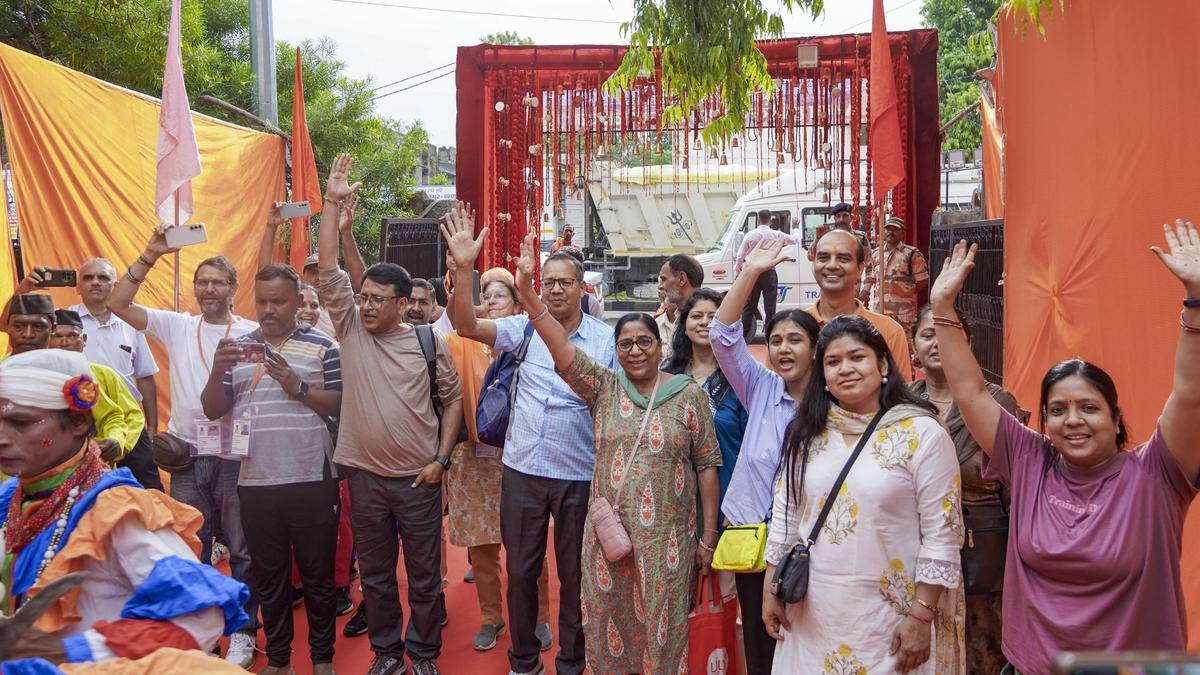
The first batch of 48 pilgrims for the sacred Kailash-Mansarovar Yatra has successfully entered Tibet after crossing the Lipulekh Pass, coordinated by the Kumaon Mandal Vikas Nigam (KMVN) from the Dharchula base camp.
The Commencement of the Sacred Journey: First Batch Reaches Tibet
The successful crossing of the Lipulekh Pass by the first batch of 48 pilgrims marks the official start of the annual Kailash-Mansarovar Yatra. This pilgrimage is one of the most challenging and spiritually significant journeys in the world, drawing devotees from various faiths to the foothills of Mount Kailash and the shores of Lake Mansarovar. The precise timing of the crossing—9:05 a.m.—indicates a highly coordinated effort between logistics teams and border authorities to ensure the safe transit of pilgrims across the high-altitude frontier.
Logistical Orchestration by KMVN
The role of the Kumaon Mandal Vikas Nigam (KMVN) as the nodal agency is central to the success of this operation. Operating from the Dharchula base camp, the KMVN is responsible for the grueling task of preparing pilgrims for extreme altitudes and ensuring that all regulatory requirements are met. The base camp serves as the final staging area where health screenings and final briefings occur. The logistical complexity of moving a group through the rugged terrain of Uttarakhand requires meticulous planning, as the agency must balance the physical capabilities of the pilgrims with the unpredictable weather patterns of the Himalayas.
The Strategic and Geographic Importance of Lipulekh Pass
Lipulekh Pass serves as a critical gateway for the yatra, providing a direct, albeit arduous, route from India into the Tibet Autonomous Region. Located at an elevation that challenges the respiratory systems of even the fittest travelers, the pass is a bottleneck of both geographic and geopolitical significance. The crossing is not merely a physical transition but a diplomatic one, requiring synchronization between Indian and Chinese authorities. The successful passage of this first batch signals a window of operational stability and cooperation at the border, which is essential for the subsequent batches of pilgrims expected to follow.
Spiritual and Cultural Dimensions
To understand the gravity of this event, one must look at the spiritual magnetism of Mount Kailash and Lake Mansarovar. For Hindus, the mountain is the abode of Lord Shiva; for Buddhists, it is the home of Demchok; for Jains, it is where the first Tirthankara attained liberation; and for followers of the Bon religion, it is the seat of spiritual power. This cross-cultural reverence transforms a difficult trek into a profound spiritual quest. The arrival of the first batch in Tibet represents the fulfillment of a lifelong aspiration for many, emphasizing the enduring power of faith over physical hardship.
Geopolitical Implications and Future Trends
The movement of pilgrims through Lipulekh Pass often reflects the broader diplomatic climate between India and China. Because the yatra depends on permits and cooperation from the Tibetan administration and the Chinese government, any successful crossing is a positive indicator of bilateral functionalism. Moving forward, we can expect a continued push toward improving the infrastructure around Dharchula and the Lipulekh route to enhance safety. However, the trend will likely remain one of strict regulation and batch-based movements to minimize the environmental impact on the fragile Himalayan ecosystem and to maintain security protocols.
Conclusion
In summary, the arrival of the first 48 pilgrims in Tibet is more than a logistical milestone; it is a confluence of faith, endurance, and international diplomacy. Through the dedicated efforts of the KMVN and the resilience of the pilgrims, the journey to one of the world's most sacred sites has begun. As more batches traverse the Lipulekh Pass, the event continues to highlight the intersection of spiritual devotion and the complex realities of high-altitude border management.
Verification Required?