'Funflation' hits home: Why staying in isn't the cost-saver it used to be
Source Entity
US Top News and Analysis
Intelligence Synthesis
AI-Generated Core Insights
The phenomenon of 'funflation' is making at-home entertainment, such as streaming services and gaming, increasingly expensive, eroding the traditional cost-saving benefit of staying in over going out.
The Rise of 'Funflation': The Erosion of the Affordable Night In
For decades, the prevailing economic logic for the budget-conscious consumer was simple: when the cost of living rises, you stop going to the cinema, dining out, or visiting theme parks and instead pivot to at-home entertainment. However, a new trend dubbed 'funflation' is dismantling this safety net. This phenomenon describes the specific inflationary pressure on leisure and hobby-related expenses, particularly those centered within the home. As streaming platforms and gaming ecosystems raise their prices, the financial gap between 'going out' and 'staying in' is narrowing, leaving consumers with fewer viable low-cost options for decompression.
The Streaming Squeeze and the End of the Growth Era
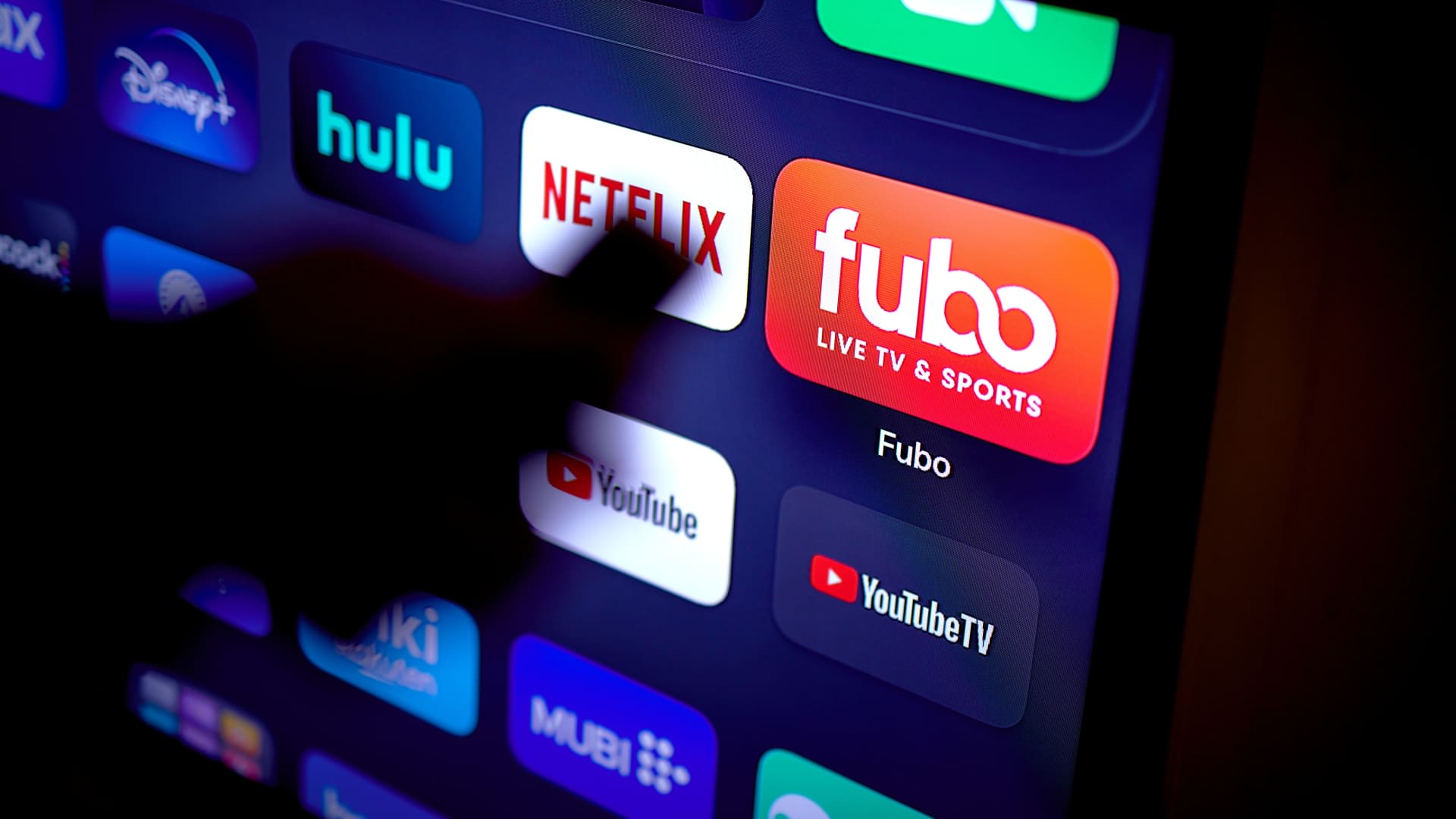
The primary driver of funflation in the digital space is the strategic pivot of streaming giants. For years, services like Netflix, Disney+, and Max operated under a 'growth-at-all-costs' model, keeping subscription prices artificially low to capture the largest possible market share. Now, as these markets reach saturation, the corporate priority has shifted from user acquisition to Average Revenue Per User (ARPU). This has resulted in a wave of tiered pricing, the introduction of aggressive ad-supported levels, and a crackdown on password sharing. Because content is now fragmented across a dozen different platforms rather than one or two, the cumulative monthly cost of maintaining a 'complete' home cinema experience often rivals the cost of a few monthly movie theater tickets.
Gaming's Shift Toward Recurring Revenue
Similarly, the video game industry has transitioned from a transactional model to a service-based economy. While the initial cost of a console remains a significant hurdle, the ongoing costs of 'staying in' to play have spiked. The rise of Live Service games has introduced microtransactions and seasonal battle passes, turning a one-time purchase into a perpetual subscription. Furthermore, the essential nature of online multiplayer has forced gamers into paid subscription tiers (such as PlayStation Plus or Xbox Game Pass) just to access the features they already paid for in the hardware. This shift ensures a steady stream of revenue for developers but creates a 'subscription fatigue' for the consumer, where leisure becomes a recurring monthly liability.
The Substitution Effect and Market Psychology
From an economic perspective, funflation is partly a result of the substitution effect. As expensive outdoor activities (like concerts or high-end dining) become unaffordable, a larger volume of consumers migrate toward at-home alternatives. This surge in demand signals to providers that consumers are willing to pay more for home entertainment, providing the market justification for price hikes. Essentially, the 'safe haven' of the living room has become a prime target for monetization because it is where the displaced consumer now spends the bulk of their leisure time. This creates a cycle where the cheapest remaining options are systematically priced up until they are no longer significantly cheaper than the alternatives.
Broader Implications and Future Trends
Looking forward, we can expect funflation to evolve into more complex bundling strategies. To combat 'churn'—where users cancel subscriptions after binge-watching a specific show—companies will likely form strategic alliances, bundling streaming, gaming, and music services into single, high-priced packages. While this may seem convenient, it further cements the recurring cost of leisure. We may also see a resurgence in physical media or 'analog' hobbies as consumers attempt to escape the subscription trap. The long-term trend suggests a future where 'free' or 'cheap' digital leisure is almost entirely replaced by ad-supported tiers, effectively taxing the consumer's attention if they cannot afford the premium price.
Summary: A New Reality for Consumer Leisure
In conclusion, 'funflation' represents a fundamental shift in the economics of relaxation. The traditional sanctuary of the home—once a bastion of cost-saving—is being integrated into the same inflationary pressures affecting the broader economy. As streaming and gaming services prioritize profitability over accessibility, the modern consumer is finding that there is no longer a truly 'cheap' way to unwind. The erosion of the affordable night in is not merely a series of price hikes, but a structural change in how entertainment is sold and consumed in the digital age.