Ghaziabad horror: 7-year-old raped and murdered, body found in mall basement
Source Entity
ADVITYA BAHL
Intelligence Synthesis
AI-Generated Core Insights
A seven-year-old girl was kidnapped, raped, and murdered in Ghaziabad, with her body discovered in the basement of an under-construction mall. Police have detained several suspects and are awaiting autopsy results.
Tragedy in Ghaziabad: A Deep Dive into the Child Murder Case
The city of Ghaziabad has been shaken by a harrowing crime involving the kidnapping, rape, and murder of a seven-year-old girl. The discovery of the child's body in the basement of an under-construction mall has sparked widespread outrage and highlighted critical vulnerabilities in urban safety and child protection. This incident is not merely a localized crime but a grim reminder of the ongoing struggle to ensure the safety of minors in rapidly expanding urban centers.
The Modus Operandi and Vulnerability
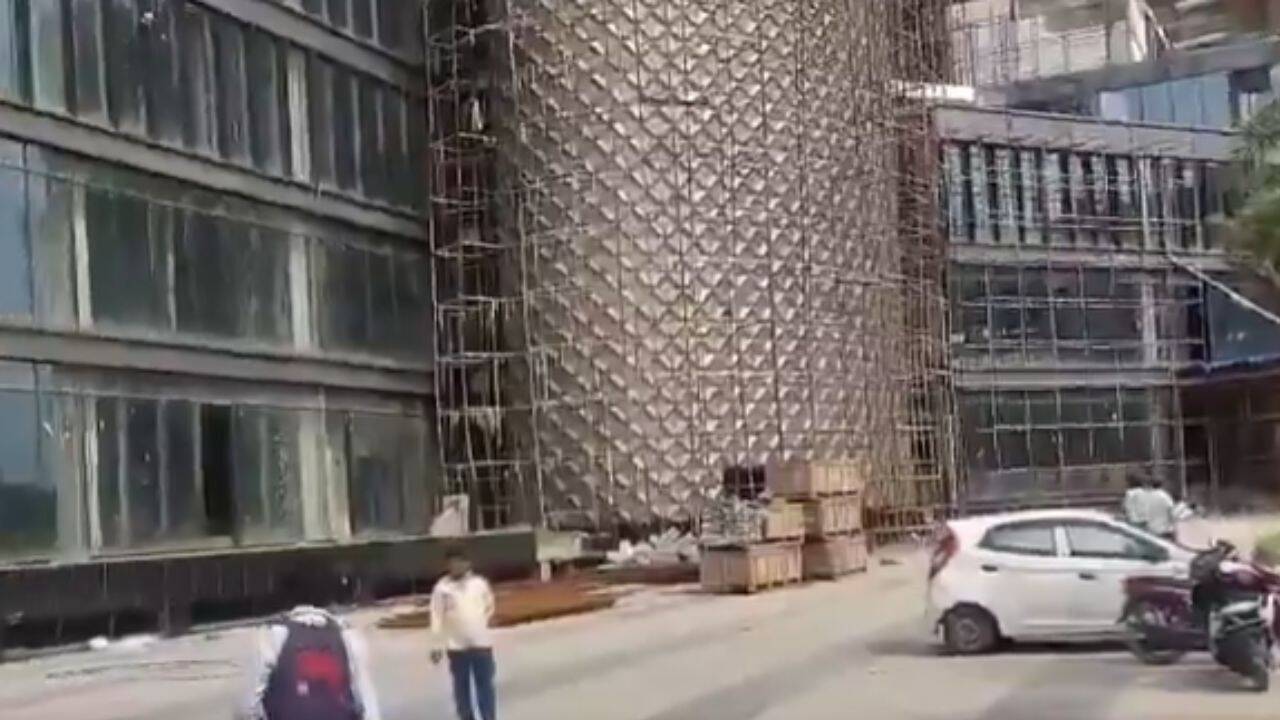
According to family testimonies, the perpetrator utilized a common but devastating tactic: luring the child with snacks. This method of grooming and abduction is frequently seen in child predatory crimes, where the innocence and trust of a young child are exploited. The choice of an under-construction mall as the site for the crime is particularly telling. Such sites often serve as 'security blind spots,' lacking active surveillance, permanent staffing, or restricted access, thereby providing criminals with a secluded environment to commit heinous acts without immediate detection.
Law Enforcement and Forensic Investigation
In the immediate aftermath of the discovery, the Ghaziabad police acted swiftly to secure the crime scene and detain several individuals for questioning. The investigation is currently in a critical phase, centering on the awaited autopsy report. Forensics will be paramount in this case, as DNA evidence from the victim's body and the crime scene will be necessary to definitively link the detained suspects to the assault. The rigor of the police interrogation and the precision of the medical examiner will determine the strength of the prosecution's case in the coming weeks.
The Legal Framework: POCSO and Justice
Cases of this nature in India are typically handled under the Protection of Children from Sexual Offences (POCSO) Act, 2012. This stringent legislation was designed specifically to address the unique vulnerabilities of children and provides for fast-track courts to ensure that justice is not delayed. Given the brutality of this specific event—combining kidnapping, sexual assault, and murder—the legal proceedings are likely to seek the maximum penalties available under the law to serve as a deterrent against similar future crimes.
Broader Societal Implications
This tragedy underscores a systemic failure in community vigilance and urban planning. The fact that a child could be lured away and taken to a construction site suggests a gap in the 'neighborhood watch' culture and a lack of oversight regarding the security of vacant or under-development properties. Historically, urban sprawl in regions like Ghaziabad has often outpaced the implementation of comprehensive safety infrastructure, leaving many areas prone to criminal activity.
Predicting Future Trends in Urban Safety
Following this event, there is likely to be an increased demand for stricter regulations regarding the security of under-construction buildings. We may see municipal authorities mandating 24/7 security guards and CCTV installation at all construction sites to prevent them from becoming havens for criminal activity. Furthermore, this incident will likely trigger a surge in community-led awareness campaigns focusing on educating children about 'stranger danger' and the risks of accepting gifts or food from unknown individuals.
Conclusion
The murder of a seven-year-old in Ghaziabad is a devastating loss that exposes deep-seated issues regarding child safety and urban security. While the police investigation proceeds and the legal system prepares to hold the perpetrators accountable, the event serves as a catalyst for a necessary conversation on how to better protect the most vulnerable members of society. Justice for the victim will require not only a conviction but a systemic shift in how cities manage their 'dark zones' and protect their children.