‘Enjoy the rain’, he told his brother; minutes later, Ghaziabad man electrocuted in park
Source Entity
Drishti Jain
Intelligence Synthesis
AI-Generated Core Insights
A 23-year-old man named Narendra Kacchi was tragically electrocuted in a Ghaziabad park shortly after telling his brother to enjoy the rain, highlighting the dangers of faulty urban electrical infrastructure during monsoons.
Tragedy in Ghaziabad: The Fatal Cost of Urban Infrastructure Failure
The sudden and tragic death of 23-year-old Narendra Kacchi in Ghaziabad serves as a harrowing reminder of the hidden dangers lurking within urban public spaces. The incident is marked by a poignant irony; Kacchi's final words to his elder brother, Kamlesh, were an invitation to "enjoy the rain," a sentiment of peace and appreciation for nature that turned into a nightmare within minutes. This event is not merely a freak accident but a symptom of systemic failures in municipal maintenance and electrical safety protocols during the monsoon season.
The Mechanics of a Monsoon Tragedy
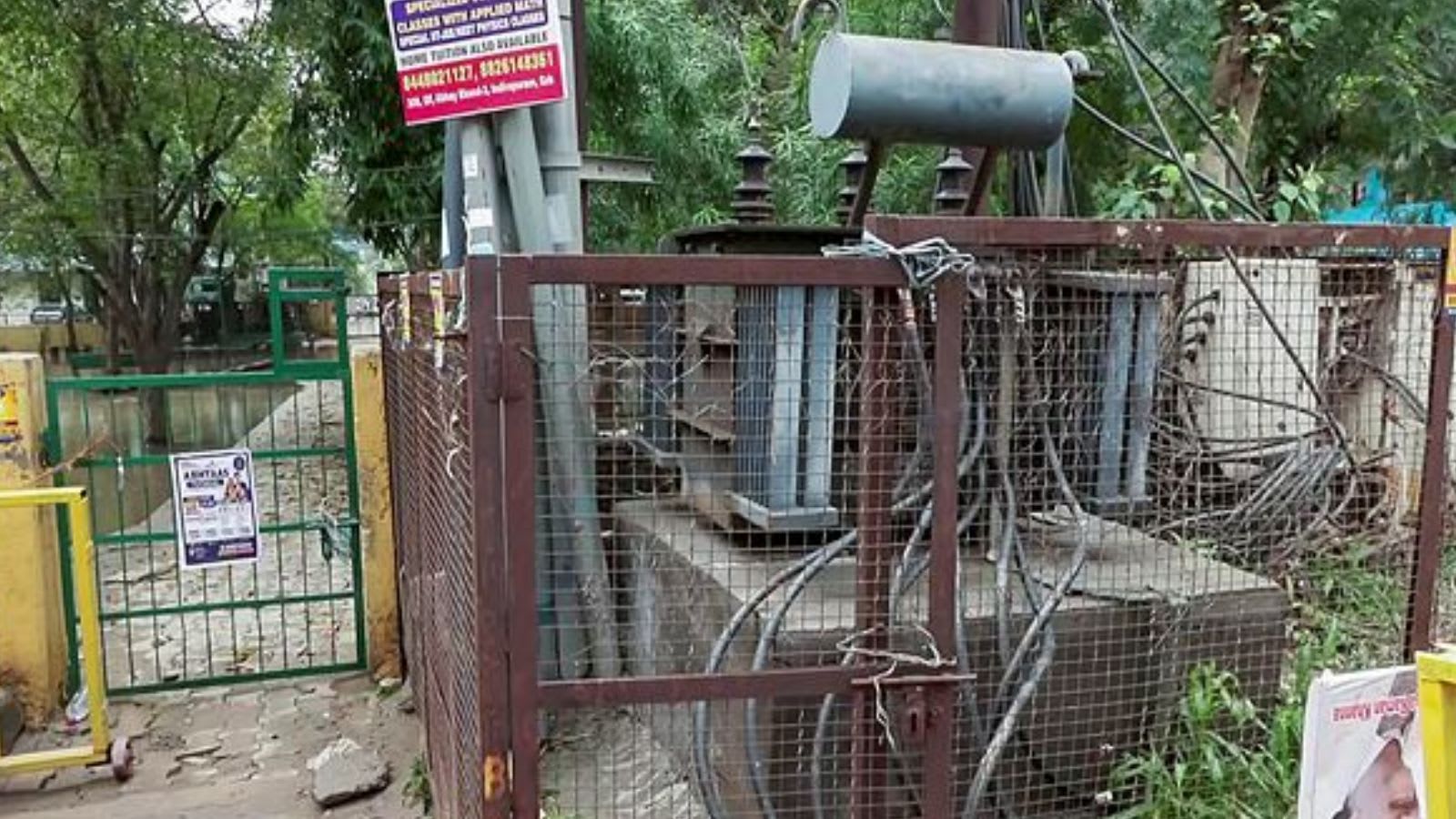
From a technical perspective, the electrocution of an individual in a public park during rainfall typically points to a catastrophic failure in electrical insulation. Rainwater, particularly when mixed with urban pollutants, becomes highly conductive. If a lamp post, an underground cable, or a junction box in the park had compromised insulation or exposed wiring, the water would create a conductive path between the live current and the ground. When Narendra Kacchi stepped into or touched a contaminated area, his body likely became the path of least resistance for the electrical current, leading to immediate cardiac arrest or respiratory failure.
Urban Infrastructure and Municipal Negligence
This incident highlights a broader, systemic issue prevalent in rapidly expanding urban centers like Ghaziabad. The pressure of urbanization often outpaces the maintenance of existing electrical grids. Public parks, while intended for recreation, frequently suffer from neglected electrical audits. The presence of aging cables and poorly sealed electrical housings makes these areas death traps during heavy rains. The tragedy suggests a failure in the local government's duty of care to ensure that public utilities are weather-proofed and regularly inspected to prevent leakage currents from entering public walkways.
The Human Toll and Psychological Impact
Beyond the technical and administrative failures, the human element of this story is devastating. The psychological trauma inflicted upon Kamlesh, the elder brother, is profound. Being the recipient of the victim's last words—words of joy and positivity—creates a specific type of grief characterized by a sharp, cruel contrast between the expected peace of a rainy day and the suddenness of a violent death. At 23, Narendra Kacchi was at the threshold of his adult life, and the senselessness of his death underscores the fragility of life when faced with preventable infrastructure hazards.
Historical Context of Monsoon Electrocutions
Historically, the monsoon season in Northern India has seen a spike in electrocution cases. From fallen power lines to "leaking" poles, the pattern is recurring. Despite various "Smart City" initiatives aimed at upgrading infrastructure, the "last mile" of safety—the actual physical state of poles and wires in neighborhood parks—often remains overlooked. This incident is part of a larger trend where the aesthetic improvement of cities (adding lights and parks) is not matched by a rigorous commitment to the invisible safety standards of electrical grounding and earthing.
Future Implications and Necessary Reforms
To prevent future occurrences of such tragedies, there must be a shift toward proactive rather than reactive maintenance. Municipalities should implement mandatory pre-monsoon electrical audits for all public parks, utilizing thermal imaging and insulation resistance testing to identify leaks before they become fatal. Furthermore, the installation of Residual Current Devices (RCDs) or Ground Fault Circuit Interrupters (GFCIs) in public lighting circuits could automatically shut off power the moment a leak is detected, potentially saving lives like Narendra Kacchi's.
Conclusion
The death of Narendra Kacchi is a heartbreaking event that exposes the lethal intersection of weather and neglected urban infrastructure. While the rain was meant to be enjoyed, it instead became a medium for a fatal current. This tragedy must serve as a catalyst for Ghaziabad and similar urban areas to prioritize the safety of their citizens over the mere existence of public amenities, ensuring that a walk in the park never again results in a fatal encounter with electricity.