'Slapped, dragged by hair': UP woman alleges assault; video shows attack as cop watches
Source Entity
PATHIKRIT CHAKRABORTY
Intelligence Synthesis
AI-Generated Core Insights
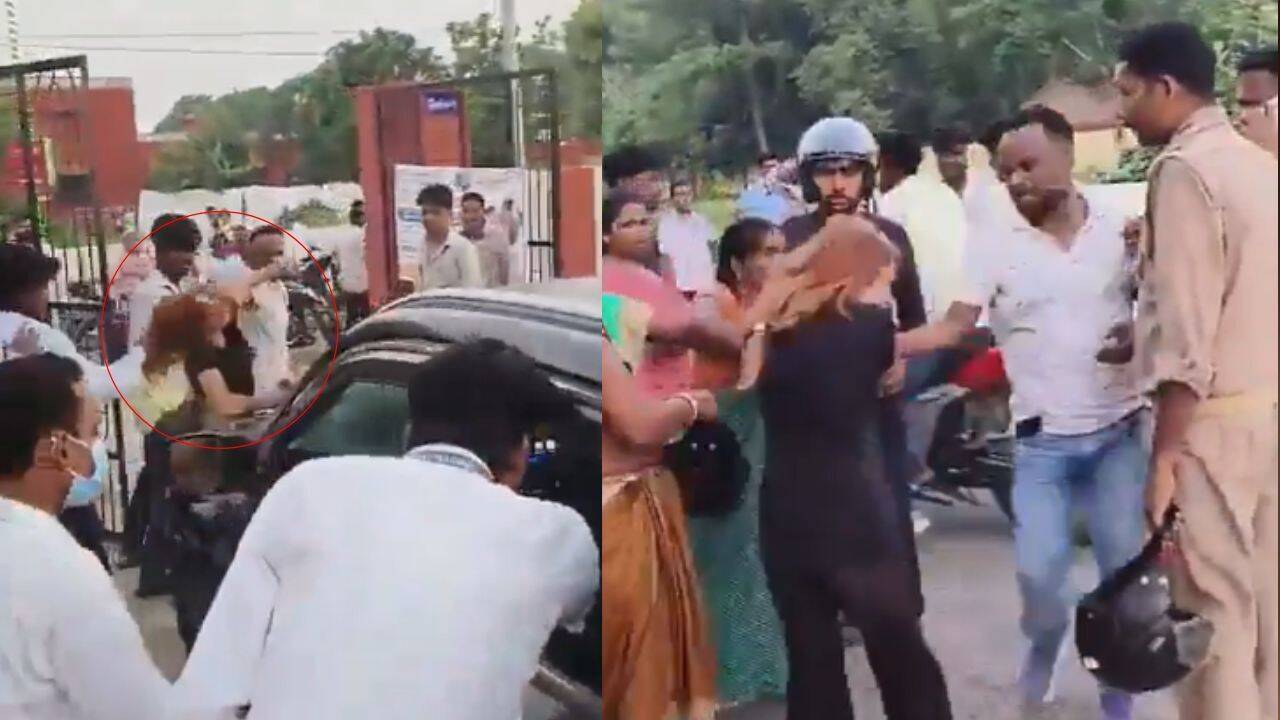
A woman in Gorakhpur, Uttar Pradesh, was violently assaulted and dragged by her hair following a minor road collision. Video evidence indicates a police officer was present and watched the attack without intervening. An FIR has been filed, and one suspect has been arrested.
Analysis of the Gorakhpur Road Rage Assault and Police Inaction
In a disturbing incident that has sparked outrage across social media and local communities, a woman in Gorakhpur, Uttar Pradesh, was subjected to a brutal physical assault following a minor road traffic collision. What began as a routine disagreement over a vehicular scrape escalated rapidly into a violent encounter, where the victim was allegedly slapped and dragged by her hair. The brutality of the attack was captured on video, providing an undeniable record of the violence and, more alarmingly, the apparent indifference of law enforcement present at the scene.
The Escalation of Road Rage in Urban Centers
This incident underscores a growing trend of extreme road rage in densely populated Indian cities. Minor collisions, which in many contexts would be resolved through insurance claims or simple apologies, are increasingly becoming catalysts for physical violence. The transition from a verbal argument to a physical assault involving multiple perpetrators suggests a volatile social environment where impulse control is low and the perceived cost of aggression is minimal. In this specific case, the group dynamics of the attackers likely emboldened them to target a woman, utilizing gender-based violence—such as dragging her by the hair—as a means of domination and humiliation.
The Crisis of Law Enforcement Accountability
Perhaps the most critical and condemning aspect of this event is the reported presence of a police officer who allegedly watched the assault unfold without intervening. The primary duty of a police officer is the protection of citizens and the prevention of crime; when an officer becomes a passive spectator to a violent crime, it represents a systemic failure of duty. This inaction not only endangered the victim but also sent a signal to the perpetrators that their actions were permissible. Such lapses in professionalism erode public trust in the state's ability to provide safety and suggest a need for urgent internal investigations into the conduct of the officers on duty during the incident.
Legal Ramifications and the Role of Digital Evidence
The registration of a First Information Report (FIR) and the subsequent arrest of one suspect indicate that the legal machinery has been activated, likely accelerated by the viral nature of the video evidence. In the modern era, smartphone footage acts as a 'digital witness,' making it nearly impossible for authorities to ignore crimes or for perpetrators to deny their involvement. The invocation of serious charges against the suspects reflects the gravity of the assault. However, the pursuit of the remaining suspects will be a key test of the local police department's commitment to justice, especially given the cloud of suspicion hanging over their own personnel.
Broader Societal Implications of Gender-Based Violence
This attack is not merely a case of road rage but also a manifestation of the precarious position women often find themselves in during public conflicts. The specific nature of the violence—targeting the hair and utilizing physical dragging—is a common trope in gender-based assaults intended to strip the victim of their dignity. This event highlights the ongoing struggle for women's safety in public spaces and the necessity for more stringent enforcement of laws protecting women from harassment and physical harm, regardless of the catalyst of the conflict.
Conclusion and Future Outlook
The Gorakhpur incident serves as a grim reminder of the intersection between urban frustration and institutional failure. Moving forward, this case will likely be viewed as a benchmark for how the Uttar Pradesh police handle internal accountability regarding officer negligence. To prevent future occurrences, there must be a dual focus: implementing stricter penalties for road rage to deter public violence, and establishing rigorous protocols for police intervention to ensure that no officer ever stands by while a citizen is assaulted. The resolution of this case will either reinforce the rule of law or further deepen the public's skepticism toward law enforcement responsiveness.