SUV used by Gurgaon shooters changed hands 3 times in 4 years: Police
Source Entity
Alok Singh
Intelligence Synthesis
AI-Generated Core Insights
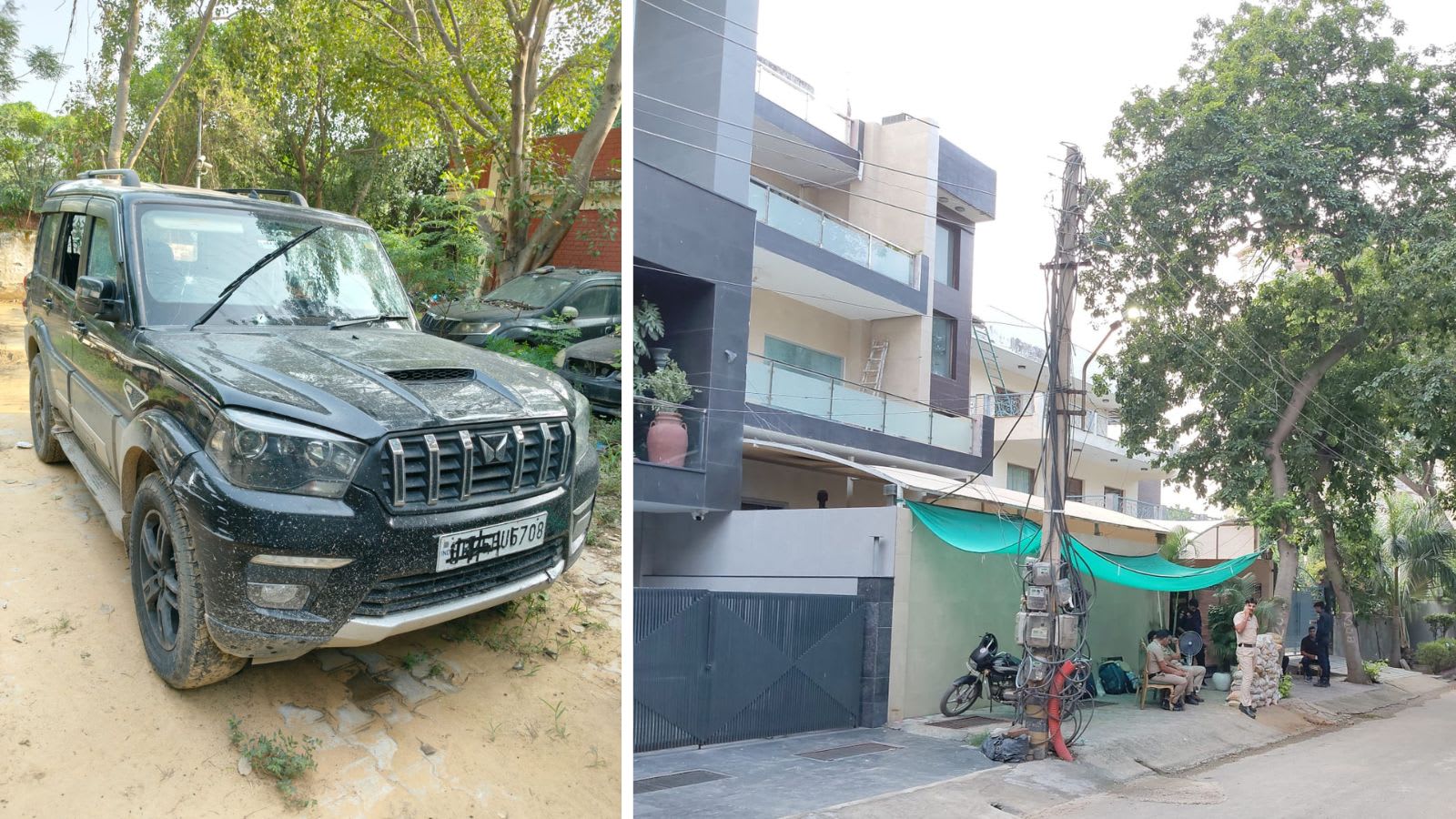
Gurgaon police are investigating a shooting at a businessman's residence in Sushant Lok Phase 2, revealing that the SUV used by the attackers had changed ownership three times in four years to obscure the criminals' identities.
Investigation Uncovers Tactical Vehicle Flipping in Gurgaon Shooting
An ongoing investigation by the Gurgaon police into a violent encounter at a businessman's residence in Sushant Lok Phase 2 has revealed a sophisticated attempt by the perpetrators to evade law enforcement. The central piece of evidence, an SUV used by the accused shooters, has a convoluted ownership history, having changed hands three times within a span of just four years. This discovery highlights a calculated effort to create a 'paper trail' of anonymity, making it significantly harder for investigators to link the vehicle directly to the shooters at the time of the crime.
The Strategy of 'Ghost' Vehicles
The use of frequently transferred vehicles is a known tactic in organized crime and targeted hits. By flipping the ownership of a vehicle through multiple intermediaries—often using 'straw buyers' or forged documentation—criminals ensure that the registered owner is not the actual operator. In the context of the Sushant Lok Phase 2 incident, this strategy was likely employed to decouple the shooters from the physical evidence of the getaway car. When police first identify a vehicle via CCTV or eyewitness accounts, the initial registered owner is often a dead end, leading investigators through a maze of previous owners before reaching the actual culprits.
Urban Crime Dynamics in Gurgaon
This incident underscores the volatile security landscape of Gurgaon, particularly in high-end residential areas like Sushant Lok. The targeting of a businessman's residence suggests a motive rooted in professional rivalry, extortion, or organized gang activity, which has seen a rise in the National Capital Region (NCR). The boldness of the attack—occurring at a private residence—indicates a level of reconnaissance and planning that mirrors the tactical use of the vehicle. The intersection of corporate wealth and organized crime in these hubs often leads to high-stakes violence that challenges local policing frameworks.
Law Enforcement and Forensic Challenges
For the Gurgaon police, tracing a vehicle that has changed hands three times in four years requires an intensive audit of Regional Transport Office (RTO) records and digital footprints. The investigation must now move beyond the vehicle's registration to analyze financial transactions and phone records associated with each owner. This case demonstrates the limitations of traditional registration systems in the face of deliberate obfuscation. It forces law enforcement to rely more heavily on forensic data and intelligence-led policing rather than relying solely on official government documentation.
Future Trends in Crime Prevention and Tracking
Looking forward, this event is likely to prompt calls for stricter regulations regarding the transfer of vehicle ownership in the NCR. We can predict a shift toward mandatory biometric verification for vehicle sales and the integration of real-time ownership databases that can be instantly flagged for suspicious patterns—such as multiple transfers in a short window. As criminals adapt their methods to stay invisible, the police will likely increase their reliance on AI-driven license plate recognition (ALPR) and integrated surveillance grids to track vehicle movements regardless of who the legal owner is.
Conclusion
The discovery of the SUV's ownership history is a pivotal turn in the Sushant Lok Phase 2 investigation. It reveals a level of premeditation that extends beyond the shooting itself to the very logistics of the escape. While the shooters attempted to hide behind a veil of bureaucratic transfers, the police's ability to reconstruct this timeline is a critical step toward bringing the perpetrators to justice and addressing the broader issue of organized crime in Gurgaon's affluent neighborhoods.