Boom to bust: Gurugram’s illegal PG business faces crackdown
Source Entity
India Latest News: Top National Headlines Today & Breaking News | The Hindu
Intelligence Synthesis
AI-Generated Core Insights
Authorities in Gurugram have launched a massive crackdown on illegal paying guest (PG) accommodations and unauthorized rental units in DLF residential colonies, forcing thousands of tenants to vacate and disrupting the local rental economy.
The Sudden Collapse of Gurugram's Shadow Rental Market
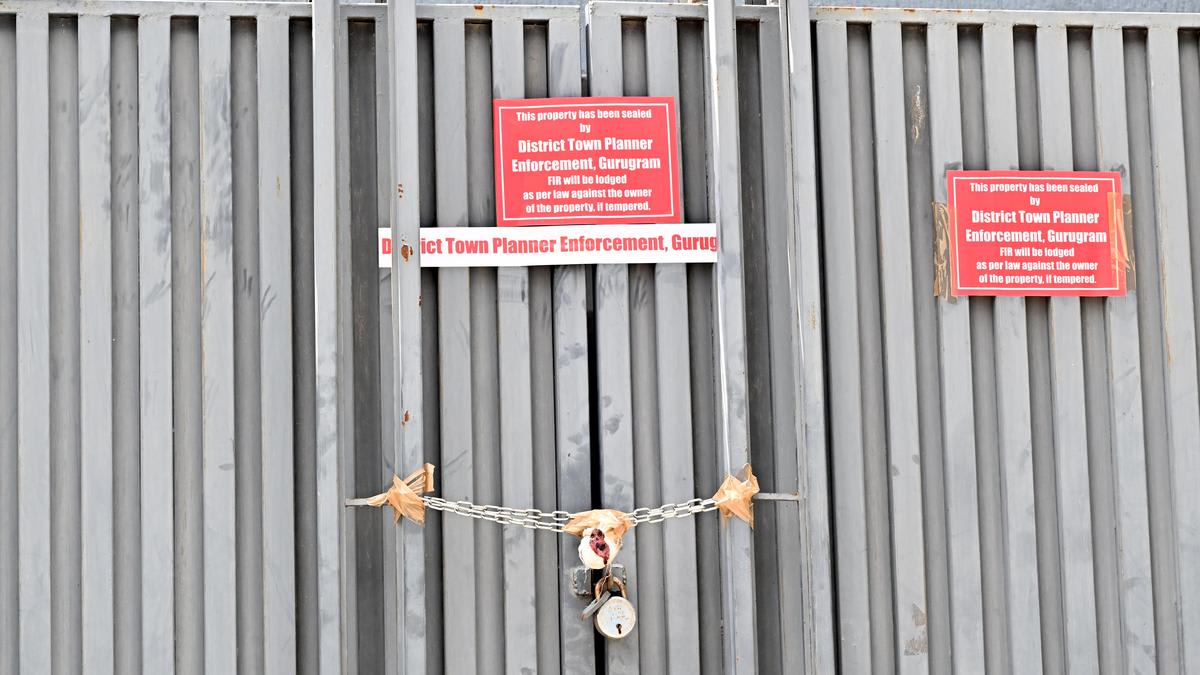
The recent enforcement drive by authorities in Gurugram marks a seismic shift in the city's urban landscape, specifically targeting the lucrative but unregulated paying guest (PG) and small-scale rental sectors. For years, the residential colonies within DLF have served as a massive, unofficial hub for the city's workforce. However, the recent sealing of properties has turned a period of unprecedented growth into a sudden and chaotic bust, leaving thousands of residents in a state of extreme vulnerability.
The Mechanics of the Crackdown
At the center of this crisis is the scrutiny of more than 5,000 properties that have allegedly been operating in violation of local zoning and planning laws. These properties—primarily converted 1BHK and 1RK units—were designed for single-family residential use but were instead repurposed into high-density commercial lodging. By bypassing official registration and safety protocols, these illegal PGs were able to offer lower costs, but they did so at the expense of urban planning integrity and resident safety. The sudden sealing of these units has effectively dismantled a massive, albeit unauthorized, economic ecosystem overnight.
Historical Context: The Demand-Supply Gap
To understand how such a widespread illegal industry could flourish, one must examine Gurugram's rapid transformation into a global corporate powerhouse. The massive influx of professionals into the region created an insatiable demand for flexible, affordable housing near major employment hubs. As formal housing prices skyrocketed and supply remained rigid, a 'shadow market' emerged to bridge the gap. Landlords exploited this demand by converting residential spaces into micro-apartments, creating a thriving rental economy that operated parallel to, but outside of, the city's legal framework.
The Human Cost of Rapid Enforcement
While the crackdown aims to restore urban order, the immediate human impact has been devastating. Many tenants, ranging from young professionals to small families, reported being forced to vacate their homes with little to no notice. This lack of a transition period has created a housing crisis within a crisis, as displaced individuals scramble for alternative accommodations in an already tight market. The suddenness of the evictions highlights a significant disconnect between regulatory enforcement and the social realities of the urban workforce that relies on these very accommodations.
Economic Implications and Market Realignment
From a business perspective, this crackdown signals the end of the 'easy profit' era for unauthorized landlords. The arbitrage between residential property values and commercial-grade rental yields is being forcefully closed. This disruption is likely to cause a significant reallocation of capital within the local real estate market. As the illegal PGs are removed from the equation, we may see a temporary spike in rental prices in the legal sector, followed by a long-term push toward more organized, corporate-led co-living models that can navigate the complexities of legal compliance.
Future Trends: Toward Regulated Urbanization
Moving forward, this event is likely to serve as a catalyst for more stringent urban management policies in the National Capital Region (NCR). We can predict an increase in periodic inspections and a potential legislative push to create formal 'mixed-use' zoning categories that allow for high-density rental housing within residential zones. Without such formalization, the tension between the need for affordable workforce housing and the necessity of maintaining residential zoning will continue to drive illegal activity.
Conclusion
In summary, the crackdown on illegal PGs in Gurugram's DLF colonies is a necessary, albeit disruptive, step toward reclaiming urban order. While the enforcement addresses critical planning violations, the social fallout underscores the urgent need for better-integrated urban planning. The transition from a lawless rental boom to a regulated market will be a complex journey, requiring a balance between strict enforcement and the practical housing needs of a growing metropolitan workforce.
Verification Required?