El-Nino, below normal monsoon pose risk for growth, inflation outlook in FY27: HDFC Bank MD
Source Entity
India Latest News: Top National Headlines Today & Breaking News | The Hindu
Intelligence Synthesis
AI-Generated Core Insights
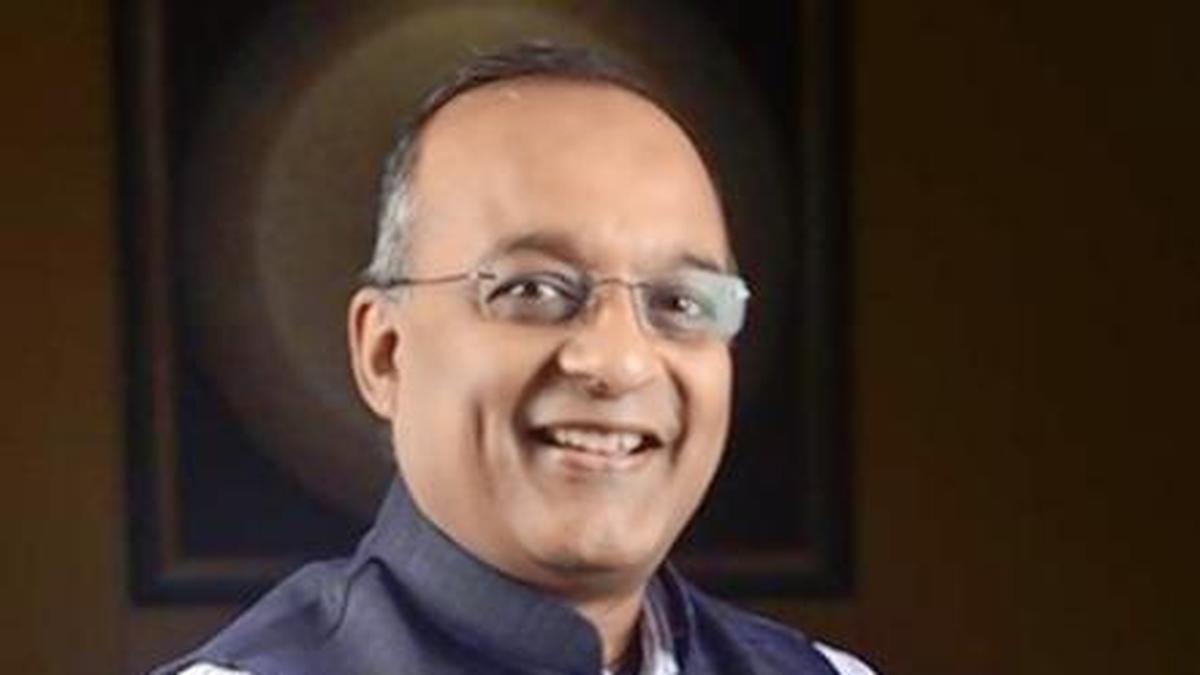
HDFC Bank MD Sashidhar Jagdishan has cautioned that a combination of El-Nino-induced monsoon deficits, geopolitical tensions, and global trade fragmentation could jeopardize growth and inflation targets by FY27, urging the banking sector to maintain prudent risk management.
Analysis of Economic Headwinds: HDFC Bank's Outlook for FY27
In a recent strategic assessment, Sashidhar Jagdishan, Managing Director of HDFC Bank, highlighted a complex array of macroeconomic risks that could adversely affect India's growth and inflation trajectory leading into the 2027 fiscal year (FY27). By identifying both domestic environmental factors and global systemic instabilities, Jagdishan is signaling a period of heightened uncertainty. This warning is particularly significant coming from the head of India's largest private sector bank, as HDFC Bank's internal risk assessments often mirror the broader health of the Indian credit market and consumer spending patterns.
The Critical Link Between El-Nino and Macroeconomic Stability
One of the primary concerns raised is the impact of El-Nino and the resulting below-normal monsoons. Historically, the Indian economy has maintained a deep-rooted dependence on the monsoon for its agricultural output. A deficit in rainfall typically leads to lower crop yields, which triggers a dual-pronged economic shock: first, a decline in rural income, which dampens demand for consumer goods and credit; and second, a spike in food inflation. Because food constitutes a significant portion of the Consumer Price Index (CPI) in India, El-Nino-induced shortages can force the Reserve Bank of India (RBI) to maintain higher interest rates to combat inflation, thereby increasing borrowing costs and potentially slowing overall GDP growth by FY27.
Global Trade Fragmentation and Geopolitical Tensions
Beyond environmental risks, Jagdishan pointed toward global trade fragmentation and geopolitical tensions as systemic threats. We are currently witnessing a shift from globalized efficiency to 'friend-shoring' and 'near-shoring,' where trade is dictated by political alliances rather than purely economic advantage. For a developing economy like India, this fragmentation can disrupt supply chains for essential imports, including semiconductors and energy. Geopolitical volatility—ranging from conflicts in Eastern Europe to tensions in the Middle East—creates unpredictable swings in commodity prices, particularly crude oil, which can widen the current account deficit and put downward pressure on the rupee.
External Financial Market Volatility and Banking Resilience
The mention of external financial market volatility refers to the instability in global bond markets and the fluctuating monetary policies of central banks like the US Federal Reserve. When global volatility rises, foreign institutional investors (FIIs) often pull capital out of emerging markets to seek safety in 'risk-off' assets. This capital flight can lead to liquidity crunches and increased volatility in the domestic equity and debt markets. For the banking sector, this volatility complicates the pricing of loans and the management of liability franchises, making it harder to maintain stable Net Interest Margins (NIMs).
The Imperative for Prudent Risk Management
In response to these threats, Jagdishan advocated for continued vigilance and prudent risk management. In the banking context, this implies a shift toward more conservative lending standards, higher provisioning for potential loan losses, and a more robust stress-testing framework. By urging the sector to remain prudent, the MD is suggesting that banks should not over-leverage during periods of apparent stability, as the lagged effects of monsoon deficits and trade disruptions may not fully materialize until closer to FY27. This proactive approach is designed to ensure that the financial system remains resilient even if growth slows or inflation remains stubbornly high.
Conclusion and Future Outlook
Ultimately, the outlook for FY27 is one of cautious navigation. While India remains a bright spot in global growth, the convergence of climatic instability (El-Nino) and structural global shifts (trade fragmentation) creates a precarious environment. If the predicted below-normal monsoons coincide with heightened geopolitical shocks, the economy may face a period of stagflation—slow growth coupled with high inflation. The ability of the banking sector to implement the 'prudent risk management' suggested by Jagdishan will be the deciding factor in whether India can absorb these shocks without a significant systemic crisis.
Verification Required?