Monsoon intensifies in Himachal Pradesh: Heavy rain damages roads, bridges, cuts off several areas
Source Entity
The Indian Express
Intelligence Synthesis
AI-Generated Core Insights
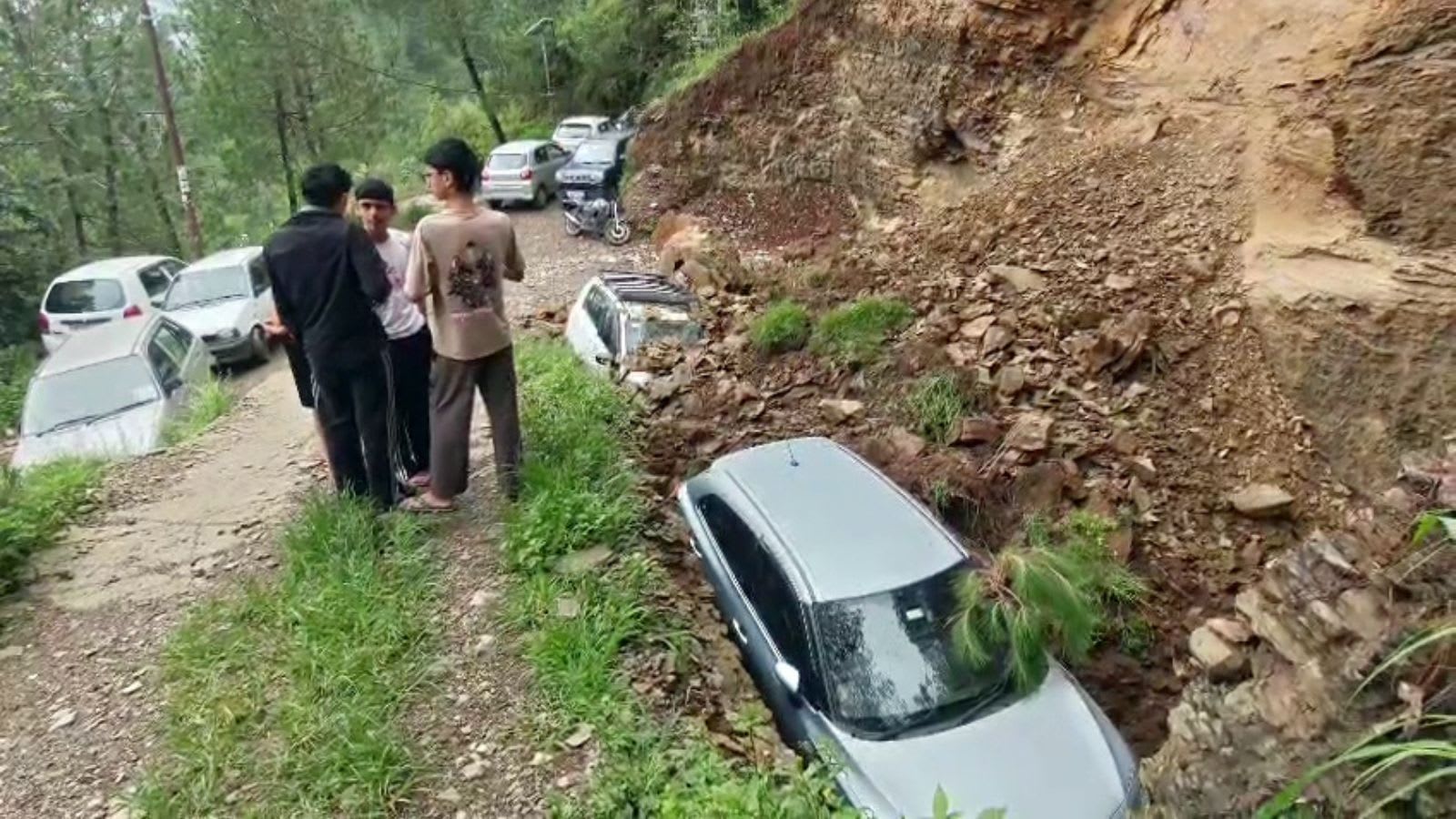
Intensifying monsoon rains in Himachal Pradesh have triggered widespread landslides and flash floods, resulting in significant damage to critical infrastructure, including the blockage of the Sangla-Chitkul road near Batseri.
Monsoon Devastation in Himachal Pradesh: A Crisis of Infrastructure and Nature
Himachal Pradesh is currently grappling with a severe escalation in monsoon activity, leading to a series of catastrophic landslides, flash floods, and structural failures across the state. The most recent reports highlight the critical blockage of the Sangla-Chitkul road near Batseri, where massive boulders and debris have rendered the route impassable. This event is not an isolated incident but part of a broader pattern of climatic volatility that routinely threatens the stability of the region's transport networks and the safety of its inhabitants.
The Immediate Impact: Isolation and Logistics
The blockage of the Sangla-Chitkul road is particularly concerning given the remote nature of the Kinnaur district. When primary arteries like these are severed, entire villages are effectively cut off from essential services, including emergency medical care and food supplies. The presence of large boulders suggests high-energy slope failures, which often require heavy machinery and significant time to clear. This isolation creates a ripple effect, stalling local commerce and disrupting the movement of essential goods, thereby exacerbating the vulnerability of mountain communities during the peak of the rainy season.
Geological Vulnerability of the Himalayas
To understand why Himachal Pradesh is so susceptible to these events, one must look at the geological composition of the young Himalayan range. The mountains are characterized by fragile shale and schist rocks that are prone to weathering. When intense monsoon rains saturate the soil, the pore-water pressure increases, reducing the friction that holds the slope together. This leads to the landslides observed near Batseri. The steep gradients of the Sangla-Chitkul route further accelerate the velocity of falling debris, turning manageable rain events into deadly flash floods and road-blocking disasters.
The Conflict Between Development and Ecology
Historically, the push for increased connectivity in the Himalayas has led to extensive road cutting and slope modification. While these roads are vital for tourism and defense, the method of construction—often involving vertical cutting of hillsides without adequate retaining walls or drainage systems—can destabilize the slopes. The current crisis underscores the tension between the need for modern infrastructure and the ecological limits of the terrain. The repeated failure of bridges and roads during every monsoon cycle suggests that current engineering standards may be insufficient for the increasing intensity of weather patterns in the region.
Climate Change and Future Trends
Looking forward, the frequency and intensity of these 'extreme weather events' are predicted to rise due to global climate change. The Indian Summer Monsoon is becoming more erratic, with shorter windows of rainfall delivering higher volumes of water. This 'cloudburst' phenomenon increases the likelihood of sudden, violent landslides. For Himachal Pradesh, this means that traditional road maintenance will no longer be enough. The state will likely need to transition toward 'climate-resilient infrastructure,' incorporating bio-engineering solutions (like planting specific vegetation to hold soil) and more sophisticated early-warning systems to predict slope failures before they occur.
Conclusion
The current monsoon havoc in Himachal Pradesh, exemplified by the devastation near Batseri, serves as a stark reminder of the fragility of mountain ecosystems. While immediate relief and road clearance are the priority, the long-term solution lies in a fundamental shift in how infrastructure is planned and executed in the Himalayas. Without a synergy between geological science and civil engineering, the region will remain trapped in a cycle of destruction and repair every year.