Roadmap to 2030: India, New Zealand seal 18 pacts across defence, trade and security
Source Entity
TOI NEWS DESK
Intelligence Synthesis
AI-Generated Core Insights
India and New Zealand have elevated their bilateral relationship to a strategic partnership, signing 18 comprehensive agreements across defense, trade, and security. The two nations have established a roadmap to 2030, which includes a target of 7 billion New Zealand dollars in bilateral trade and enhanced cooperation in maritime security and disaster management.
Strengthening the Indo-Pacific Axis: India and New Zealand's Strategic Leap
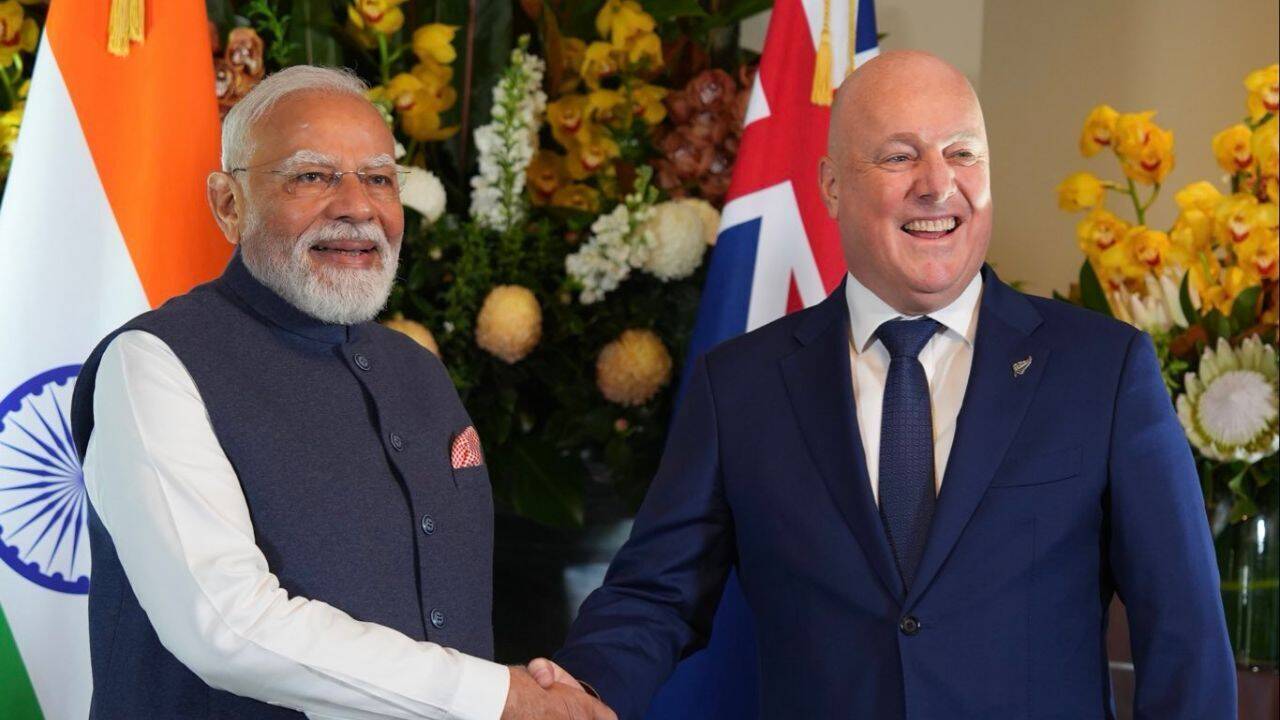
In a significant diplomatic milestone, India and New Zealand have formally elevated their bilateral relationship to a strategic partnership, signaling a new era of cooperation. The signing of eighteen distinct agreements by Prime Minister Narendra Modi and Prime Minister Christopher Luxon represents more than just a bureaucratic upgrade; it is a calculated alignment of interests between two democratic powers in the Indo-Pacific region. This roadmap to 2030 establishes a structured framework for collaboration, ensuring that the engagement is not merely transactional but institutionalized across defense, trade, and security.
Economic Ambitions and Trade Diversification
A central pillar of this new partnership is the ambitious economic target to increase bilateral trade to seven billion New Zealand dollars by 2030. For New Zealand, this represents a critical move toward diversifying its export markets and reducing over-reliance on traditional trading partners. For India, it opens doors to high-quality agricultural products, dairy, and specialized services from New Zealand. The focus on a long-term roadmap suggests that both nations are looking beyond immediate gains, aiming instead to build resilient supply chains that can withstand global economic volatility. This trade target will likely be supported by the eighteen pacts, which likely address regulatory hurdles and market access issues.
Maritime Security and Regional Stability
The emphasis on maritime security within the agreements underscores the growing geopolitical importance of the Indo-Pacific. Both India and New Zealand share a vested interest in maintaining a "free and open" maritime corridor, which is essential for global trade and security. By enhancing cooperation in this sector, the two nations are effectively coordinating their efforts to ensure the rule of law at sea. This alignment is particularly relevant as both countries navigate the complexities of regional power dynamics, seeking to balance their security architectures without compromising their sovereign interests.
Synergy in Disaster Management and Climate Resilience
Beyond hard security and economics, the commitment to disaster management highlights a shared vulnerability to climate-induced crises. Both India and New Zealand are prone to extreme weather events—ranging from cyclones and floods to seismic activity. By sharing expertise, technology, and best practices in emergency response and disaster risk reduction, the two nations are creating a blueprint for humanitarian cooperation. This collaborative approach not only saves lives but also strengthens the social fabric of the partnership, moving it from a purely political arrangement to one that provides tangible benefits to the citizens of both countries.
Geopolitical Implications and the 'Act East' Strategy
This strategic upgrade fits seamlessly into India's broader "Act East" policy, which seeks to deepen ties with partners in the Asia-Pacific to ensure regional stability. For New Zealand, strengthening ties with a rising global power like India provides a strategic hedge and expands its diplomatic footprint in South Asia. The eighteen pacts serve as a comprehensive toolkit for this engagement, covering a wide spectrum of cooperation that allows both nations to engage on multiple levels—from high-level security dialogues to grassroots trade initiatives.
Conclusion: A Vision for 2030
As we look toward 2030, the trajectory of India-New Zealand relations is poised for significant growth. The transition to a strategic partnership provides the necessary political will to transform these eighteen agreements into actionable results. If the trade targets are met and maritime cooperation deepens, this partnership will likely become a cornerstone of stability in the southern hemisphere. The roadmap established by PM Modi and PM Luxon ensures that the momentum gained from this summit is sustained, paving the way for a more integrated and secure Indo-Pacific future.