India, New Zealand upgrade their 'made for each other' ties
Source Entity
SACHIN PARASHAR
Intelligence Synthesis
AI-Generated Core Insights
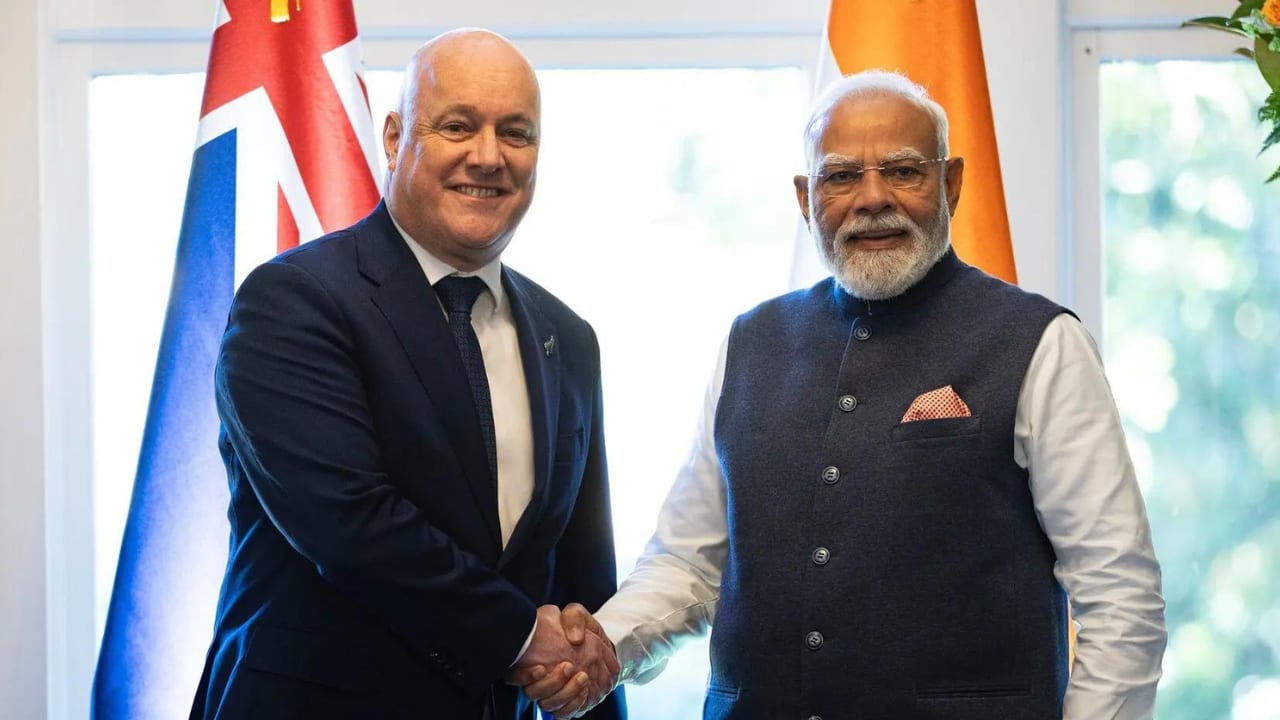
Prime Minister Narendra Modi and New Zealand Prime Minister Christopher Luxon have pledged to significantly strengthen bilateral relations, aiming to double bilateral trade to ₹35,000 crore within the next five years.
A New Era of Economic Synergy: India and New Zealand
The recent diplomatic engagement between Indian Prime Minister Narendra Modi and New Zealand Prime Minister Christopher Luxon marks a pivotal moment in the bilateral relationship between the two nations. Described by both leaders as "made for each other," the partnership is transitioning from a standard diplomatic acquaintance to a more robust strategic and economic alliance. This upgrade in ties signals a mutual recognition of the highly complementary nature of their respective economies and their shared interests in maintaining stability within the Indo-Pacific region.
The ₹35,000 Crore Ambition
At the heart of this upgraded relationship is a bold and specific economic commitment: the goal to double bilateral trade to ₹35,000 crore within a five-year timeframe. This ambitious target reflects a desire to move beyond traditional, limited trade patterns and tap into new, high-growth sectors. For India, this represents a strategic opportunity to secure high-quality agricultural imports and specialized technological expertise. For New Zealand, the target offers a gateway to one of the world's fastest-growing and most diverse consumer markets, providing a much-needed scale for its export-oriented economy.
Complementary Economic Strengths
The synergy between the two nations is rooted in their differing economic specializations. New Zealand possesses world-class expertise in dairy, horticulture, and sustainable agricultural practices—sectors that are increasingly vital for India's food security and its push toward modernizing agricultural supply chains. Conversely, India's burgeoning digital economy, massive services sector, and expanding manufacturing prowess provide New Zealand with a platform for technological innovation and large-scale industrial collaboration. This "hand-in-glove" relationship allows both nations to leverage their unique strengths to address global market demands.
Geopolitical Implications in the Indo-Pacific
Beyond the immediate economic gains, this strengthening of ties carries significant geopolitical weight. As both nations navigate the complexities of the Indo-Pacific landscape, fostering closer economic and diplomatic links provides an additional layer of regional stability. India's growing role as a major democratic and economic power, combined with New Zealand's commitment to a rules-based international order, creates a natural alignment. This partnership could lead to more coordinated efforts in maritime security, digital governance, and regional trade frameworks in the years to come.
Navigating Implementation Challenges
Achieving the ₹35,000 crore milestone will require more than just political rhetoric; it demands rigorous policy alignment and the active removal of trade barriers. Both governments will need to work closely on streamlining customs procedures, addressing regulatory discrepancies, and fostering an environment that is conducive to private sector investment. The success of this five-year roadmap will likely depend on the ability of businesses in both countries to navigate these institutional frameworks and the willingness of policymakers to facilitate smoother cross-border transactions.
Conclusion: A Roadmap for Prosperity
In summary, the upgraded relationship between India and New Zealand represents a strategic pivot toward deeper economic integration and mutual prosperity. By setting clear, measurable targets like the doubling of trade, both leaders have provided a tangible roadmap for their respective bureaucracies and private sectors to follow. If successfully executed, this partnership could serve as a premier model for how mid-sized and large economies can leverage their unique strengths to create a resilient, interconnected, and prosperous economic corridor.