New satellite images reveal Iran may be rebuilding nuclear facilities: Report
Source Entity
TOI WORLD DESK
Intelligence Synthesis
AI-Generated Core Insights
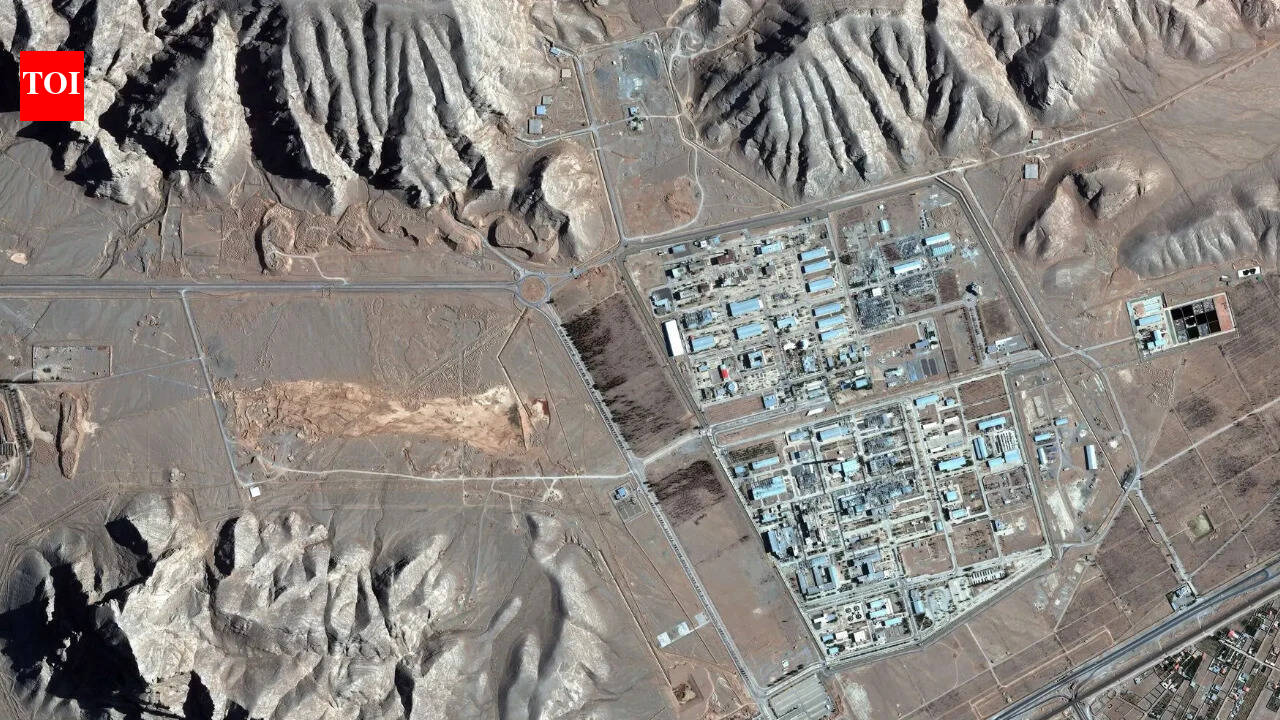
Satellite imagery from Vantor indicates that Iran is potentially rebuilding nuclear facilities and constructing tunnels at the Isfahan nuclear complex, raising global security concerns regarding nuclear proliferation.
Satellite Intelligence Reveals Potential Nuclear Reconstruction in Iran
Recent imagery provided by Vantor has surfaced, indicating that Iran may be engaging in the reconstruction of nuclear facilities at the Isfahan nuclear complex. Dated June 26, 2026, these images provide a critical glimpse into the physical changes occurring on the ground, suggesting a pivot back toward nuclear infrastructure development. This development comes at a time of heightened global scrutiny, where the transparency of Iran's nuclear intentions remains a central point of contention in international diplomacy and regional security.
The Strategic Significance of the Isfahan Complex
The Isfahan nuclear complex is not a random site; it is a cornerstone of Iran's nuclear capabilities, historically known for its role in uranium conversion. Any evidence of "rebuilding" suggests that previous damage—whether resulting from technical failures, sanctions-induced decay, or targeted covert operations—is being actively rectified. The act of reconstruction implies a strategic decision by the Iranian leadership to restore or enhance their capacity to process nuclear materials. This could potentially accelerate their timeline toward weaponization or a vastly expanded civilian energy program, both of which carry heavy geopolitical weight.
Analysis of Hardened Infrastructure and Tunneling
One of the most alarming aspects of the Vantor report is the mention of "adjacent tunnels." In the realm of nuclear proliferation, the construction of underground facilities is a clear indicator of "hardening." By moving critical infrastructure deep underground, Iran seeks to protect its assets from preemptive airstrikes, which have been a recurring threat from regional adversaries. The synergy between the surface complex and these tunnels suggests a sophisticated effort to ensure the continuity of nuclear operations regardless of external military pressure, making the site significantly harder to neutralize.
The Role of Open-Source Intelligence (OSINT)
This event highlights the growing importance of satellite imagery and Open-Source Intelligence (OSINT) in modern geopolitics. When official diplomatic channels are stalled or unreliable, high-resolution images from providers like Vantor serve as a factual baseline. This "eye in the sky" approach allows the international community and the International Atomic Energy Agency (IAEA) to verify or debunk claims made by state actors. The ability to pinpoint specific construction activity in Isfahan transforms abstract intelligence into actionable data, forcing a public accounting of activities that might otherwise remain secret.
Broader Geopolitical Implications
The potential rebuilding of these facilities likely triggers a ripple effect across the Middle East. For the IAEA, such developments represent a severe challenge to the framework of international nuclear monitoring. If Iran is rebuilding without international oversight or updated agreements, it signals a breakdown in trust and a possible move toward a "breakout" scenario. This could prompt neighboring states to reconsider their own nuclear postures, potentially sparking a regional arms race as nations seek a deterrent against a nuclear-capable Iran.
Future Trends and Strategic Outlook
Looking forward, we can expect an increase in diplomatic pressure and potentially tighter economic sanctions as a direct response to these images. The international community will likely demand immediate and unfettered access for IAEA inspectors to verify the nature of the rebuilding and the purpose of the tunnels. If Iran denies this access, the tension will likely escalate from diplomatic disagreement to a high-stakes security crisis. The global focus will remain on whether these facilities are intended for peaceful energy or a covert weapons program.
Conclusion
In summary, the Vantor satellite images provide a stark warning regarding the status of the Isfahan nuclear complex. The combination of surface reconstruction and the development of adjacent tunnels suggests a calculated move to safeguard and expand nuclear capabilities. As the world watches, the transparency of these activities and Iran's willingness to cooperate with international inspectors will determine whether the path leads toward a diplomatic resolution or an escalation of regional conflict.